🔔 Read us on Telegram — don’t miss the latest automotive news → t.me/motorhub_en
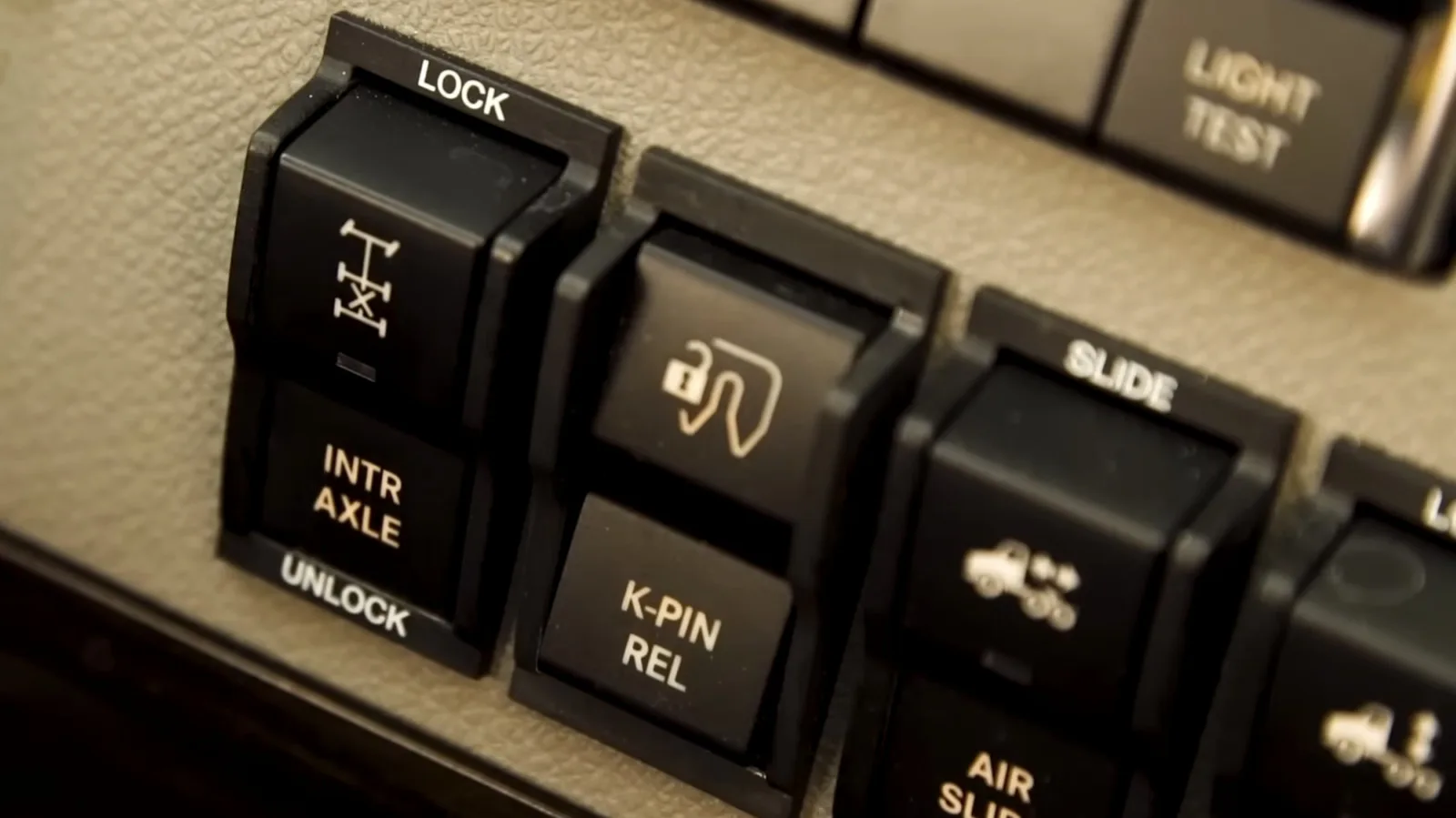
The “power divider” switch in a semi truck’s cab is one of those controls that looks mysterious to outsiders but is critical for traction in slippery or uneven conditions. Officially known as the inter-axle differential, it functions like a locking center differential in a 4×4 SUV—but instead of splitting power between front and rear axles, it manages the two rear drive axles in a tandem-axle semi truck. This allows the forward and rear drive axles to operate independently under normal conditions, distributing torque as needed.
When locked, the power divider forces both drive axles to rotate in unison, improving grip on snow, ice, mud, gravel, or uneven terrain such as docks or construction sites. In tri-drive trucks, the system becomes more complex, distributing power across three driven rear axles. Many trucks also include additional locking differentials (cross locks) for each driven axle, further enhancing traction.
However, engaging multiple diff locks increases drivetrain stress and makes the truck harder to steer, so they should only be used when necessary. The power divider is best activated before traction is lost, acting as a preventative measure. Before toggling the power divider switch, the truck must be stationary or traveling below 25 mph in a straight line.
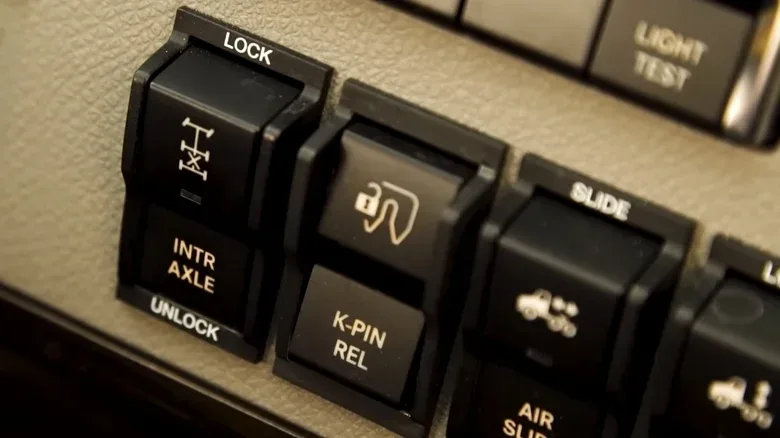
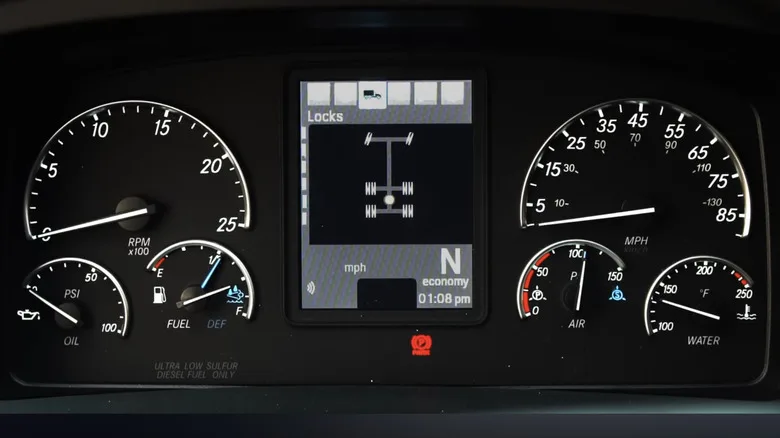
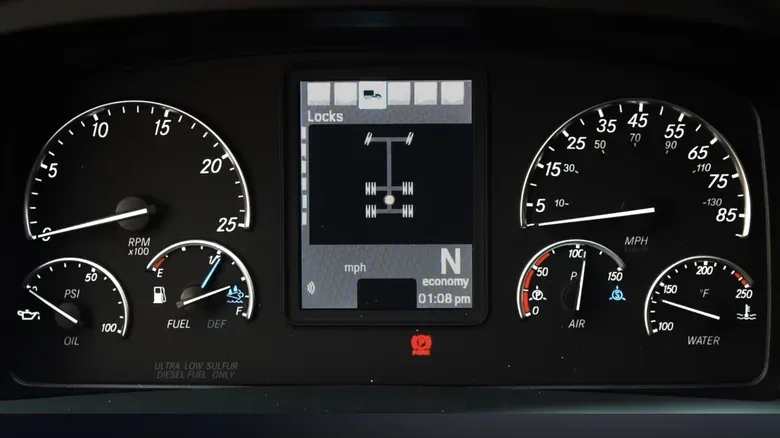
The process resembles locking a manual differential in a 4×4: lift off the accelerator, flip the switch, and allow a moment for engagement. Avoid engaging the power divider while wheels are spinning. The system’s status is usually indicated by a dashboard light or instrument cluster alert.
Once locked, maintain smooth throttle inputs and keep speed under 25 mph to prevent damage. To disengage, slow down, lift off the throttle, toggle the switch, and resume acceleration. While the core principle is consistent, the exact operation can vary by manufacturer, so drivers should consult the vehicle’s manual or seek guidance from a dealership if unsure.
📱 Follow our Telegram channel for daily updates
Source: Jalopnik (Auto Culture & Tuning) (jalopnik.com)