🔔 Read us on Telegram — don’t miss the latest automotive news → t.me/motorhub_en
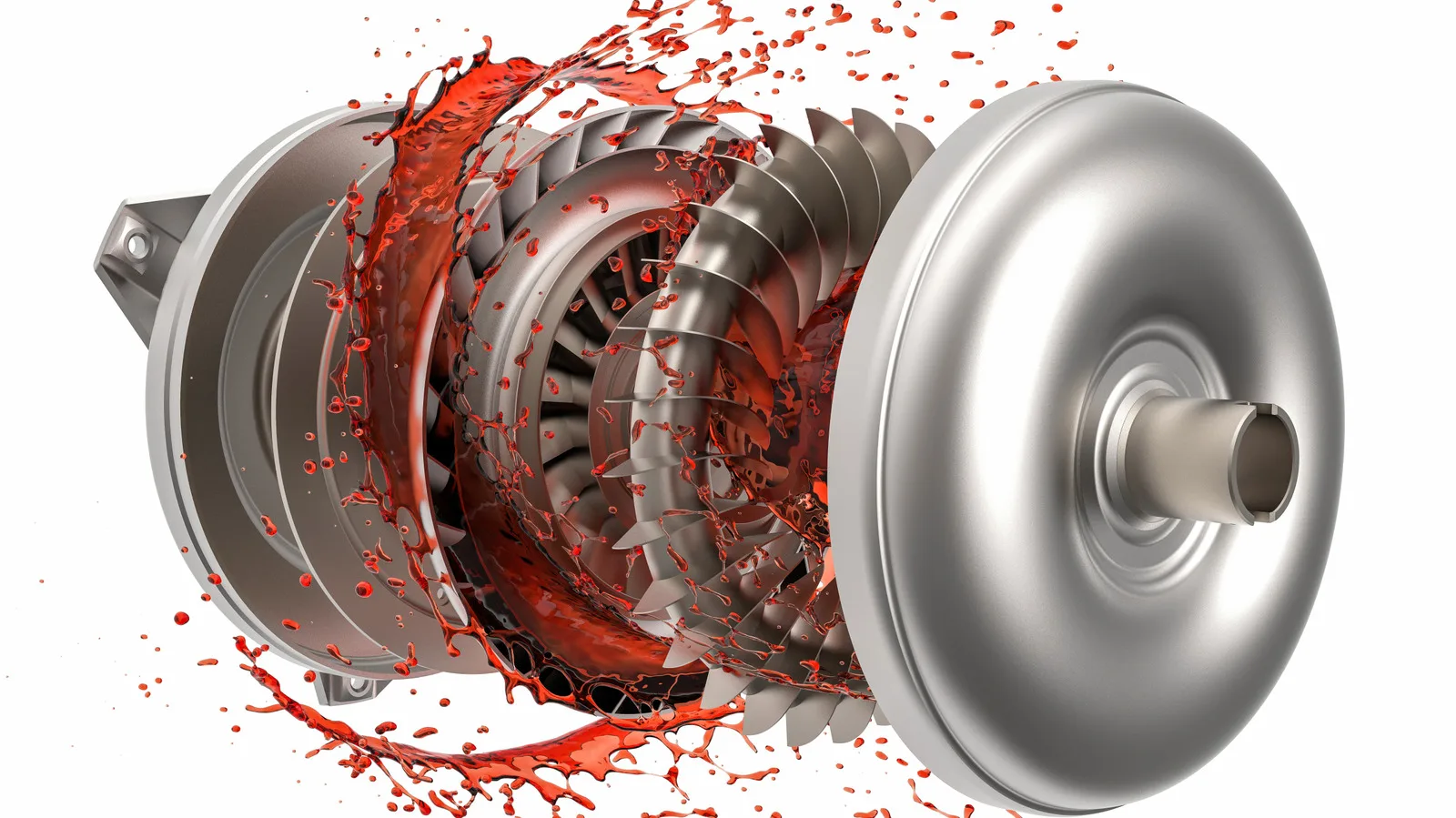
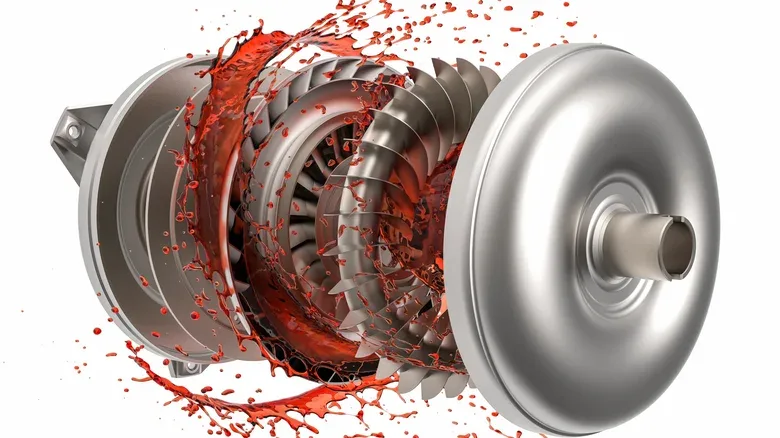
Torque converter shudder is a vibration or jerking sensation that stems from the torque converter—the hydraulic coupling between the engine and transmission—failing to smoothly transfer power. The shudder often feels like driving over rumble strips at steady speeds, typically between 25 and 50 mph, or during acceleration jerks, especially when the transmission shifts into overdrive. The root causes include a worn clutch inside the converter, degraded or contaminated automatic transmission fluid (ATF), or overheating that accelerates wear. Left unaddressed, shudder can escalate into costly transmission damage.
The simplest fix is often a fresh ATF and filter change, particularly if the fluid is old, contaminated, or the wrong type. Some GM eight-speed automatics, such as the 8L90 and 8L45, are notorious for using factory fluid that absorbs moisture, degrading clutch friction and leading to shudder. Upgrading to a high-quality synthetic ATF like Mobil 1 Synthetic LV ATF HP can resolve the issue. If the shudder persists, the torque converter clutch or the entire converter may need replacement—a labor-intensive job that involves removing the transmission, driving up repair costs.
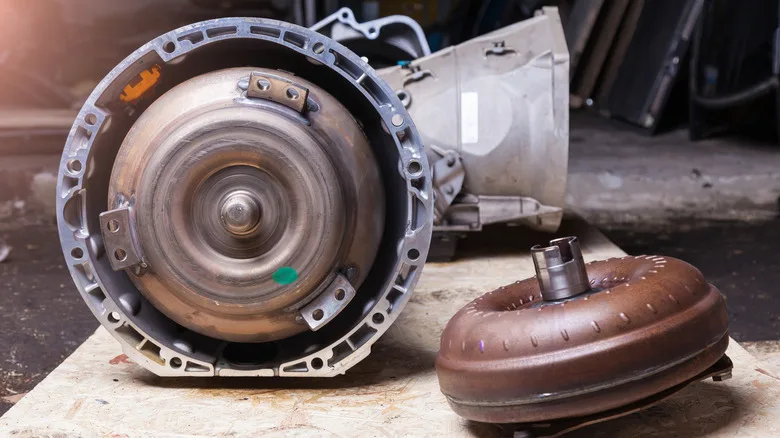
To prevent shudder, follow the manufacturer’s ATF service intervals and use premium, manufacturer-recommended fluid. For GM units, installing a transmission thermostat bypass ensures continuous fluid circulation to the cooler, reducing overheating risks. Dealers may also update the transmission control module for optimized performance. Ignoring shudder risks severe transmission damage, so addressing it early—whether through DIY fluid changes or professional repairs—is critical.
📱 Follow our Telegram channel for daily updates
Source: Jalopnik (Auto Culture & Tuning) (jalopnik.com)