🔔 Read us on Telegram — don’t miss the latest automotive news → t.me/motorhub_en
Tire pressure isn’t just a number on a sticker—it’s the invisible thread that ties a car’s engineering to real-world performance. Whether you’re piloting a supercar or a humble Corolla, the rubber meeting the road dictates grip, handling, fuel economy, and even how long your treads last. And there’s a simple, science-backed trick to check if your tires are dialed in just right: the 4 PSI rule. But is it foolproof?
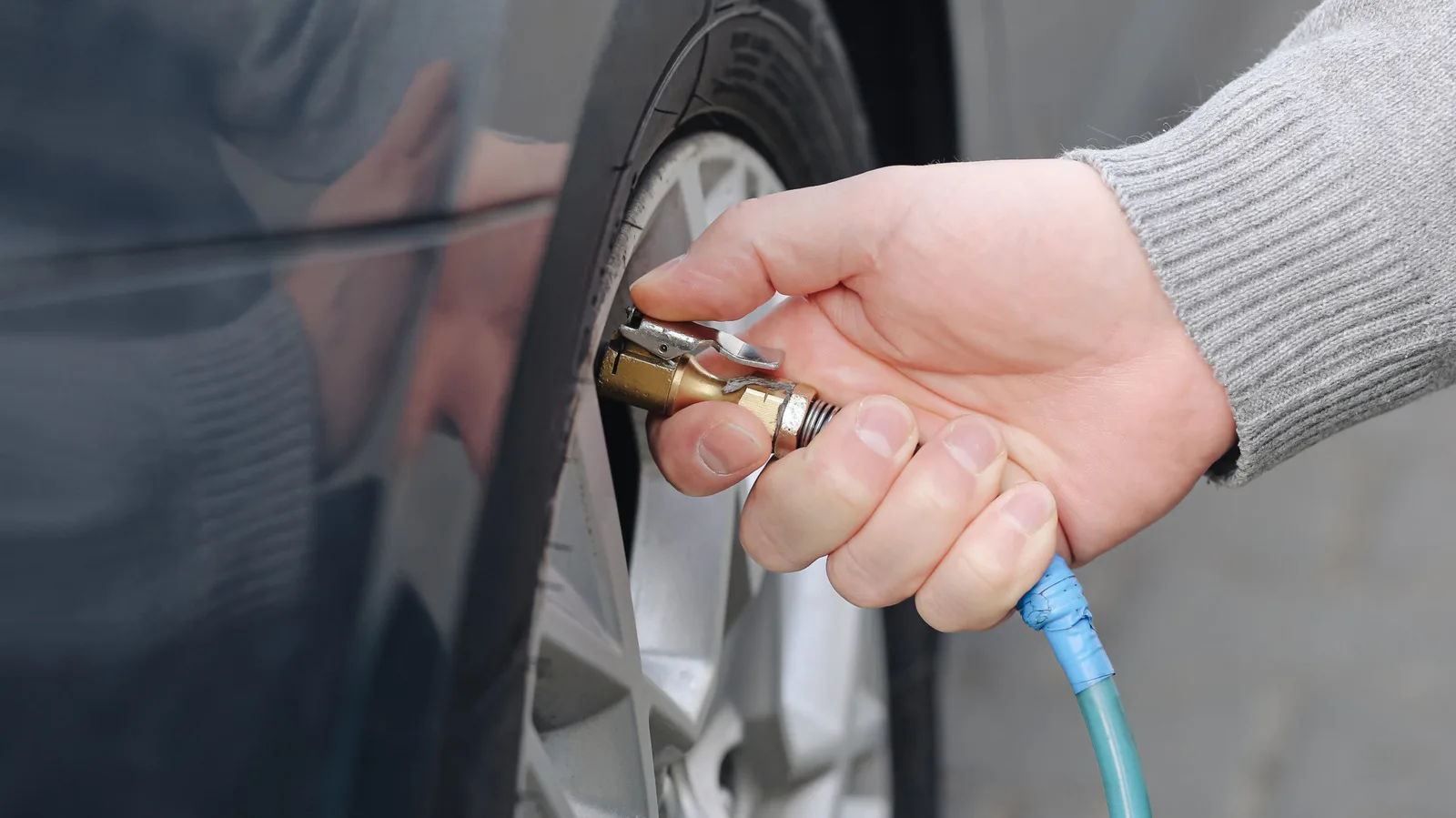
Here’s the breakdown. Always start with the manufacturer’s recommended PSI, found on the door jamb sticker—not the sidewall. That sticker number is the tire’s maximum safe pressure, not its ideal operating pressure. For example, if you fill your tires to 36 PSI before a highway run, drive for 30 minutes, then check again via your car’s infotainment screen or gauge cluster, a rise of about 4 PSI is normal.
That increase comes from heat building up inside the tire as its sidewall flexes with each rotation—a process engineers call hysteresis. The flexing creates friction, which turns into heat, warming the air inside and causing pressure to climb. A properly inflated tire heats up predictably, typically adding around 4 PSI after half an hour on the highway. But if your starting pressure was too low, the tire flexes more aggressively, generating extra heat and pushing pressure up by more than 4 PSI.

Conversely, an overinflated tire is already stiff and flexes less, so it heats up less and shows a smaller-than-expected pressure jump. This rule isn’t just anecdotal—Tire Rack recommends inflating 4 PSI above cold specs for speeds under 45 mph and up to 6 PSI for sustained highway driving. Priority Tire even suggests adding 4 PSI if you’re filling warm tires, since the heat will dissipate as the tire cools. Your car’s built-in TPMS sensors are generally reliable for this test, too.
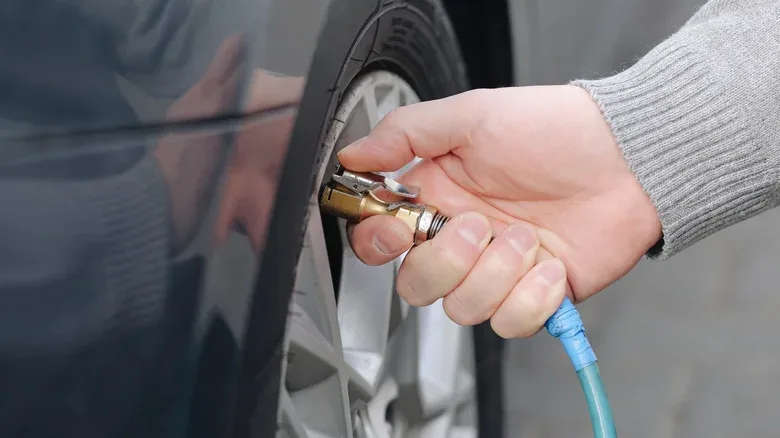
AAA’s 2023 evaluation of 11 vehicles found most systems displayed pressure within about 1 PSI of the actual value. But the 4 PSI rule has clear limits. It assumes steady highway speeds on smooth pavement—so it falls apart when you’re intentionally running low pressures, like off-roading. On sand, drivers often drop to 12 PSI; mud sees around 18 PSI; snow, 20 PSI; and rough gravel, 25 PSI.
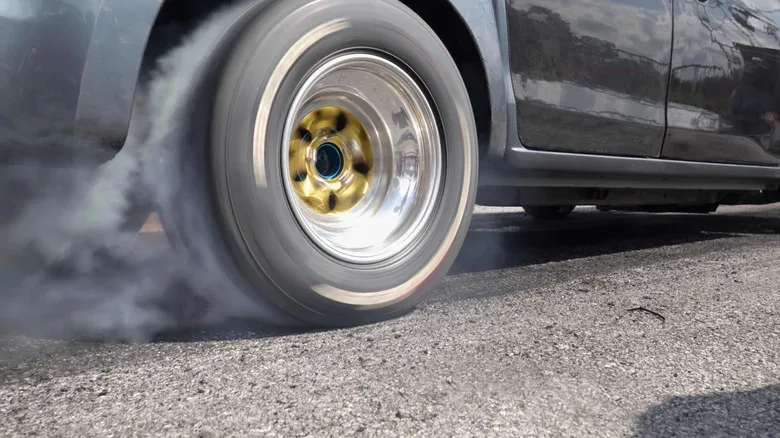
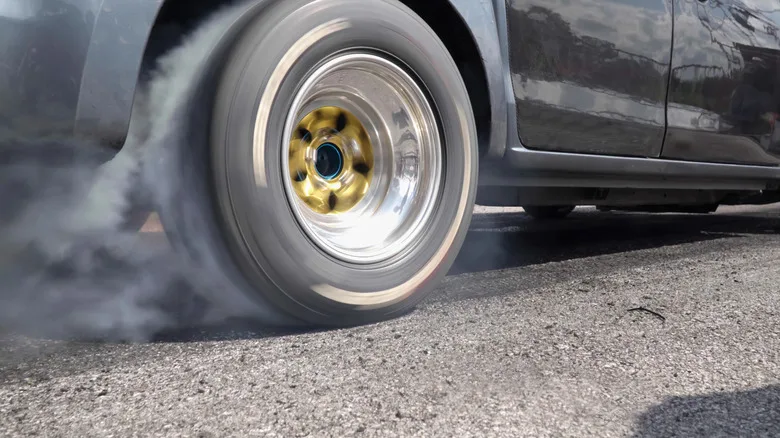
Those pressures are far below the rule’s intended operating window. Tire type matters just as much as terrain. Pirelli’s typical street tire pressure window is 28 to 36 PSI, but drag slicks run the opposite way—soft and flexible, often between 4 and 12 PSI depending on conditions. At those ultra-low pressures, a 4 PSI change isn’t a minor correction; it’s a massive swing relative to the tire’s total range.

The rule also stumbles with mud and all-terrain tires, even on pavement. Their chunky tread patterns with high void ratios mean less rubber touches the road, changing how heat is shed and pressure behaves. So while the 4 PSI rule is a handy real-world check for street tires under normal driving, it’s not a universal law. Use it as a guide—but always prioritize the manufacturer’s cold pressure spec.
📱 Follow our Telegram channel for daily updates
Source: Jalopnik (Auto Culture & Tuning) (jalopnik.com)