🔔 Read us on Telegram — don’t miss the latest automotive news → t.me/motorhub_en
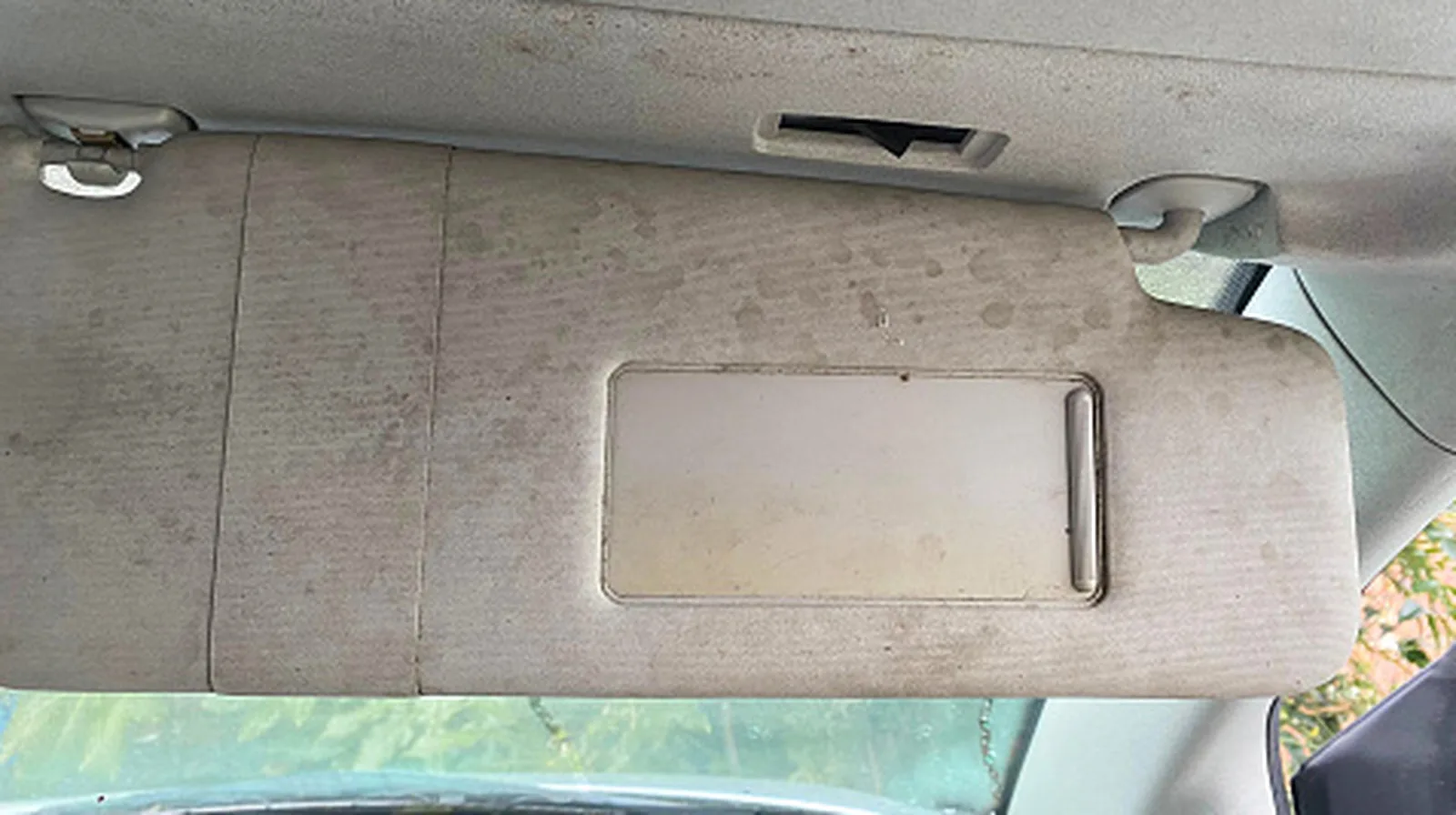
Mold thrives in your car’s cabin just as easily as it does in your home, feeding on moisture, warmth, and organic debris like dead skin cells, pet hair, and spilled drinks. The microscopic spores can’t be seen until they form visible colonies—whitish, greenish, or blackish patches on dashboards, seats, door panels, ceilings, or carpets—but they announce their presence long before that.
The first red flag is a musty, earthy odor that intensifies when you switch on the A/C, reminiscent of a wet shirt or sweaty sneakers left in the trunk. If the smell doesn’t tip you off, persistent sneezing, coughing, wheezing, sinus infections, skin rashes, or eye irritation—especially when you’re inside the car—should.
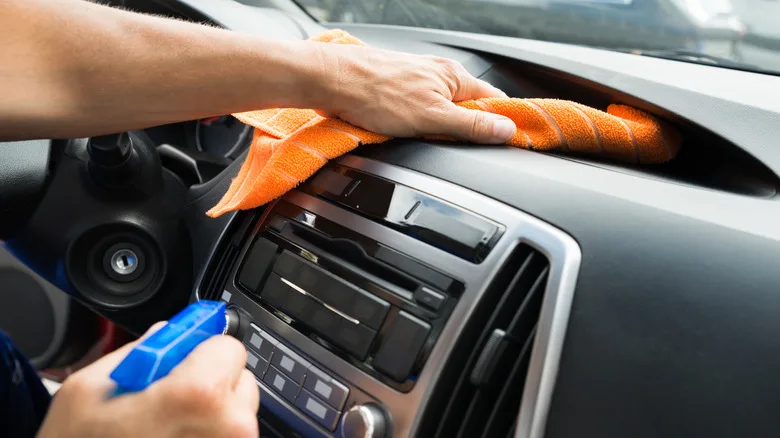
The CDC warns that indoor mold exposure can trigger upper respiratory infections in healthy adults and even contribute to asthma in children. Prevention starts with eliminating excess moisture and organic matter.
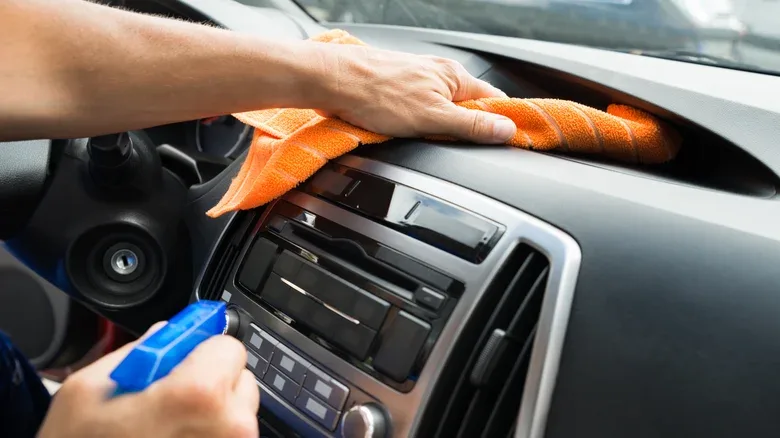
Regular vacuuming and wiping down carpets, seats, and interior surfaces starve mold spores of their food source. Spills must be cleaned and dried immediately; letting liquids soak into fabric allows mold to take root faster.
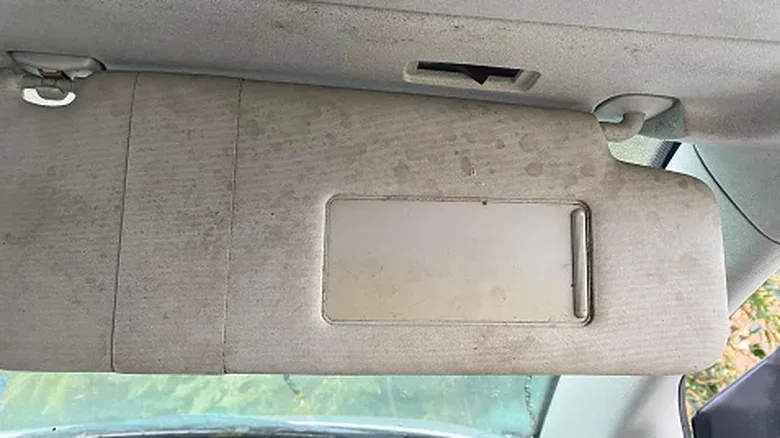
Use an anti-mold cleaner like Concrobium Mold Control for visible stains, spraying directly, letting it soak briefly, then wiping with a damp microfiber towel. The musty A/C smell signals mold in the system—replace the cabin air filter first; if the odor persists, have the A/C professionally serviced.
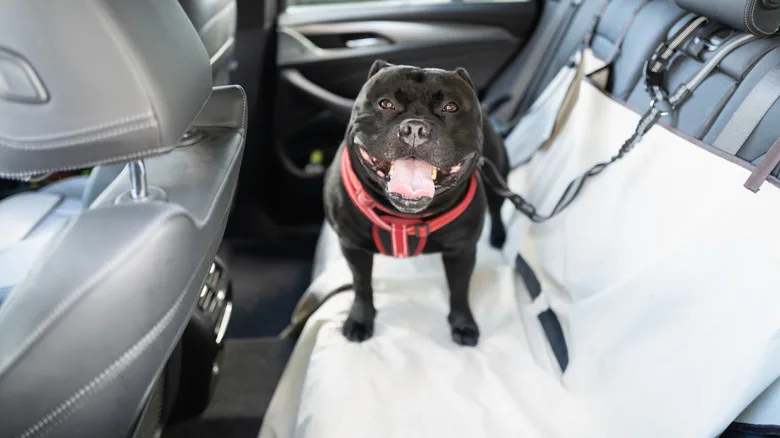
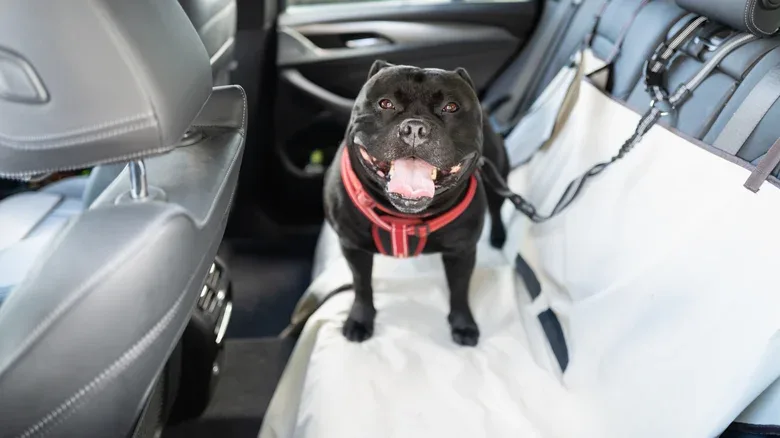
Beyond cleaning, seat covers and rubberized floor liners cut off mold’s food supply. Seat covers protect factory upholstery from spills, scratches, and pet mess, while waterproof liners trap moisture, mud, and snow, preventing wet carpets where spores thrive.
Vehicles used for school runs, drive-throughs, or pet transport are prime candidates for these defenses.
📱 Follow our Telegram channel for daily updates
Source: Jalopnik (Auto Culture & Tuning) (jalopnik.com)