
🔔 Read us on Telegram — don’t miss the latest automotive news → t.me/motorhub_en
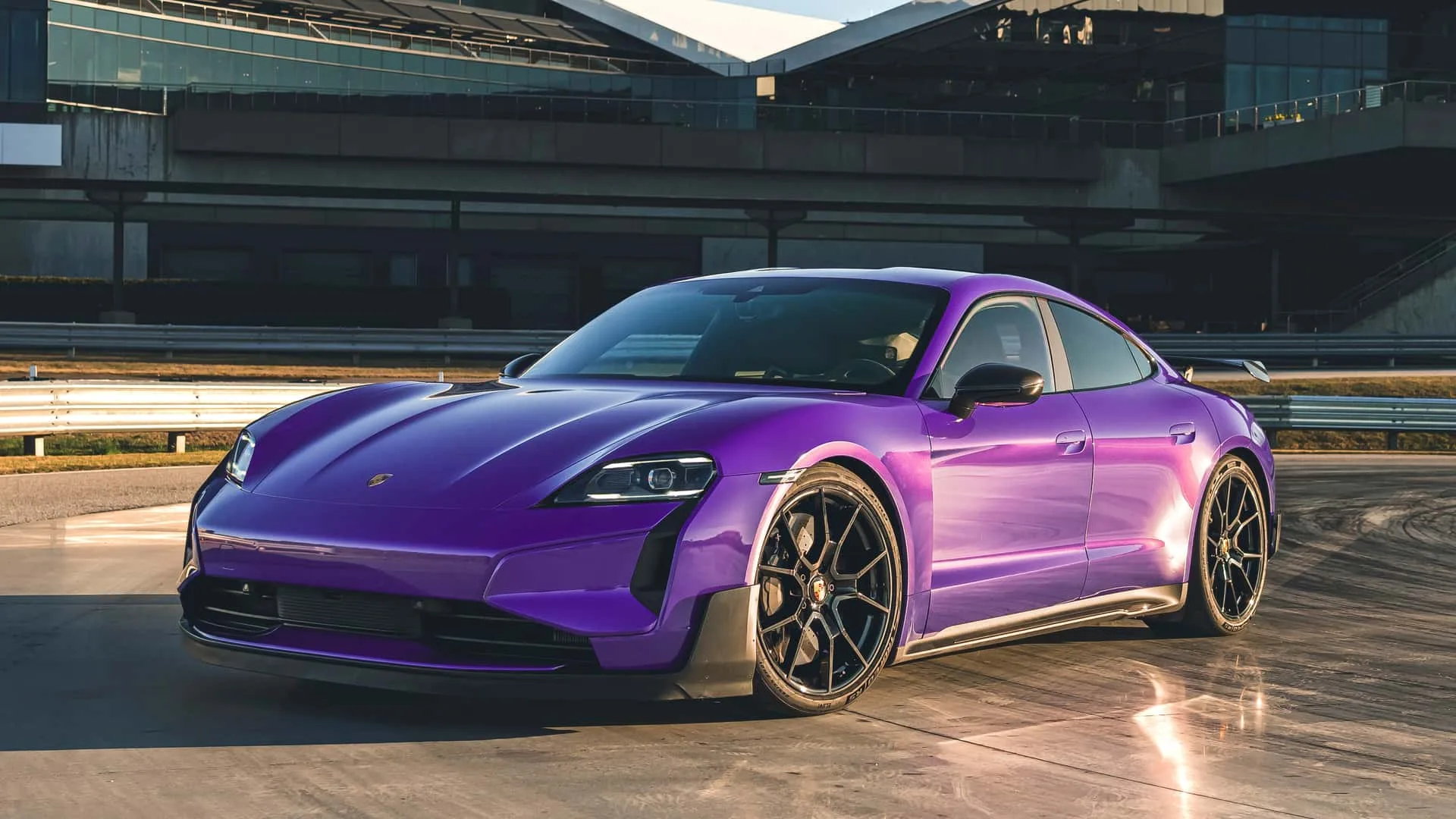
Porsche CEO Michael Leiters has conceded that the launch timing of the brand’s first electric car, the Taycan, was premature. Speaking at a panel organized by German magazine Auto Motor und Sport, Leiters reflected that Porsche may have been “too quick to embrace electric mobility,” suggesting the market wasn’t ready for the Taycan when it debuted in late 2019. The Taycan was previewed by the Mission E concept in 2015 at the Frankfurt Motor Show, with the production version arriving four years later at the same event. Despite Porsche’s self-proclaimed status as a “pioneer in e-mobility,” sales of the Taycan have struggled in recent years. The brand’s electric sedan saw deliveries drop 19% in the first quarter of 2025 to just 3,420 units, continuing a downward trend that has persisted since 2022. The electric Macan, by contrast, has fared better, with 8,079 units delivered in the first three months of 2025, though the gasoline-powered Macan remains more popular at 10,130 units—despite no longer being sold in Europe since mid-2024 due to non-compliance with an EU cybersecurity regulation. Porsche is doubling down on its EV strategy, with electric versions of the Boxster and Cayman still planned, and hybrid powertrains remaining a core part of its lineup. The brand’s three-row SUV, slated to sit above the Cayenne, will launch first with combustion and hybrid options, though EV variants are still part of the roadmap. Leiters also confirmed that gasoline engines and hybrids will remain in production for the foreseeable future, with the Panamera, Cayenne, and 718 sports car duo all retaining internal combustion or hybrid powertrains well into the 2030s. The 911 will continue with hybrid technology, but Porsche has ruled out a full EV version, opting instead for cleaner combustion engines to meet tightening emissions standards. This shift marks a significant departure from Porsche’s earlier ambitions, which once projected EVs would account for over 80% of its annual sales by the end of the decade. In 2024, purely electric vehicles made up just 22.2% of Porsche’s total sales, prompting the brand to abandon that aggressive target. The Taycan’s sales trajectory reflects broader challenges in the EV market, where consumer demand has not matched Porsche’s early optimism.
📱 Follow our Telegram channel for daily updates
Source: Motor1