🔔 Read us on Telegram — don’t miss the latest automotive news → t.me/motorhub_en
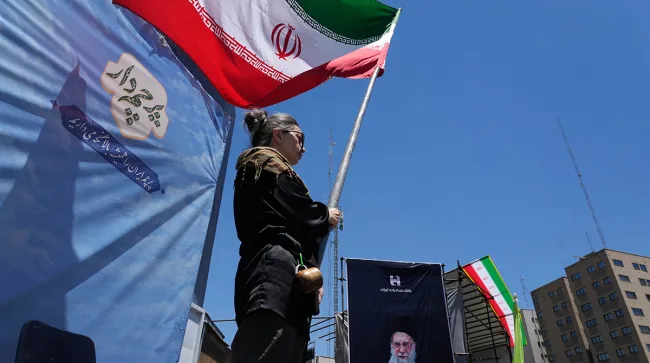
The United States and Iran are set to sign an interim agreement in Switzerland on June 19, 2026, aimed at ending hostilities and reopening the Strait of Hormuz, a critical chokepoint for global oil and natural gas shipments. According to leaked drafts of the accord, Iran would be permitted to sell its oil freely and receive at least $300 billion for post-war reconstruction in exchange for halting nuclear weapons development and restarting nuclear negotiations within a 60-day window. The deal also includes a ceasefire in Lebanon between Israel and the Iranian-backed militia Hezbollah, though details on Israeli withdrawal remain unspecified. The U.S. would work toward lifting all sanctions imposed on Iran, contingent on progress in nuclear talks, while Iran has reiterated its commitment to never produce a nuclear weapon. White House officials disputed the leaked text, stating it does not reflect the actual agreement, and emphasized that further negotiations would determine the specifics of sanctions relief and nuclear limits. The interim deal stops short of several goals previously cited by U.S. President Donald Trump, including ending Iran’s missile program and support for proxy groups, but Trump described it as “very strong” and warned of immediate military action if Iran fails to comply. The agreement has drawn criticism in Washington and poses a political challenge for Israeli Prime Minister Benjamin Netanyahu, whose stance on the conflict has faced growing domestic backlash. The draft terms were reportedly corroborated by officials in the Middle East and matched versions published by Saudi-owned Al Arabiya and Bloomberg, though no official versions have been released by either the U.S. or Iran. The White House has not published the terms and did not immediately respond to requests for comment.
📱 Follow our Telegram channel for daily updates
Source: Transport Topics — Michelin & Tires (EN) (ttnews.com)