🔔 Read us on Telegram — don’t miss the latest automotive news → t.me/motorhub_en
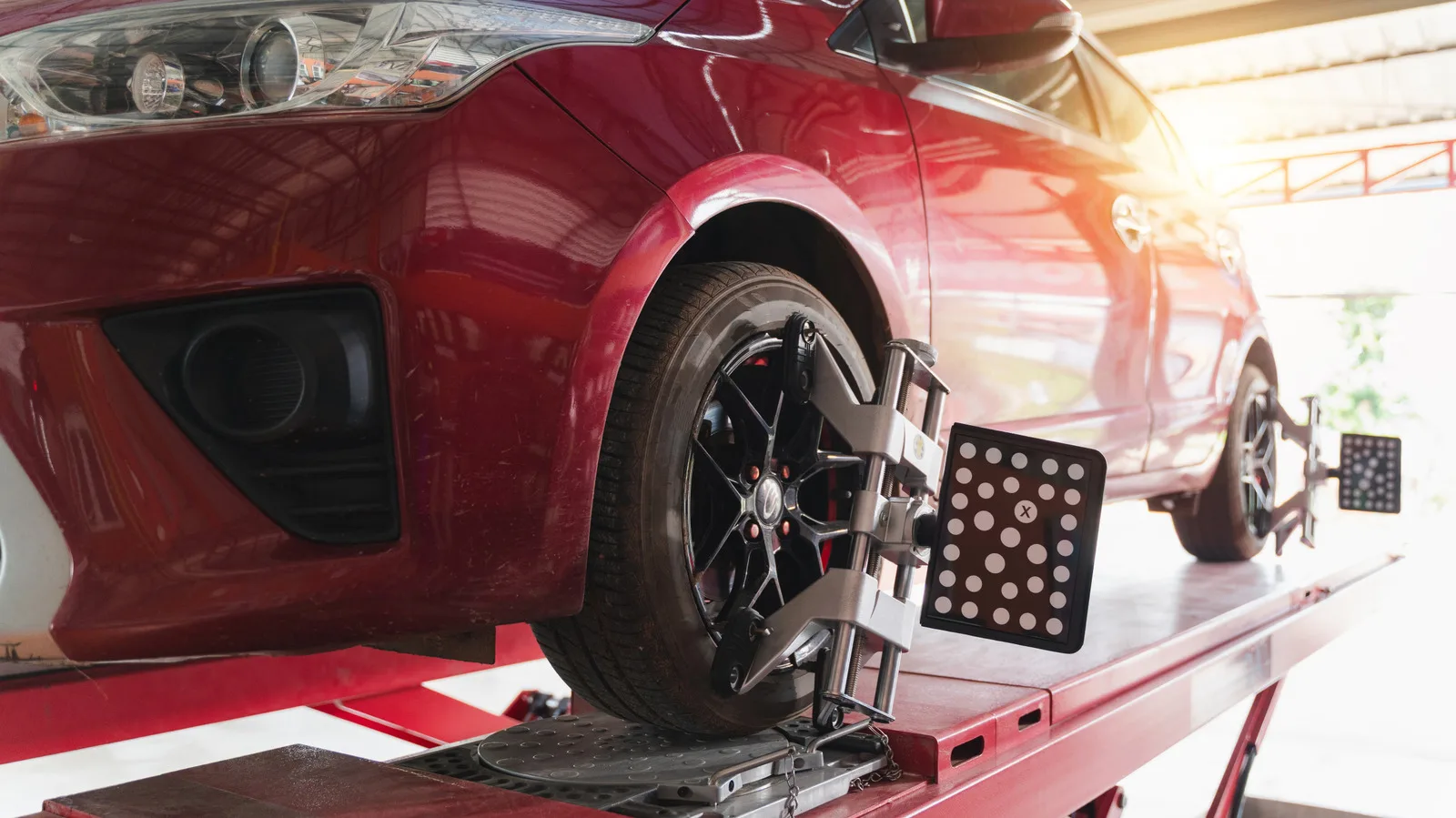
A car’s handling isn’t just about springs and dampers—alignment plays a critical role. The three key settings that shape how a vehicle steers, grips, and responds are camber, caster, and toe. Each adjustment tweaks tire contact, steering feel, and stability in ways that can turn a grocery-getter into a track weapon—or vice versa. Here’s how they work and why they matter.
Camber is the tilt of the wheel when viewed head-on. Negative camber (top of the tire leaning inward) increases the tire’s contact patch during cornering, boosting grip by flattening the inner shoulder. Performance and track-focused cars often run aggressive negative camber, achieved with aftermarket arms or damper top hats. Positive camber (top leaning outward) is rare in factory setups but can appear in lifted trucks or off-roaders. Too much negative camber, however, can cause uneven tire wear and tramlining—where the car follows grooves in the road like a train on tracks.

Toe describes whether the tires point inward (toe-in) or outward (toe-out) when viewed from above. Factory alignments typically favor a slight toe-in for straight-line stability and acceleration. But performance drivers often dial in toe-out to sharpen turn-in and steering response, especially on twisty roads or tracks. Zero toe—where the tires sit perfectly straight—splits the difference, offering a neutral balance between grip and stability.
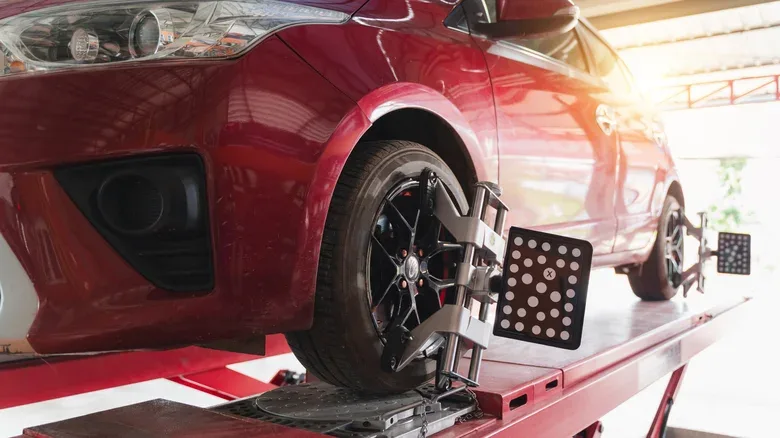
Caster, the least intuitive of the three, is the angle of the steering axis when viewed from the side. Positive caster (top pivot point behind the bottom) improves turn-in sharpness and steering feedback, though it demands more effort at the wheel—an issue mitigated by power steering. More positive caster also helps the outside tire gain camber during cornering, enhancing grip. Negative caster does the opposite, reducing feedback and stability. Like camber and toe, caster interacts with the other settings; adjusting it first can set the stage for finer camber and toe tweaks.
The trade-offs are clear: more negative camber and toe-out sharpen cornering but can accelerate tire wear and induce tramlining. Rear toe-in, for example, boosts stability under braking but may reduce agility. The ideal alignment depends on the car’s purpose—whether it’s a daily-driver prioritizing comfort, a performance machine chasing lap times, or a track weapon built for extremes. Even subtle changes, like a few degrees of caster or a millimeter of toe, can transform how a car feels. Before diving into adjustments, weigh the impact on tire life, road manners, and driving style. For enthusiasts, it’s a tuning playground; for everyone else, it’s the invisible hand guiding every twist and turn.
📱 Follow our Telegram channel for daily updates
Source: Jalopnik (Auto Culture & Tuning) (jalopnik.com)