🔔 Read us on Telegram — don’t miss the latest automotive news → t.me/motorhub_en
Buying a used gas-powered boat or a replacement outboard motor follows the same logic as shopping for a used car: price first, then usage. The most common question isn’t about brand or model—it’s “how many hours?” Just as car buyers obsess over miles, boat buyers fixate on engine hours. But is the 1,000-hour rule a hard-and-fast cutoff, or just another boating myth?

The short answer: it’s a guideline, not a death sentence. Conventional wisdom says steer clear of engines with over 1,000 hours, but that number is more about averages than absolutes. A well-maintained engine with 1,000 hours could outlast a neglected one with 500. The real factors aren’t just how long the engine ran, but how it ran—and how it was cared for.
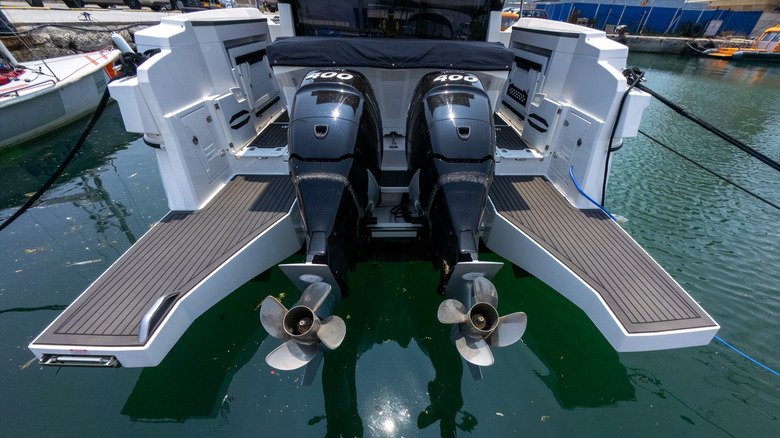
Think of it like a car engine. A heavy boat pulling water skiers will stress the motor more than a lightweight fishing rig. Saltwater is brutal on components, while freshwater is gentler. Abuse—like overheating, running with fouled plugs, or ignoring service intervals—can kill an engine faster than hours alone. Conversely, a low-hour engine that sat unused for years may face corrosion or dried-out seals, making it riskier than a higher-hour workhorse that was regularly run and serviced.
Maintenance is the ultimate decider. An engine with 7,000 hours but a meticulous service history can still purr like a kitten, while a low-hour engine left to stagnate can seize up from neglect. Routine oil changes, impeller replacements, and cooling system flushes matter more than the odometer reading. Even the propeller and water intake filter wear out over time and need attention.
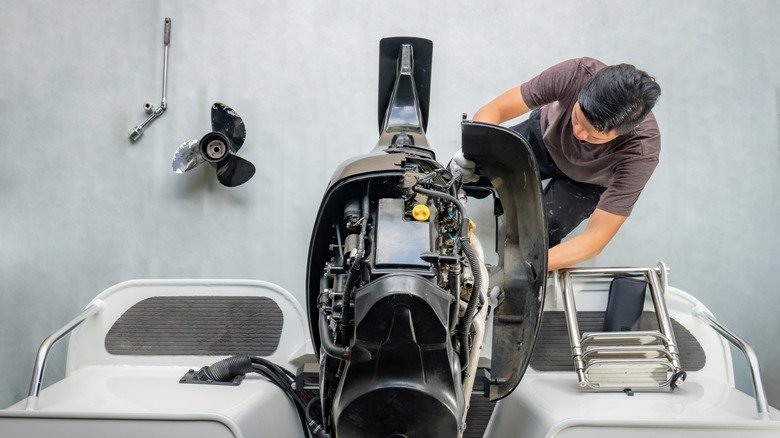
So what’s the takeaway? The 1,000-hour rule is a starting point, not a rule of law. If the price is right and the maintenance records are solid, an engine with 1,000+ hours could be a smart buy. If the hours are suspiciously low for the boat’s age, dig deeper—it might have been babied to death. The life a boat has lived—its workload, environment, and care—matters far more than the raw number of hours on the clock.
📱 Follow our Telegram channel for daily updates
Source: Jalopnik (Auto Culture & Tuning)
Source: Jalopnik (Auto Culture & Tuning) (jalopnik.com)