
🔔 Read us on Telegram — don’t miss the latest automotive news → t.me/motorhub_en
Early autumn is a prime time for a European road trip, offering lighter holiday traffic, cheaper ferry and Eurotunnel prices, and pleasant weather for coastal detours to destinations like the Dordogne, the Dolomites, or Bruges. However, taking your own car across the Channel means adapting to local rules instantly to avoid fines or delays.
Paperwork Essentials:
Ensure your passport is valid for at least three months beyond your return date. Carry your full driving licence, proof of insurance, and the V5C logbook if the car is registered in your name (or a VE103 permission-to-drive form if it is borrowed or hired for under 12 months). A green card is no longer required to prove EU insurance cover. An International Driving Permit is only needed for old-style paper licences or those issued in Gibraltar, Guernsey, Jersey, or the Isle of Man. Pack a free Global Health Insurance Card (GHIC) alongside your travel insurance.
Stickers and Headlights:
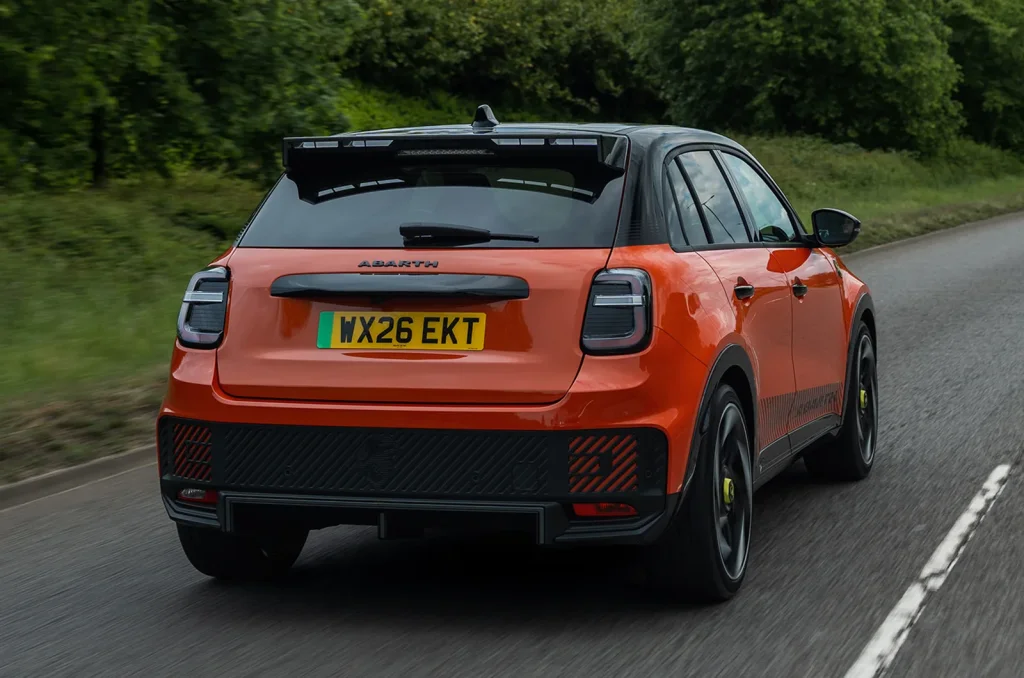
Vehicles with UK identifiers featuring the Union flag are covered, but older GB flags or plain plates require a UK sticker on the rear. Spain, Cyprus, and Malta require the sticker regardless of plate design. For magnetic versions, check if your tailgate is steel first. Fit beam deflector stickers to your headlights to prevent dazzling oncoming traffic when driving on the right, or switch adaptive headlights in your vehicle settings.
Safety Kit Requirements:
Most of Western Europe requires a warning triangle and a hi-vis vest for every seat, kept accessible in the cabin. First aid kits are compulsory in several countries. While breathalysers are no longer legally required in France as of 2020, they remain recommended due to strict drink-drive limits. Spare bulbs are also advised to prevent on-the-spot fines for blown headlights.
Tyre Safety:
The legal minimum tread depth in the UK and most of Europe is 1.6mm across the central three-quarters of the tyre, though specialists like Kwik Fit recommend replacing tyres at 3mm. Use the 20p test to check tread depth. Adjust tyre pressures to manufacturer recommendations for heavy loads and high speeds, checking the sticker inside the driver’s door, fuel filler cap, handbook, or via Kwik Fit’s online search. Inspect sidewalls for cuts or bulges and confirm whether your vehicle carries a spare wheel, space-saver, or repair kit.
Speed Limits and Rules:
Limits vary by country: France enforces 50km/h (31mph) in towns, 80km/h (50mph) on trunk roads, 130km/h (81mph) on dry motorways, and 110km/h (68mph) in the wet. Spain’s motorways max out at 120km/h (75mph), while Germany features unrestricted autobahn stretches with an advisory 130km/h (81mph) limit.
📱 Follow our Telegram channel for daily updates
Source: Autocar UK