🔔 Read us on Telegram — don’t miss the latest automotive news → t.me/motorhub_en
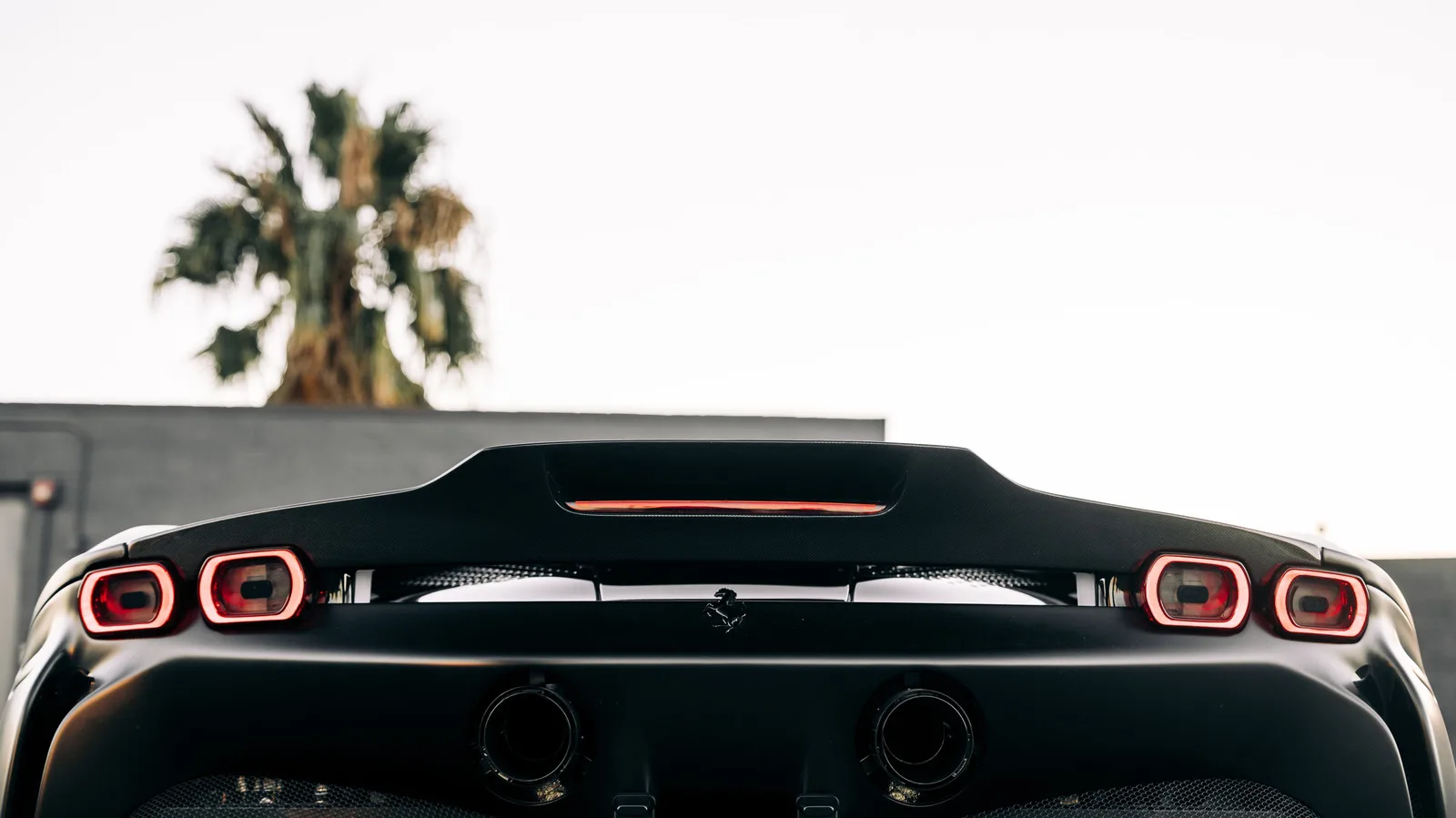
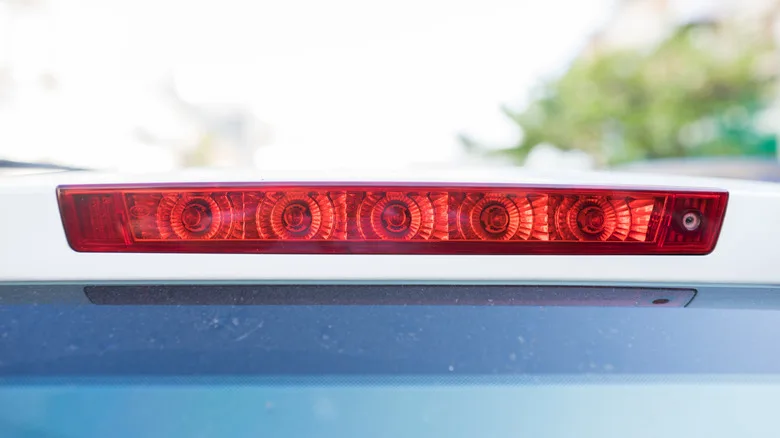
The third brake light, also known as the center high-mounted stop lamp (CHMSL), is a legal requirement for passenger cars manufactured in the U.S. on or after September 1, 1985, according to the NHTSA. While federal law mandates its original inclusion, state laws govern its operational compliance on the road. In most states, if a vehicle was originally equipped with a third brake light, it must be kept functional. Therefore, the short answer is yes, you need to fix or replace it if it’s out.
State laws and enforcement vary. In Virginia, the third brake light must be mounted near the vertical centerline, meet DOT standards, and activate with the brake and hazard lights. However, police cannot initiate a traffic stop solely for a third brake light violation, and any evidence gathered from such a stop is inadmissible. In Texas, a non-functioning third brake light can justify a traffic stop, and courts have upheld these stops, even if some argue only two brake lights are required. The Texas District & County Attorneys Association notes that police can and do pull drivers over for this, particularly during DWI enforcement.
California has enforced federal brake light compliance standards for supplemental lamps since 1987. While there’s no mandatory annual vehicle inspection, enforcement relies on officer discretion, and a dead third brake light can result in a fix-it ticket. Pennsylvania requires an annual safety inspection, and a non-working third brake light will cause a vehicle to fail if it was factory-equipped with one.
The NHTSA regulates the manufacture and sale of new vehicles, but post-sale compliance is a state matter. Enforcement can differ significantly across states, especially those without mandatory annual inspections.
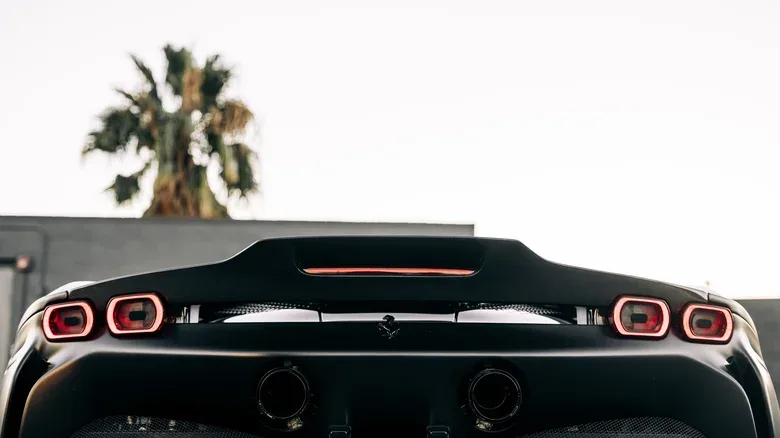
When replacing or repairing a third brake light, ensure the replacement is federally compliant. Modifying it to flash or changing its color from red is not permitted, as it can distract other drivers and cause legal issues. For older vehicles with standard bulbs, replacement can be a simple DIY task, often requiring just a screwdriver and the owner’s manual. However, many modern cars feature integrated LED modules, necessitating the replacement of the entire assembly. Costs for a bulb can range from approximately $5 to $20, while a full LED assembly might cost over $45. Using non-compliant aftermarket parts could also void a vehicle’s warranty, making it advisable to consult the dealer for repairs on a car still under warranty. For federally regulated components, professional servicing is recommended to ensure correct installation and legal compliance.
📱 Follow our Telegram channel for daily updates
Source: Jalopnik