🔔 Read us on Telegram — don’t miss the latest automotive news → t.me/motorhub_en
Porsche’s legendary 911 owes much of its iconic status to the air-cooled era, but one engineer’s legacy transcended that divide with a design that became just as revered. Hans Mezger’s flat-six—dubbed the “Mezger engine” by enthusiasts—wasn’t just another powertrain; it was a masterclass in durability and performance, born from motorsports dominance and refined over decades. Mezger’s career at Porsche spanned Formula One and endurance racing, but his roadgoing flat-six became his most enduring contribution. The Mezger engine powered the 996 and 997 GT3, GT3 RS, GT2, and Turbo models, serving as the final evolution of his original 1993 design before his retirement. While the 996 and 997 marked Porsche’s shift to water-cooled engines, the GT department turned to Mezger’s architecture for the 996 GT3. The standard M96 flat-six wasn’t up to the task, so Porsche resurrected the Mezger design from the 962 and 911 GT1 racecars, which had dominated endurance racing for over two decades. Mezger’s engine was fundamentally different from the Carrera’s M96/M97 units.
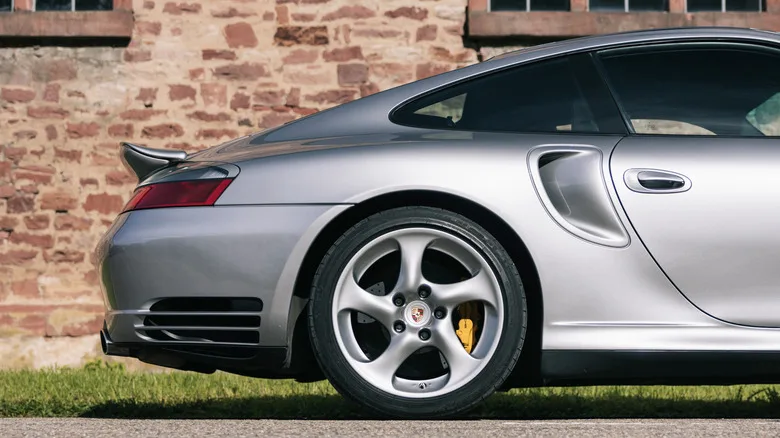
Its standout feature was a gear-driven intermediate shaft (IMS) supported by plain bearings, unlike the sealed bearings in the M96. This design ensured continuous lubrication from the main oil system, a critical advantage that cemented the Mezger’s reputation for indestructibility. The Mezger engine also featured a true dry-sump system with an external oil tank and scavenge pumps that maintained consistent oil pressure regardless of driving conditions. Its crankcase boasted thicker walls and stronger bearing surfaces, paired with a vertically split design for unmatched rigidity. This allowed the engine to sustain high-rpm operation under boost or near its 8,400-rpm redline—conditions that would cripple a wet-sump engine. The result? Mezger-powered Porsches routinely surpass 100,000 miles, with some reaching 200,000 miles on original internals.
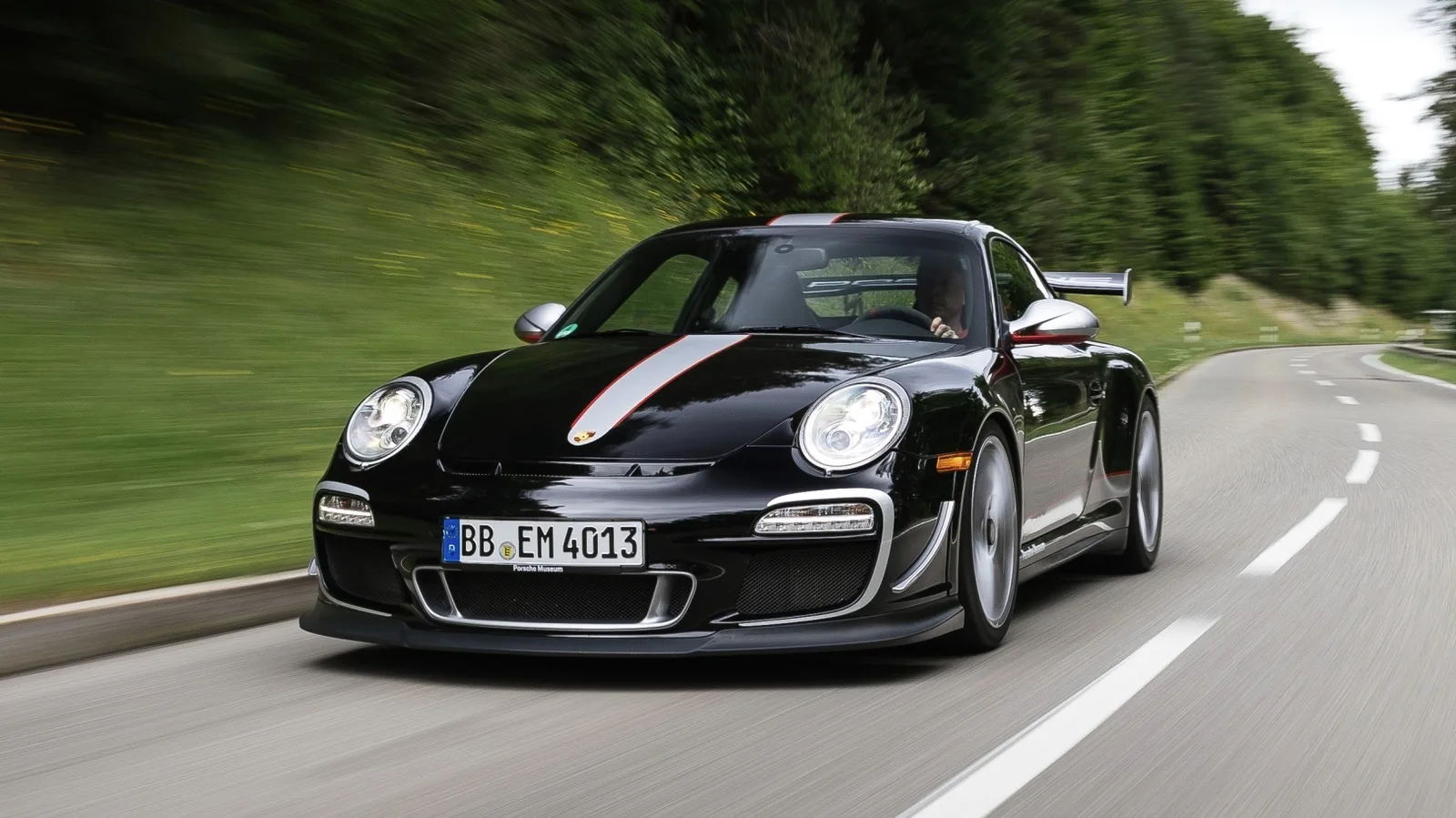
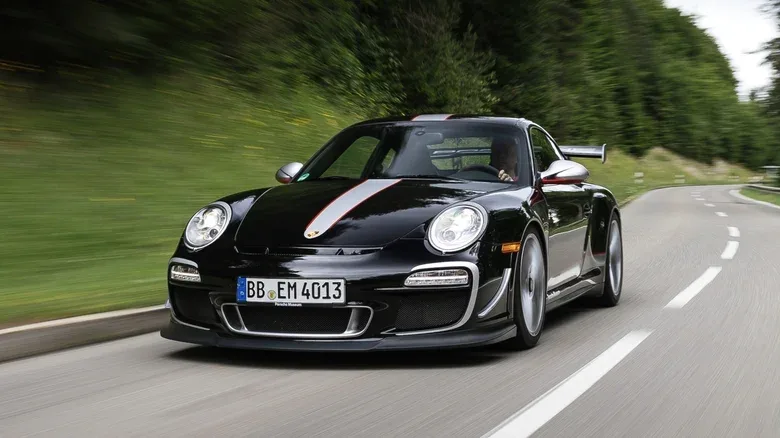
Another key advantage was the use of individual cylinder liners. In M96/M97 engines, bore scoring often required a full crankcase replacement or costly repairs. On the Mezger, liners could be replaced independently, turning what would total an M96 into a simple maintenance job. The Mezger’s final iteration arrived in the 2011 997 GT3 RS 4.0, a naturally aspirated flat-six producing 500 HP at 8,250 rpm with a 12.4:1 compression ratio and no direct injection. The 991 generation moved away from the Mezger not because it was obsolete, but because Porsche deemed it too expensive and race-focused for a comfort-oriented market. It also didn’t align with the brand’s push for direct fuel injection or PDK transmissions. Mezger’s engine wasn’t just a relic—it was a testament to engineering that prioritized longevity and performance over cost and adaptability.
📱 Follow our Telegram channel for daily updates
Source: Jalopnik