🔔 Read us on Telegram — don’t miss the latest automotive news → t.me/motorhub_en
Audi is making a dramatic U-turn on interior design, abandoning its recent obsession with giant touchscreens in favor of tactile controls, premium materials, and a more subdued tech integration.
The move marks a rejection of the screen-heavy cabins that have defined the brand’s recent models, including the Q7, and signals a return to the brand’s roots with physical buttons, rotary dials, and “classical Audi click and feel.” According to Rouven Mohr, Audi’s technical chief, the shift is a response to customer feedback, particularly from markets like Europe, North America, and Australia, where drivers still value controls they can operate without taking their eyes off the road.
Mohr emphasized that the brand’s future interiors will prioritize subtlety, with restrained display sizes and haptic feedback elements, while integrating technology in a way that feels organic rather than flashy. The transition won’t happen overnight.
Models arriving in the next two years, including the new Q7 and Q9, will retain the current dashboard philosophy, though they will introduce genuine slate trim as a hint of the direction Audi is heading.
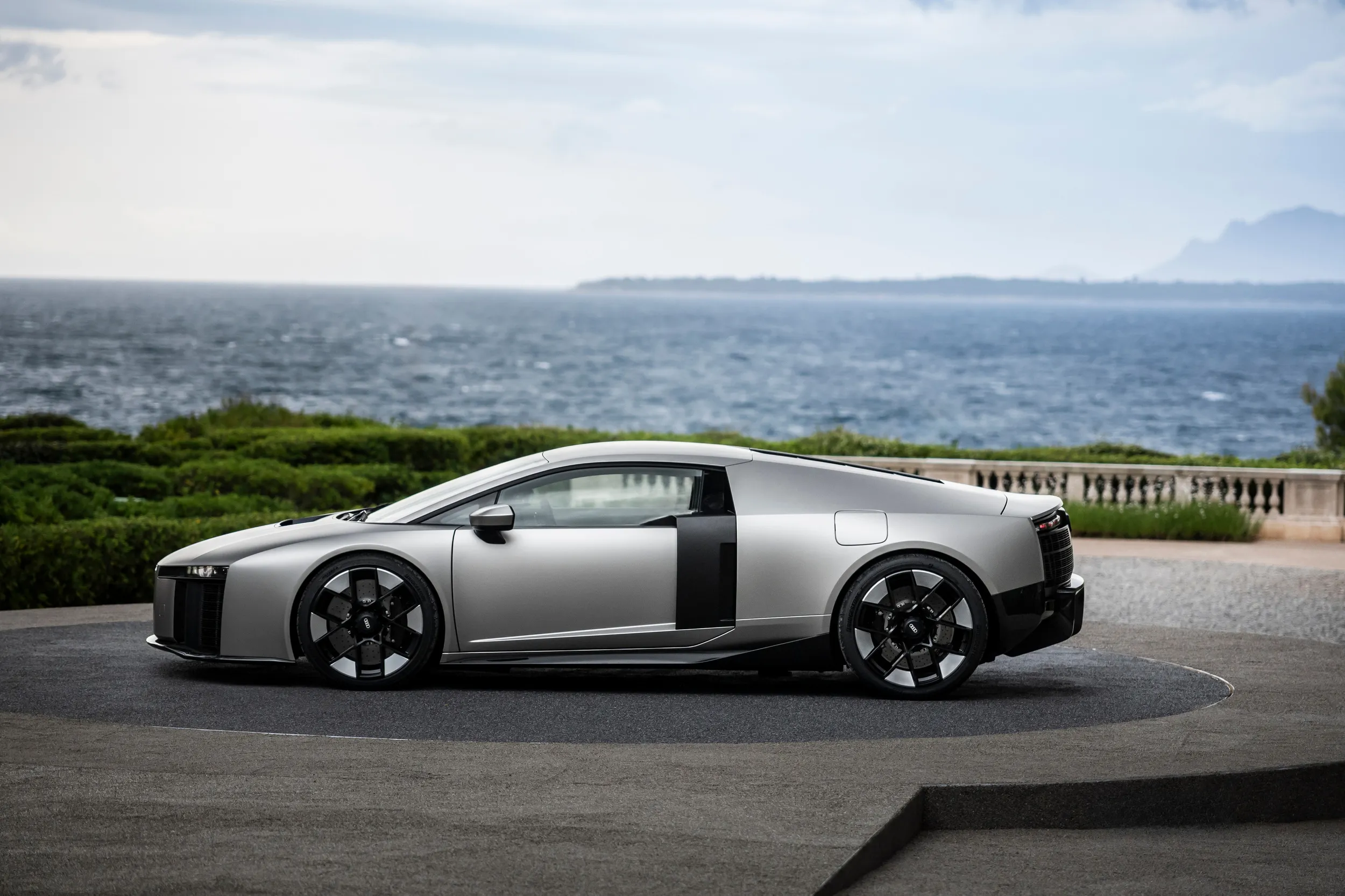
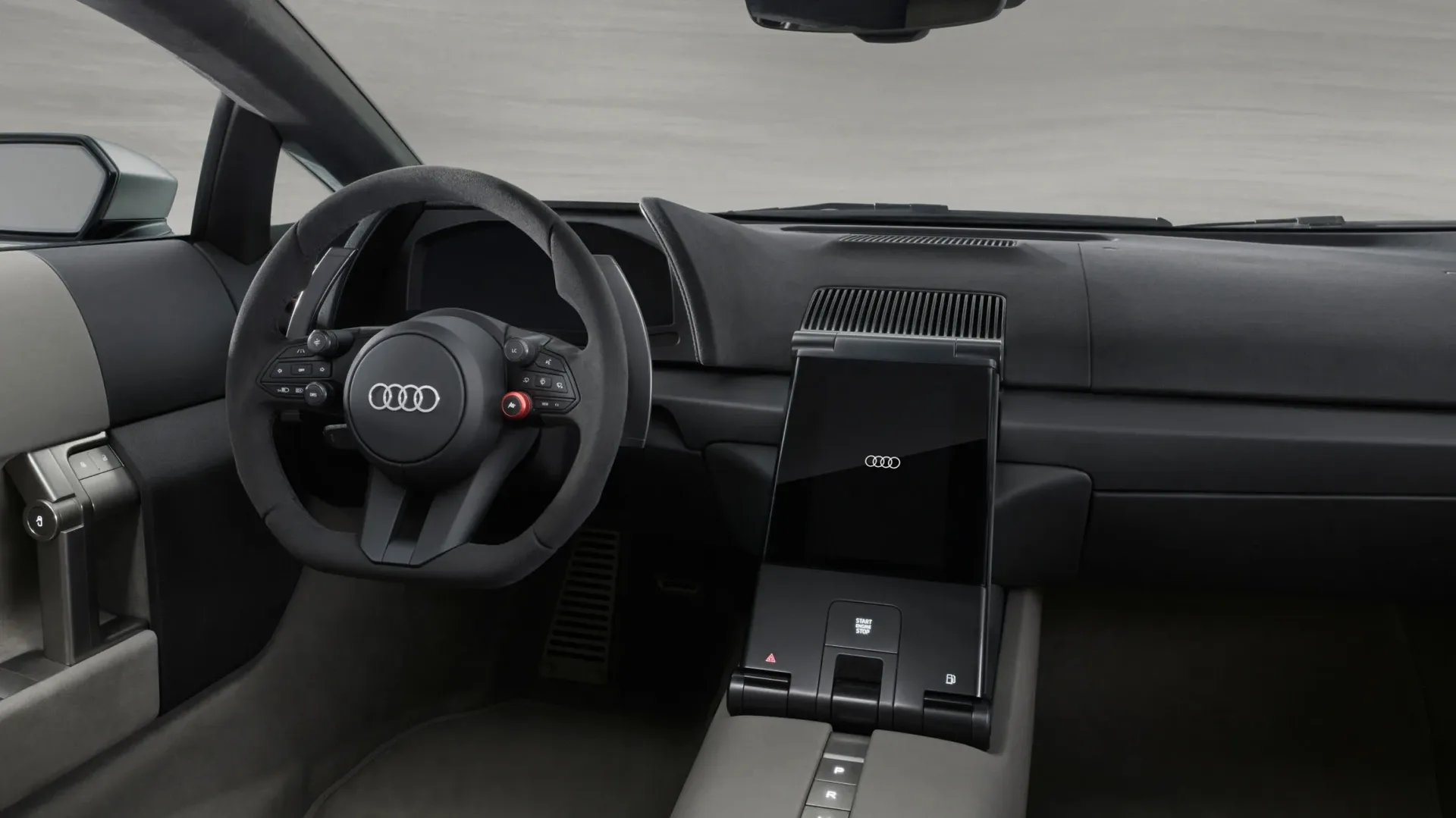
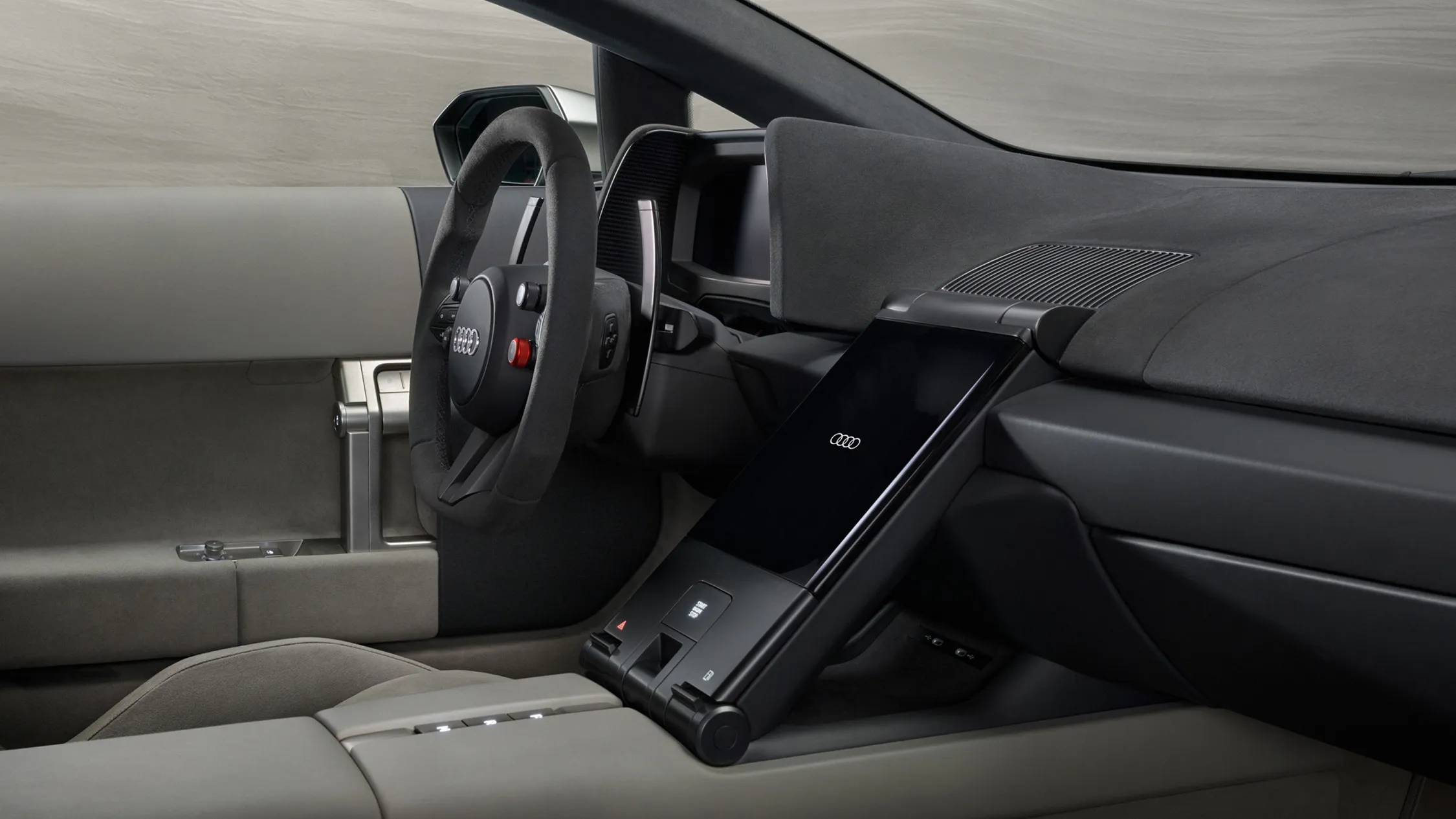
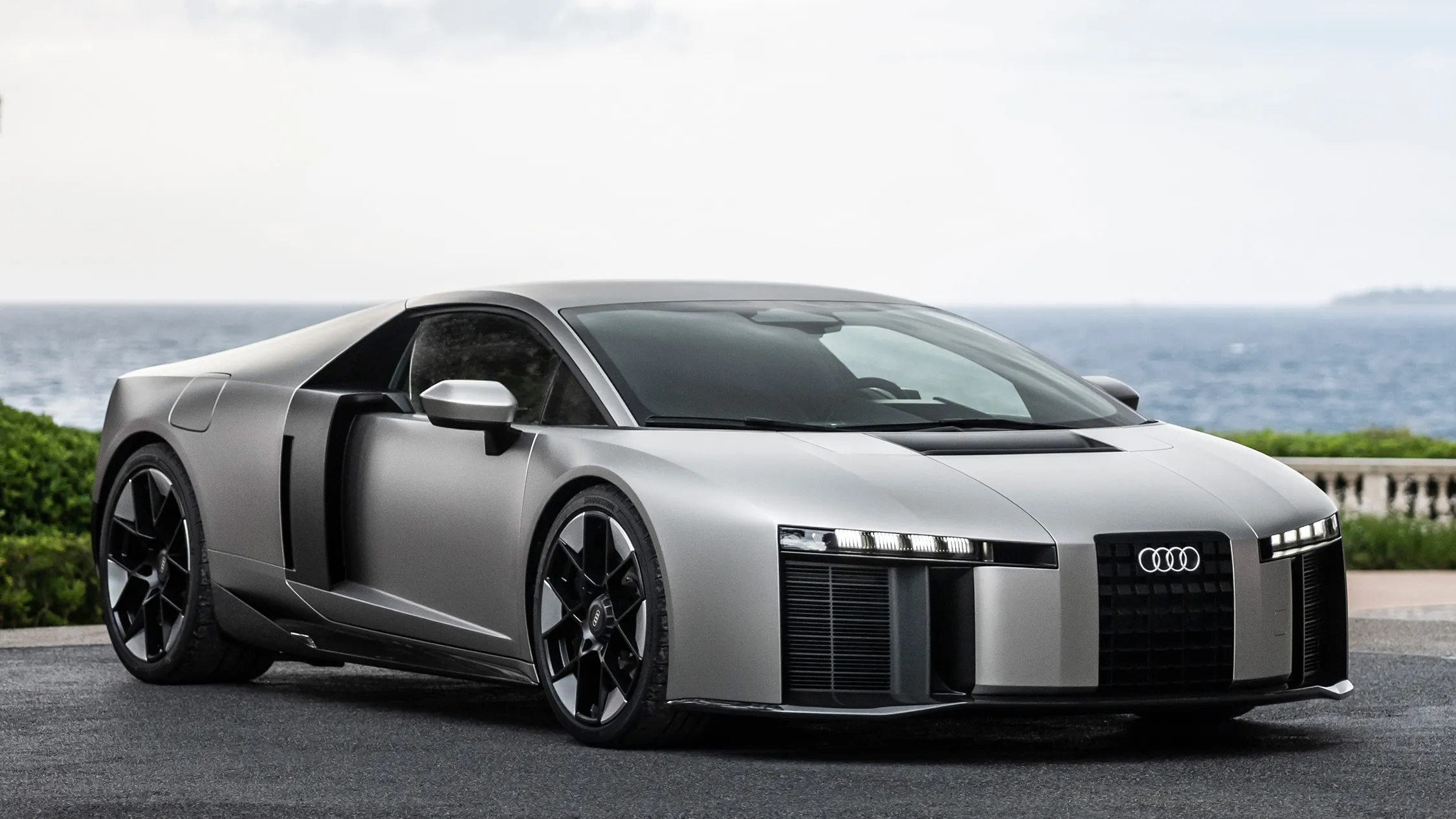
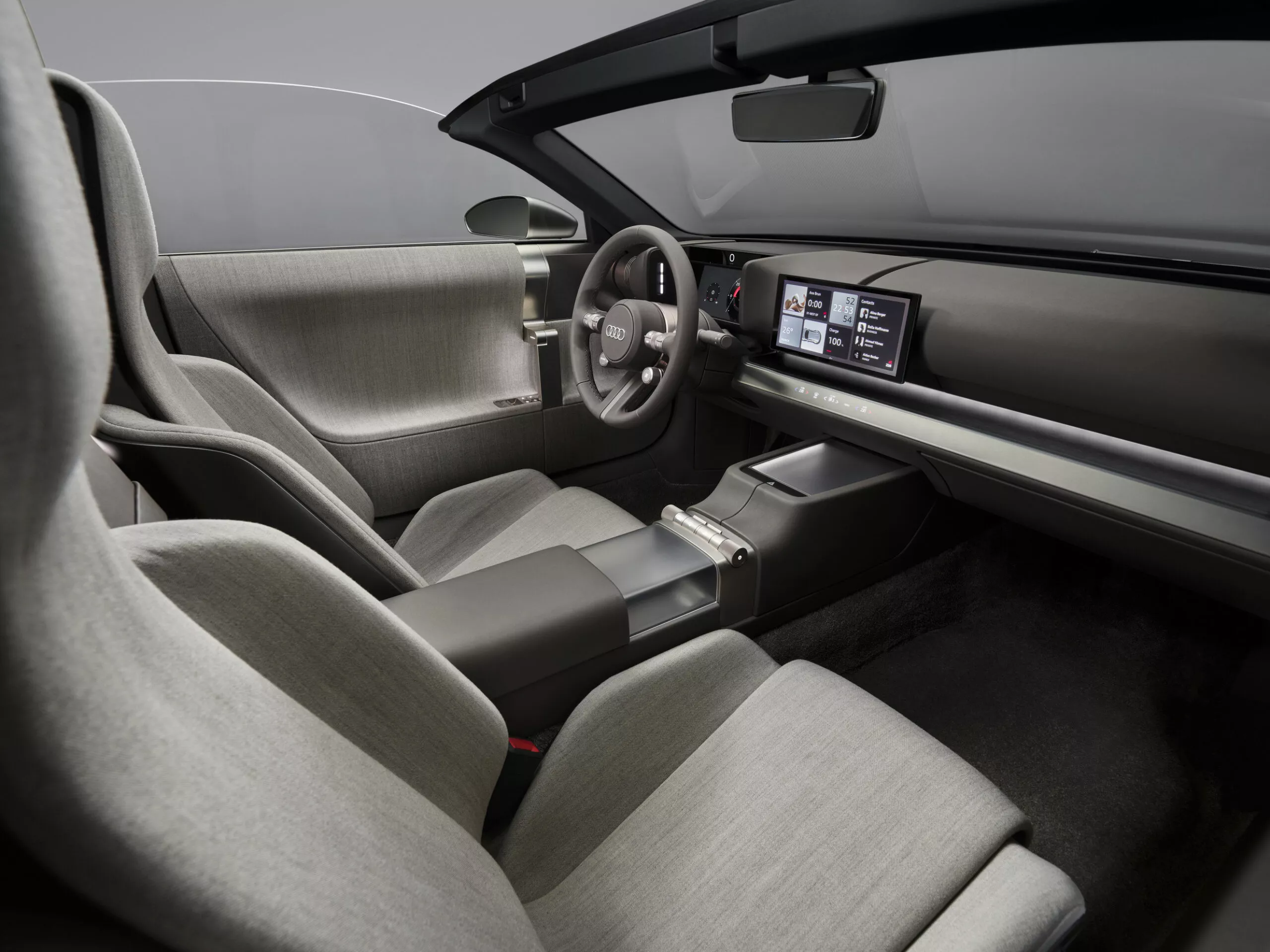
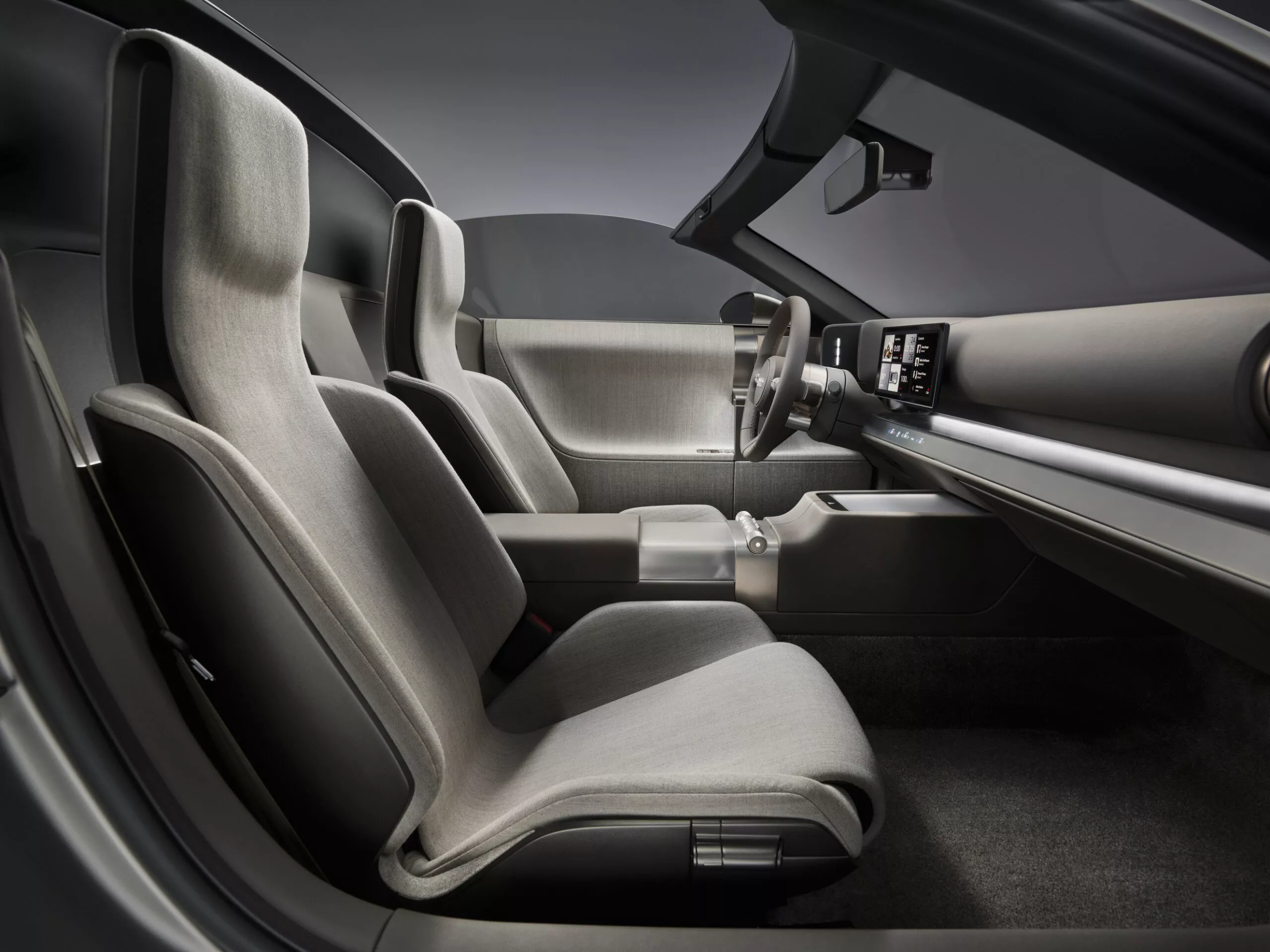
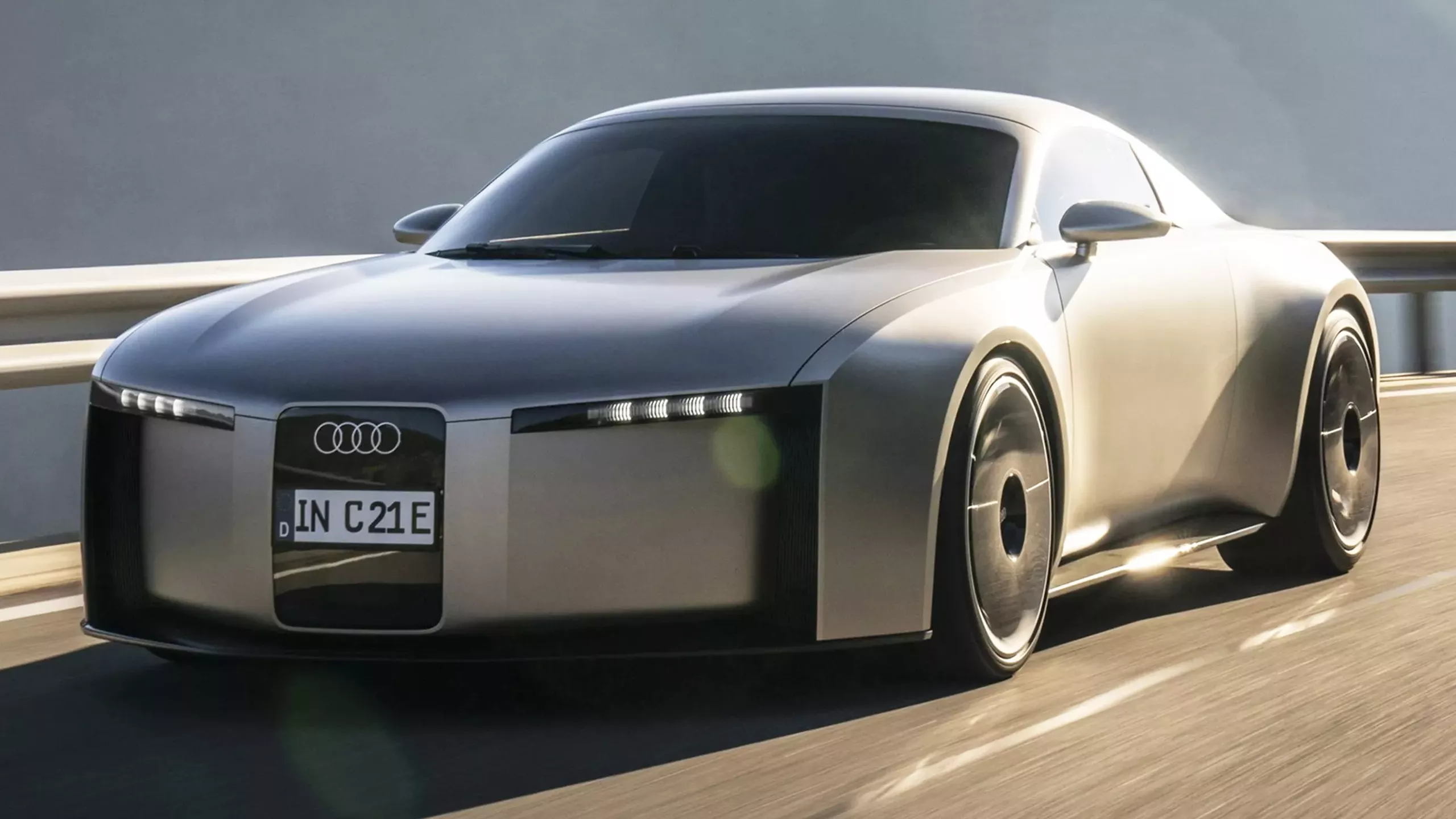
The company’s recent concepts, such as the Nuvolari and the TT-like Concept C roadster (previewing a 2027 production car), offer a glimpse of the future: conventional cowled instrument clusters, portrait or landscape tablet-style displays positioned low on the center console, and steering wheels with rotary dials.
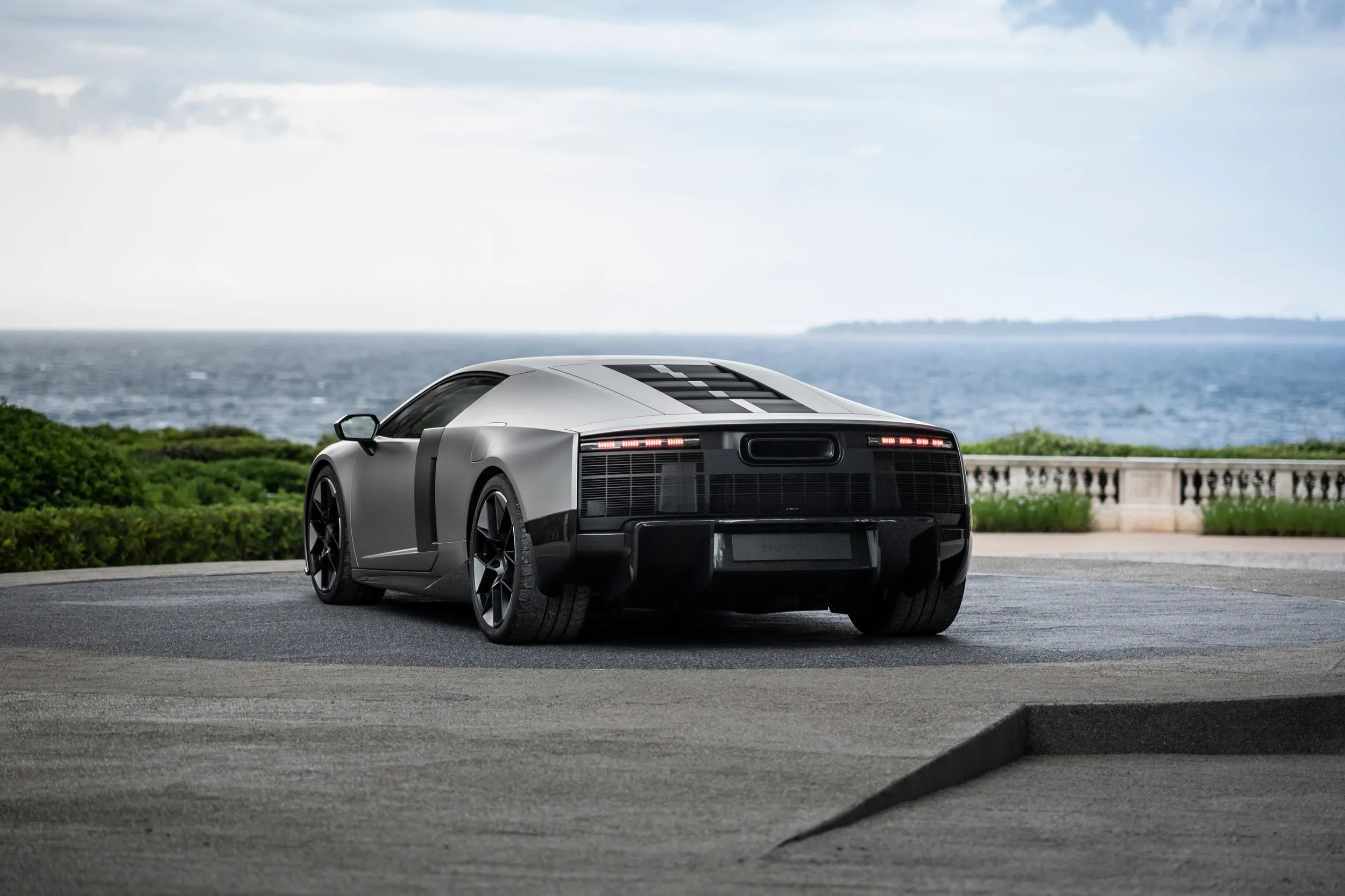
Audi’s pivot comes as rivals like BMW and Mercedes-Benz double down on their own dashboard strategies—BMW with its Panoramic iDrive, which stretches a pillar-to-pillar display across the base of the windshield, and Mercedes with full-digital dashboards on some models.
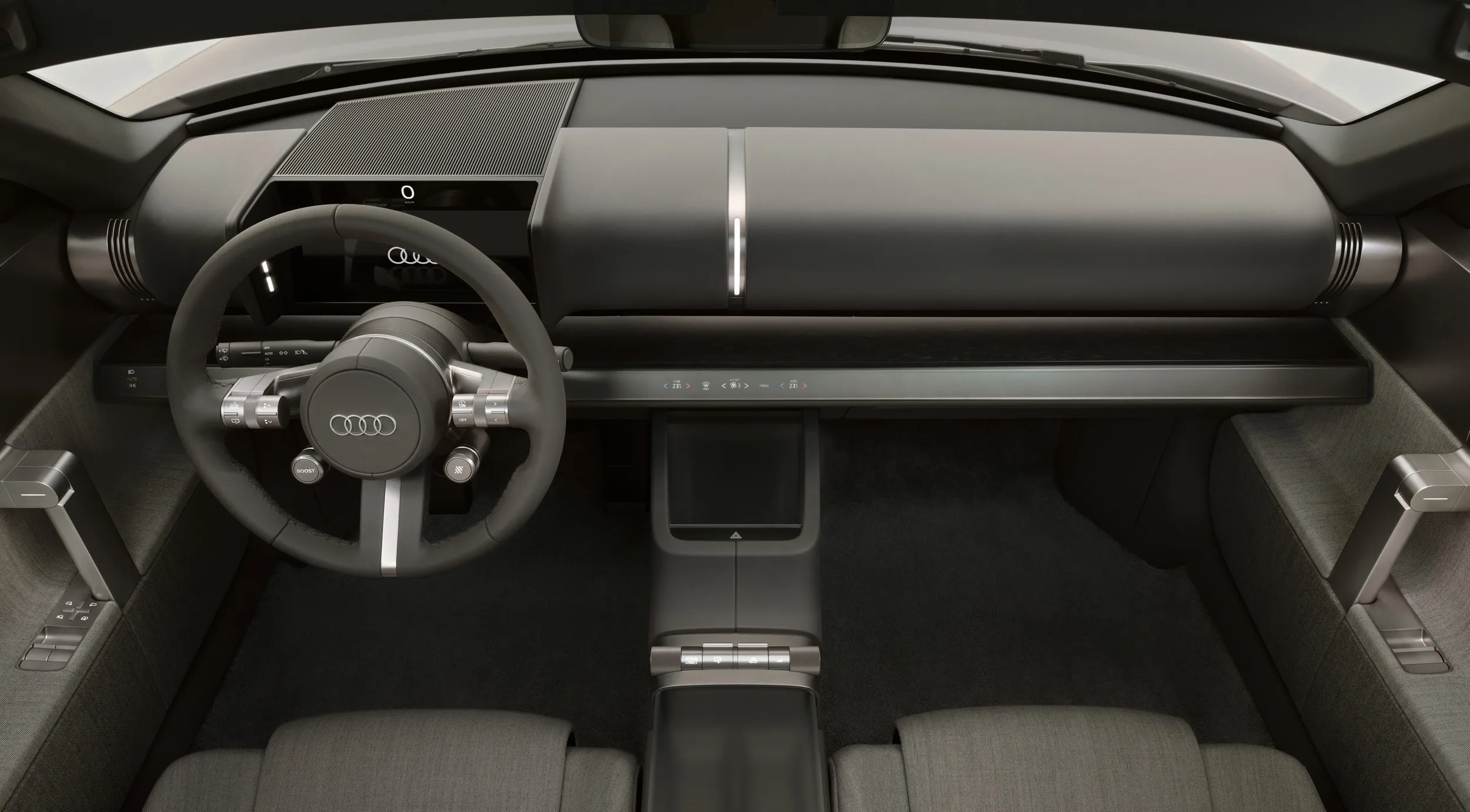
Audi’s decision to revert to tactile controls and premium materials underscores a broader industry reckoning with driver distraction and the limitations of touchscreens.
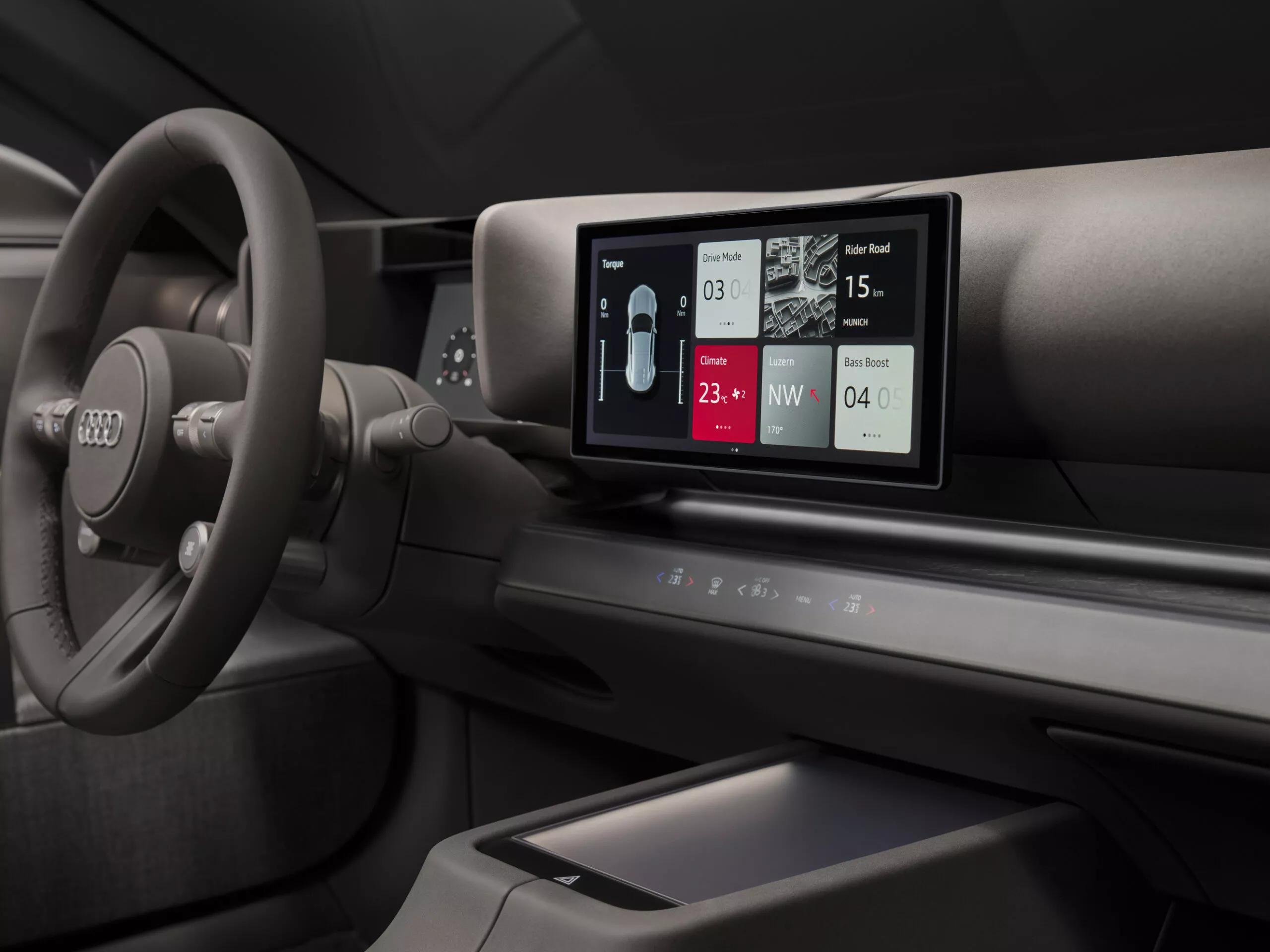
The brand’s technical chief stressed that the company’s DNA includes physical elements like buttons and turning wheels, each designed to deliver the signature “Audi click and feel.” This shift represents one of the most significant interior redesigns in the brand’s recent history, signaling a clear departure from the screen-centric philosophy that has dominated automotive interiors for the past decade.


📱 Follow our Telegram channel for daily updates
Source: CarScoops