🔔 Read us on Telegram — don’t miss the latest automotive news → t.me/motorhub_en
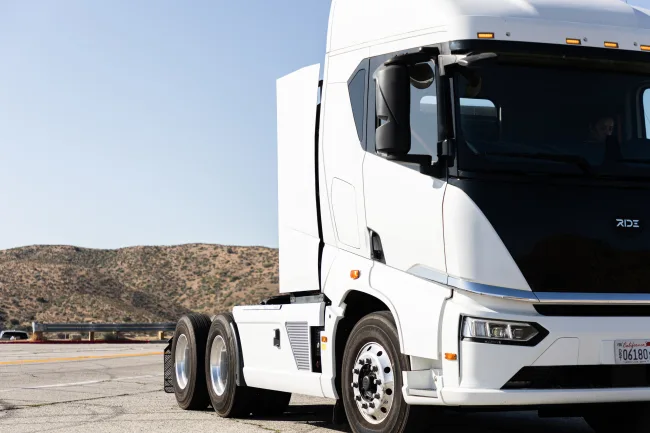
When considering electrification, fleets often focus on the upfront cost of an electric truck, but this overlooks operating costs, incentives, and other factors that impact the vehicle’s overall economics. The true question is whether the higher upfront cost tells the whole story. Factors such as fuel consumption, maintenance requirements, route characteristics, daily mileage, and vehicle utilization all play a role in determining the overall economics of a truck. Electric vehicles have a different cost structure than conventional trucks, making it essential for fleets to evaluate the complete operating picture rather than comparing sticker prices alone. Incentives, such as California’s Clean Fuel Reward (CCFR), can also change the calculation. The CCFR program provides incentives for eligible new zero-emission commercial vehicles, with rewards of up to $120,000 for qualifying Class 8 vehicles. Additionally, fleets should consider battery technology and vehicle design, such as lithium iron phosphate (LFP) battery chemistry, which offers durability, thermal stability, and safety characteristics. RIDE trucks, engineered to perform specific jobs, were designed with LFP batteries and offer a range of capabilities and duty cycles. Ultimately, the decision to electrify comes down to more than the initial price of the truck. Fleets should consider how the vehicle fits their routes, what it will cost to operate, what infrastructure it requires, and which incentives may be available. By taking a broader view, fleets can gain a clearer picture of whether electrification makes sense for their operation.
📱 Follow our Telegram channel for daily updates
Source: Transport Topics — Michelin & Tires (EN) (ttnews.com)