🔔 Read us on Telegram — don’t miss the latest automotive news → t.me/motorhub_en
Car journalists have long relied on automakers’ press cars to deliver honest, real-world performance data. But sometimes, those cars aren’t as innocent as they seem. In rare cases, automakers slip in “ringers”—vehicles that look showroom-fresh but are secretly hand-built, tweaked, or even weaponized to deliver jaw-dropping numbers. Pontiac, the defunct American muscle brand, mastered this game in the 1960s and 70s, turning its press fleet into a tool for myth-making—and leaving journalists none the wiser.
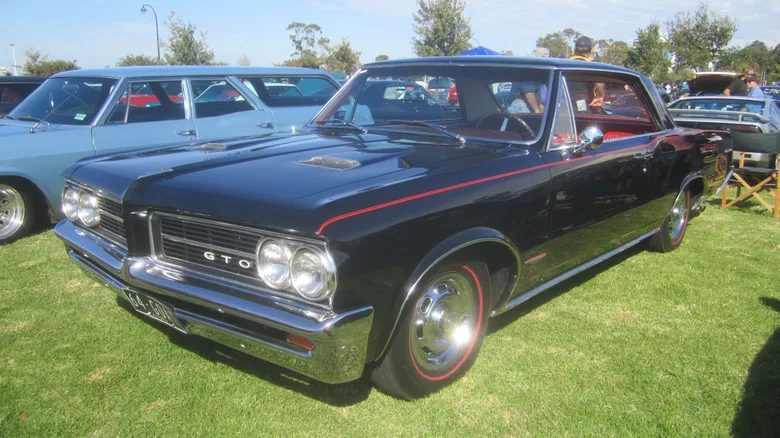
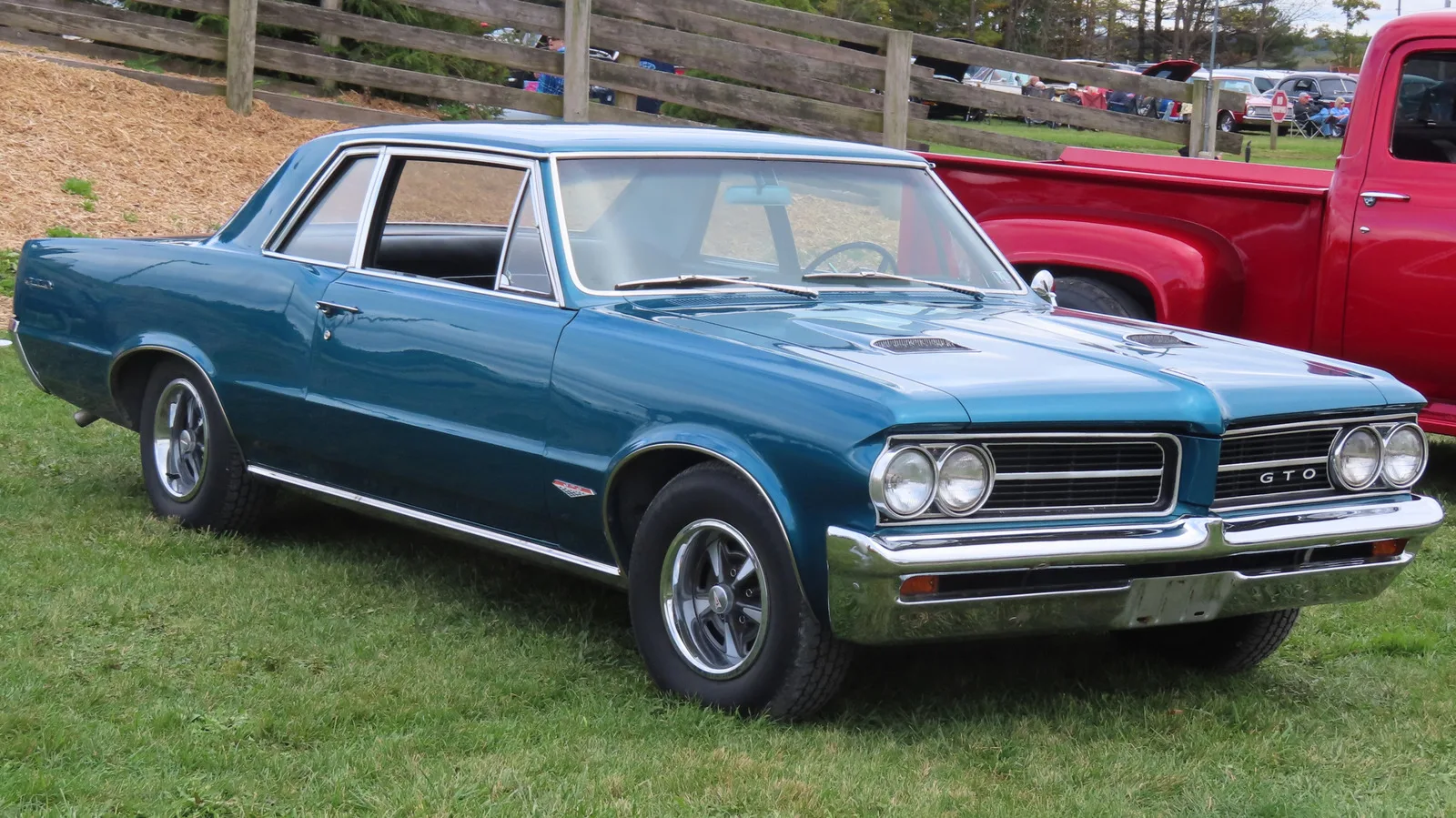
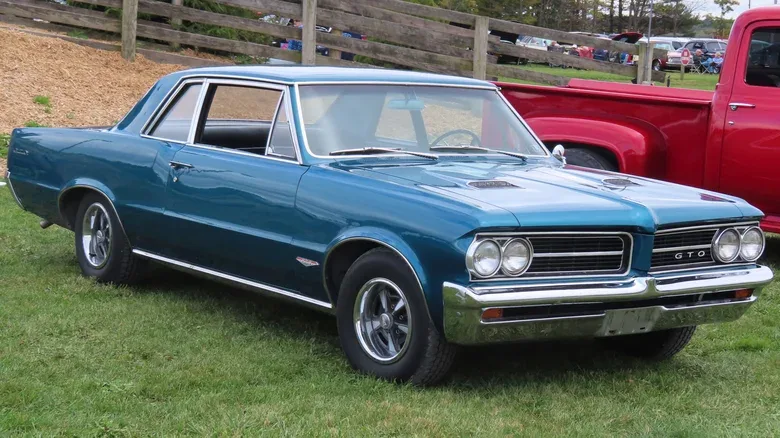
The most infamous example? The 1964 Pontiac GTO press car that outran a Ferrari 250 GTO in a legendary *Car and Driver* shootout. The ringer wasn’t just a stock Tempest GTO. It was a Trojan horse.
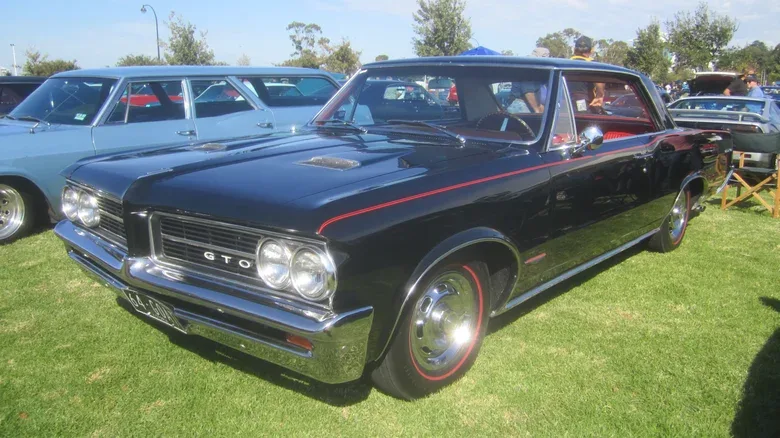
Pontiac’s marketing mastermind, Jim Wangers, knew the standard 389-cubic-inch V8 under the hood wouldn’t cut it. So he ordered Royal Pontiac’s engineers to swap in a 421-cubic-inch High-Output V8—complete with a “Bobcat” performance tune and NASCAR suspension—all hidden beneath factory sheet metal. The journalists never suspected a thing. The ringer smoked the quarter-mile in 13.1 seconds and hit 0–60 mph in 4.6 seconds, numbers that felt like science fiction in 1964.
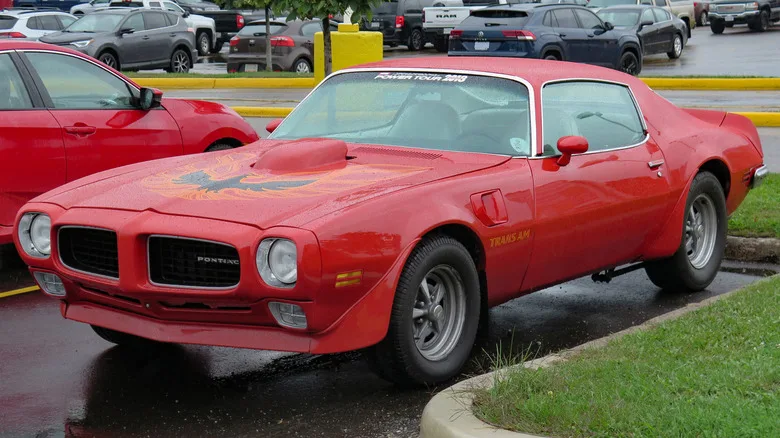
The test cemented the GTO’s legend, but it was built on a lie. By the early 1970s, Pontiac’s ringer strategy took a darker turn. As federal emissions regulations strangled American muscle, the brand weaponized its press fleet one last time with the 1973 Trans Am Super Duty 455. Pre-production prototypes were hand-built with blueprinted engines, hotter cams, and functional hood scoops—delivering a 13.54-second quarter-mile run that left magazines swooning.
But when production cars hit dealerships, reality hit harder. EPA mandates forced Pontiac to dial back power, swapping in milder camshafts and lower compression. The brochure’s 310-horsepower claim? Based on pre-production engines that never saw a smog test.
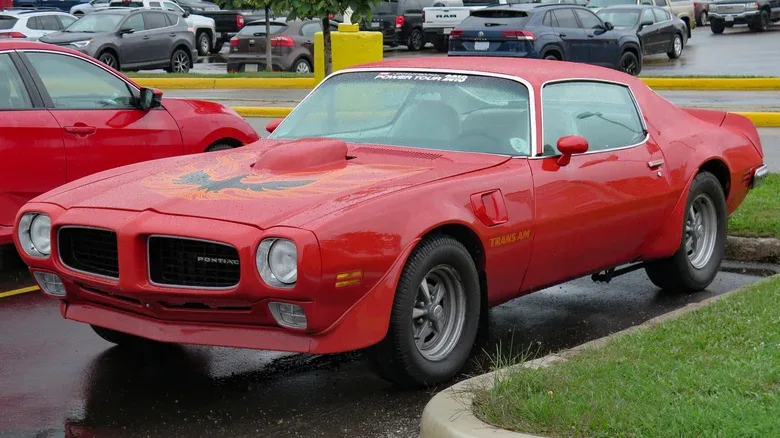
The compliant 1974 models made do with just 290 horsepower, leaving enthusiasts wondering if they’d been duped. Pontiac’s ringer gambits weren’t just about marketing—they were a calculated rebellion against tightening regulations. And for decades, journalists played along, fearing that calling out the deception would cost them access to future press cars. The ringer era exposed a dirty secret: the cars we trusted to tell the truth about performance were often the most dishonest of all.
📱 Follow our Telegram channel for daily updates
Source: Jalopnik (Auto Culture & Tuning) (jalopnik.com)