🔔 Read us on Telegram — don’t miss the latest automotive news → t.me/motorhub_en
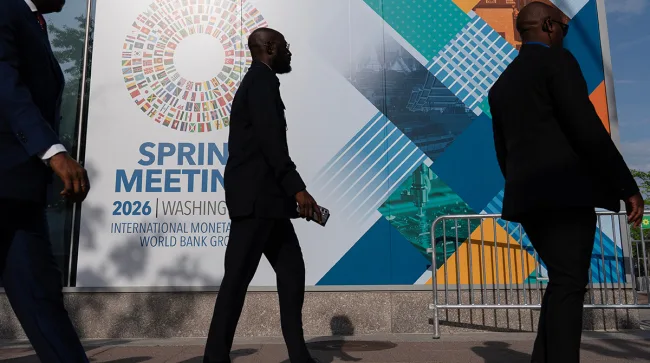
The International Monetary Fund (IMF) has downgraded its 2026 global economic growth forecast to 3%, down from 3.1% projected in April, citing energy disruptions triggered by the Iran conflict. The war has led to a near-shutdown of the Strait of Hormuz, a critical chokepoint for global oil and gas transit, pushing energy prices up nearly 32% this year. Global consumer inflation is now expected to hit 4.7% in 2026, reversing two years of progress and squeezing businesses and households worldwide. The IMF warns that the economic fallout from the conflict is only partially offset by surging investment in artificial intelligence and other high-tech sectors. The U.S. economy, the world’s largest, remains a bright spot with a projected growth of 2.3% in 2026, unchanged from the April forecast. Analysts attribute this resilience to President Donald Trump’s 2025 tax cuts, productivity gains, and a buoyant stock market. In contrast, Europe faces severe headwinds, with the eurozone’s collective growth forecast slashed to just 0.9% for 2026, down from 1.4% in 2025. Higher energy costs and a collapsing property market continue to weigh on major economies like Germany (0.7%), France (0.6%), and the UK (1.0%). China, the world’s second-largest economy, is expected to grow 4.6% in 2026, supported by government stimulus, a boom in high-tech manufacturing, and strong export demand. However, this marks a slowdown from 5% growth in 2025 and falls short of earlier expectations. India remains the fastest-growing major economy, with a projected 6.4% expansion in 2026, driven by robust consumer spending, though this is a moderation from its 7.7% growth in 2025. Other key economies face mixed fortunes: Japan is forecast to grow just 0.6%, Russia 1.1%, Brazil 2.4%, Saudi Arabia 1.7%, and Nigeria 4.1%. The IMF’s updated projections underscore the uneven impact of the energy crisis, with countries heavily reliant on energy imports or lacking diversified economies facing the steepest slowdowns. The IMF, a 191-nation organization, plays a central role in monitoring global economic stability and poverty reduction, but its latest outlook highlights the fragility of the post-pandemic recovery amid geopolitical and inflationary pressures.
📱 Follow our Telegram channel for daily updates
Source: Transport Topics — Michelin & Tires (EN) (ttnews.com)