🔔 Read us on Telegram — don’t miss the latest automotive news → t.me/motorhub_en
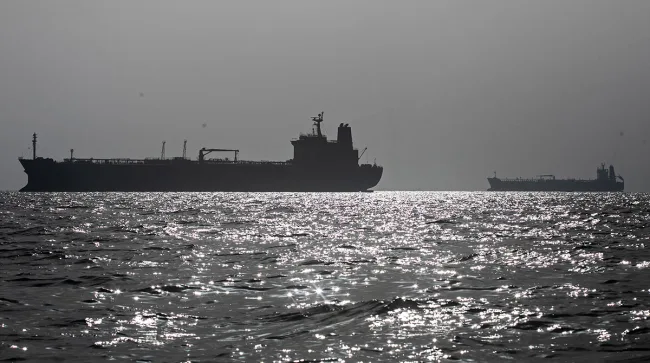
The U.S. Treasury Department revoked a waiver on July 7 that permitted the sale of Iranian oil, effective immediately, following attacks on three ships in the Strait of Hormuz. The move threatens a 60-day interim peace deal between Washington and Tehran, which had helped ease oil supply concerns and market volatility. The revoked waiver, issued under General License X, had allowed Iranian oil transactions for 60 days through August 21. Oil prices surged in response, with Brent crude exceeding $75 per barrel and U.S. crude futures settling around $72 per barrel. The decision comes after Iran allegedly attacked three vessels in the waterway, a claim Tehran has denied while asserting control over transit permissions. A U.S. official, speaking anonymously, stated that Iran must demonstrate good behavior to retain benefits under the deal, warning of consequences for its actions. Negotiators continue working toward a final agreement, though sanctions experts warn the waiver revocation could terminate the memorandum of understanding (MOU) that had halted hostilities for 60 days. The MOU aimed to create space for broader negotiations on Iran’s nuclear program and the future of the Strait of Hormuz. Claire O’Neill McCleskey, co-founder of Clarity Compliance Consulting and former OFAC compliance chief, described the attacks and waiver revocation as potentially fatal to the MOU. The Strait of Hormuz remains a high-risk zone despite military escorts for vessels transiting near Oman’s coastline. The U.S. authorization for Iranian oil sales had been pivotal in stabilizing investor concerns over supply shortages and tempering oil price spikes. Brent crude had peaked near $125 per barrel in late April but had since retreated toward pre-conflict levels amid signs of market recovery. Critics, including Brett Erickson of Obsidian Risk Advisors, condemned the waiver revocation as counterproductive, arguing it undermines the fragile agreement without providing meaningful leverage.
📱 Follow our Telegram channel for daily updates
Source: Transport Topics — Michelin & Tires (EN) (ttnews.com)