🔔 Read us on Telegram — don’t miss the latest automotive news → t.me/motorhub_en
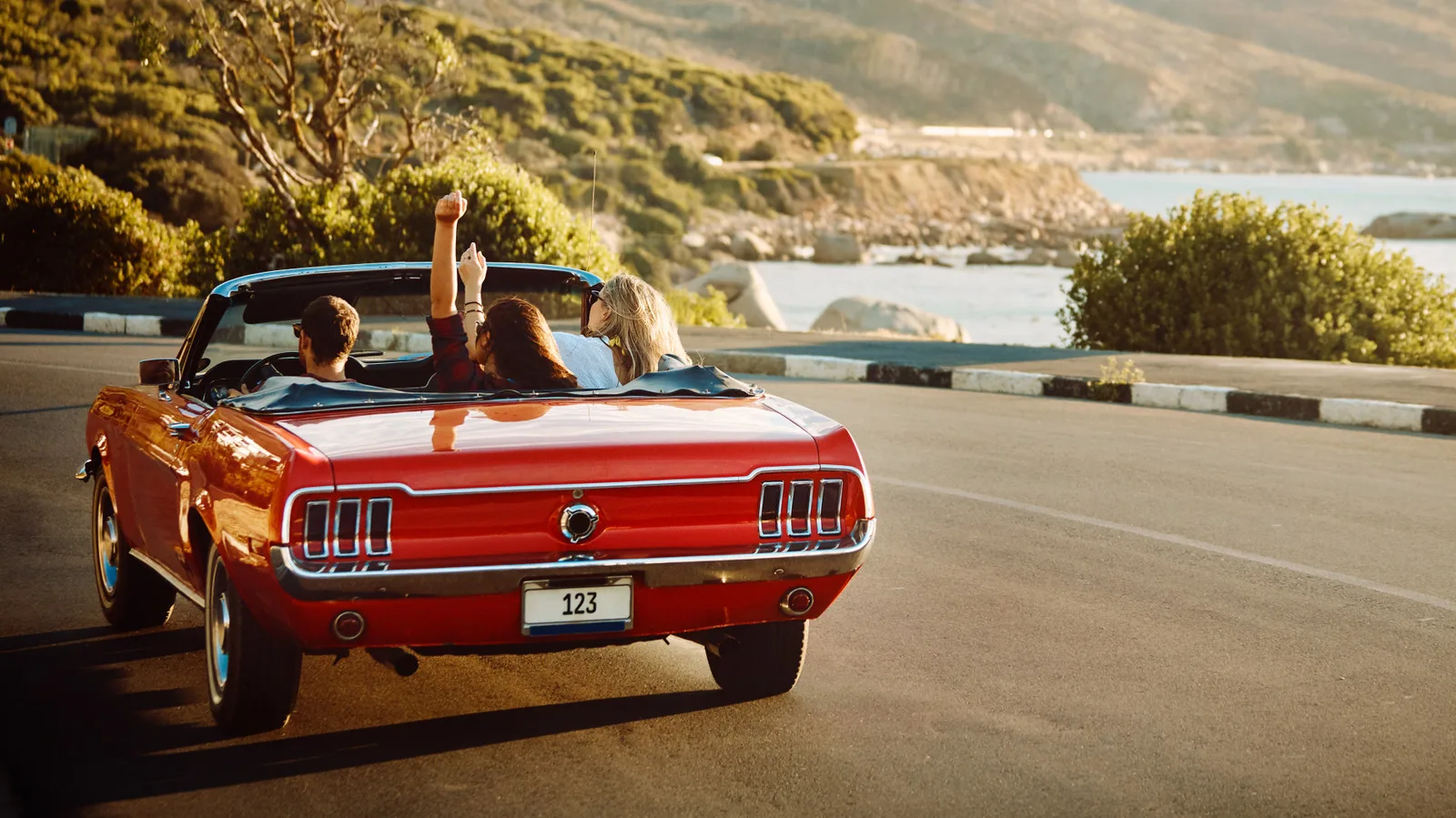
The American convertible’s golden age is long gone. In the 1950s and ’60s, drop-top sales routinely topped half a million units annually in the U.S., but today they account for less than 0.6% of all new-car sales.
With 16.3 million new cars delivered in 2025, that translates to fewer than 100,000 convertibles sold each year—despite a population that’s more than twice as large as in 1959. The decline isn’t the result of a single factor; it’s a cascade of regulatory, economic, and cultural shifts that have pushed open-air motoring to the fringes of the market.
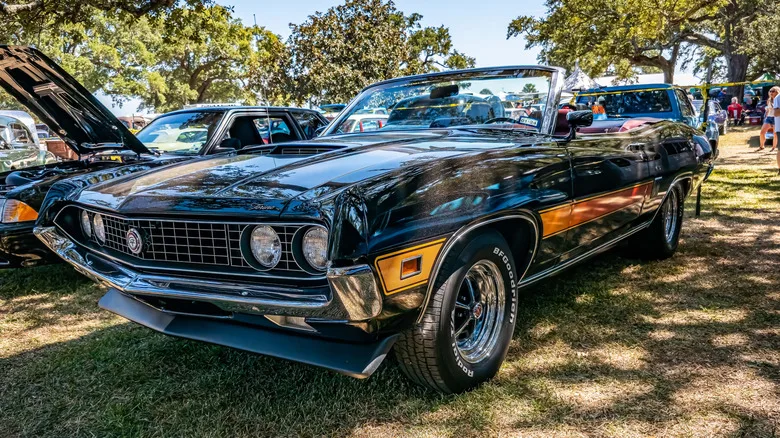
Regulatory pressure in the 1970s loomed large. The federal government proposed tougher rollover safety standards that would have subjected convertibles to the same roof-strength tests as fixed-roof cars.
Though the rules never passed, the threat alone may have deterred automakers like Ford and GM from investing in new drop-top models. Hemmings argues the real turning point came earlier, with the mass adoption of air conditioning and sunroofs.
Before climate control became standard, a convertible top wasn’t just a novelty—it was a way to beat the heat. Once buyers could roll down a window or flip open a panel, the practical edge of a full retractable roof vanished.
The 1970s oil crisis hammered the final nail, steering demand toward smaller, lighter, and less ostentatious cars—everything a convertible wasn’t. The ’90s and early 2000s saw a brief revival of budget convertibles, with models like the Geo Metro, Chrysler PT Cruiser, and Toyota Camry Solara offering affordable open-air motoring.
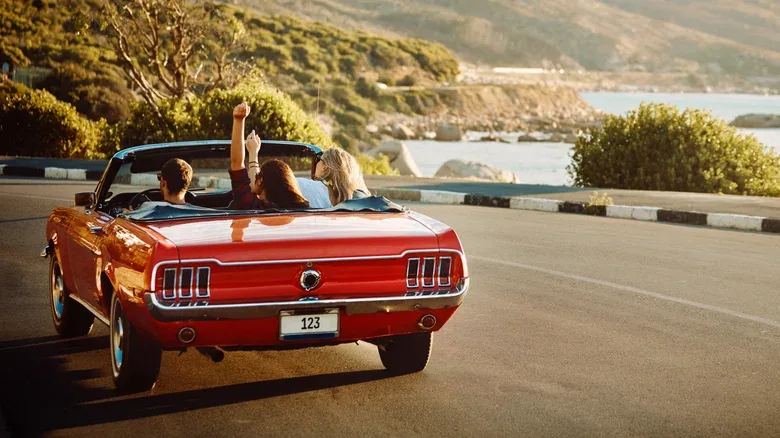
But by 2008, they were already fading again, this time due to economics. New-car prices have surged to nearly $50,000 on average, and wages haven’t kept pace with inflation.
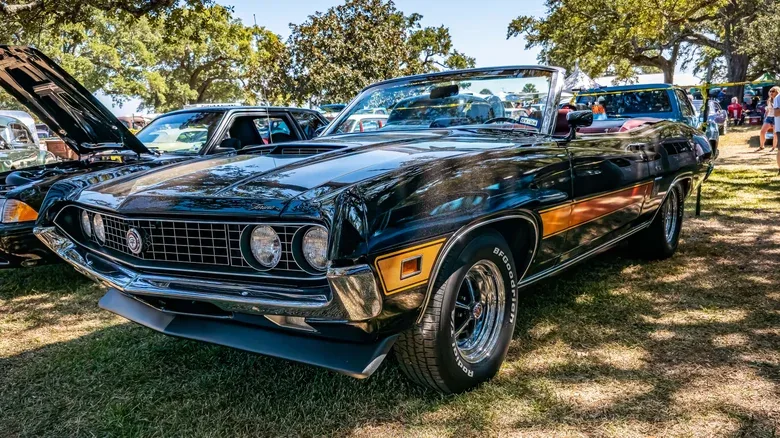
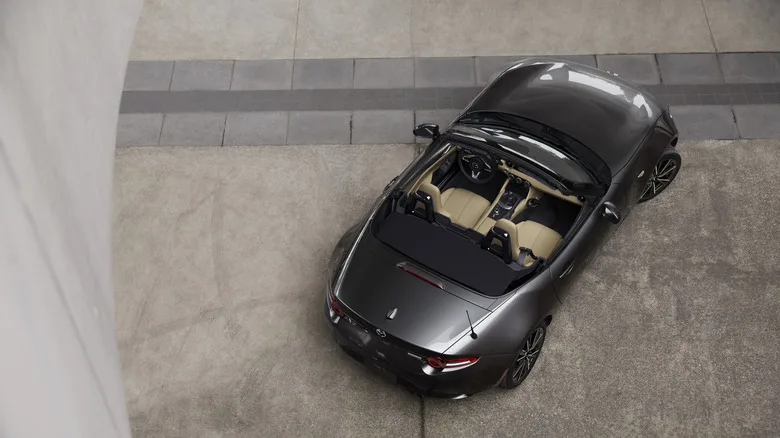
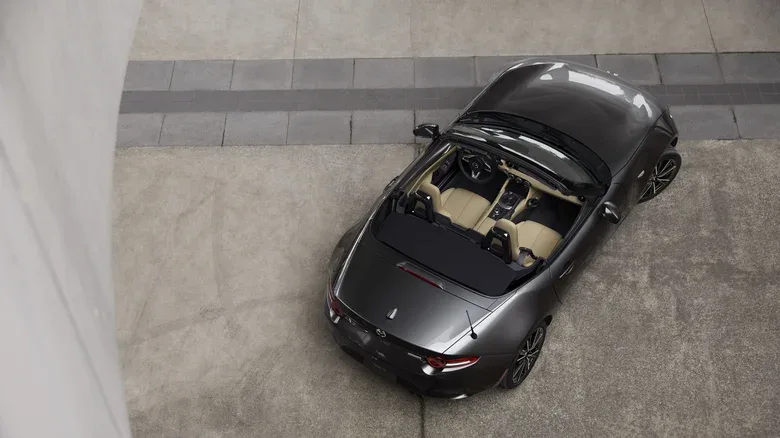
Today, the only convertibles that could be called “affordable” are the Ford Mustang, Mazda MX-5 Miata, Mini Cooper, and Chevrolet Corvette—if you stretch the definition. Everything else sits in the luxury or supercar stratosphere.
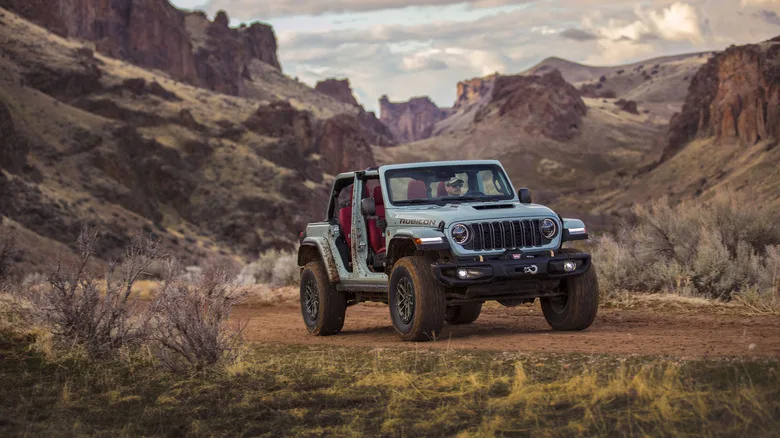
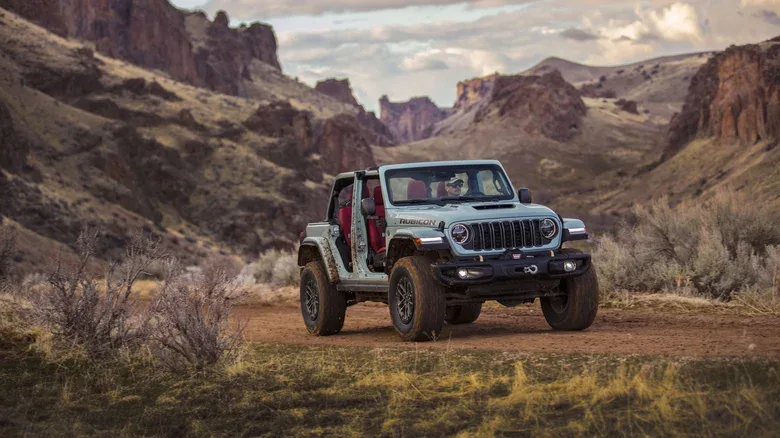
Cultural shifts have also played a role. Status symbols have shifted from sleek roadsters to rugged SUVs like the Jeep Wrangler and Ford Bronco, which offer open-air freedom without the structural compromises of a traditional convertible.
Enthusiasts argue that convertibles are inherently compromised as driver’s cars: they’re heavier and less rigid than coupes, a flaw exposed by the industry’s obsession with Nürburgring lap times and chassis stiffness since the mid-2000s. The result is a market where convertibles survive only as niche playthings for enthusiasts or aspirational luxury purchases—rare, expensive, and increasingly irrelevant to the mass market.
📱 Follow our Telegram channel for daily updates
Source: Jalopnik (Auto Culture & Tuning) (jalopnik.com)