🔔 Read us on Telegram — don’t miss the latest automotive news → t.me/motorhub_en
Modern automatic transmissions are increasingly ditching the traditional dipstick in favor of “sealed” units, marketed with “lifetime” automatic transmission fluid (ATF). But here’s the catch: there’s no such thing as a forever fluid. Servicing these sealed gearboxes isn’t a DIY job—it demands specialized tools, precise techniques, and trained mechanics. Here’s exactly what the process entails and why it’s critical to follow manufacturer guidelines.
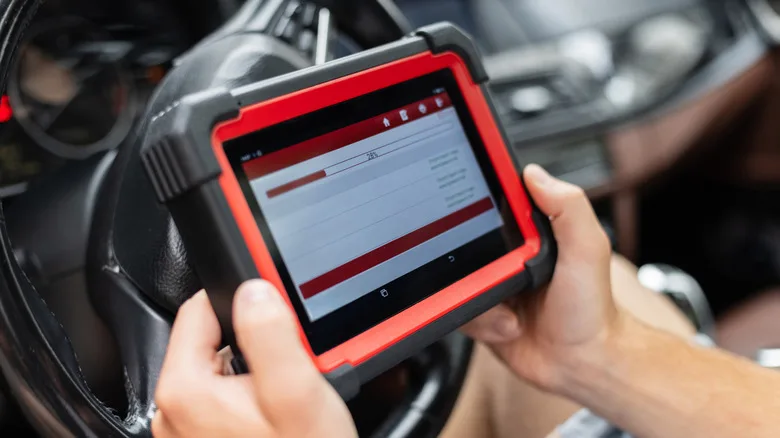
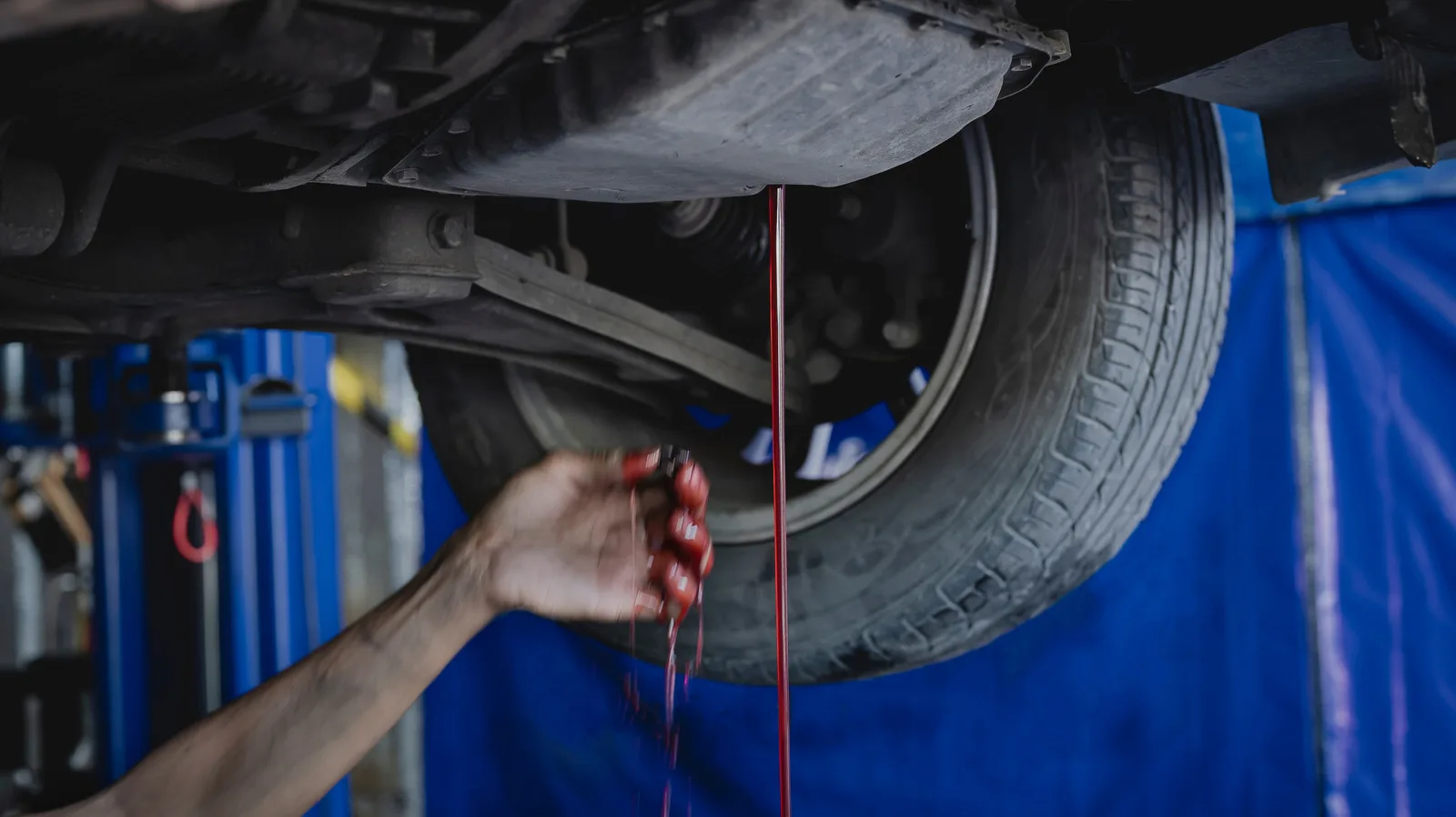
Sealed transmissions hide their ATF behind drain and refill plugs, often tucked away behind wheels or under panels. To service one, a mechanic starts by hoisting the car on a lift to access these plugs. After draining the old fluid, they refill the transmission using a fluid pump. The real challenge? Checking the fluid level without a dipstick. Mechanics rely on an OBD-II scanner, an infrared thermometer, diagnostic software, and sometimes even a jumper wire plugged into the OBD-II port to verify the ATF is at the correct temperature—typically between 97°F and 115°F for some Lexus and Toyota trucks and SUVs. The process involves cycling the gear lever between Neutral and Drive while applying the brakes to warm the fluid, then draining it to a trickle before resealing the plug.

Not all sealed transmissions are serviced the same way, and automakers recommend doing so every 60,000 to 100,000 miles. Vehicles used for towing, stop-and-go traffic, or extreme temperatures may need service sooner. The cost varies: a basic fluid change (draining ~30% of ATF and refilling) runs $150–$175, while a full flush (using a pump and flushing liquid to replace all fluid) costs $165–$290. Replacing the oil filter or dropping the pan adds to the bill.
Skipping service is risky. Without a dipstick, you can’t eyeball fluid condition, so rely on mileage and manufacturer intervals. Fresh ATF—whether for a conventional automatic or a CVT—is the lifeblood of your transmission. Ignore it, and you’re flirting with costly repairs down the road.

📱 Follow our Telegram channel for daily updates
Source: Jalopnik (Auto Culture & Tuning) (jalopnik.com)