🔔 Read us on Telegram — don’t miss the latest automotive news → t.me/motorhub_en
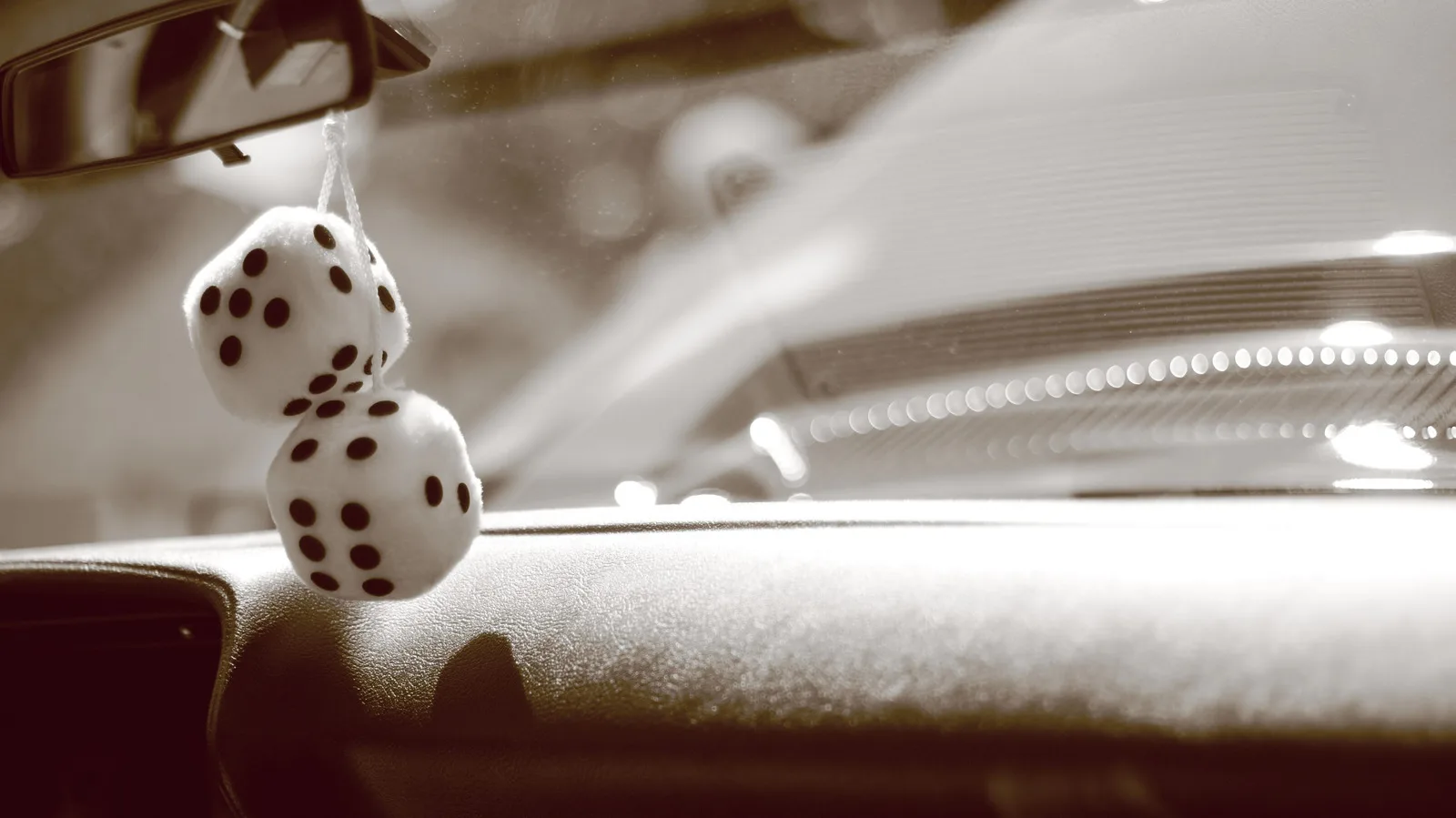
Fuzzy dice once embodied rebellion and risk in car culture, but their meaning has eroded over decades. The trend traces back to WWII pilots who placed dice on instrument panels—often with seven pips for luck or as a dark nod to the gamble of flight.
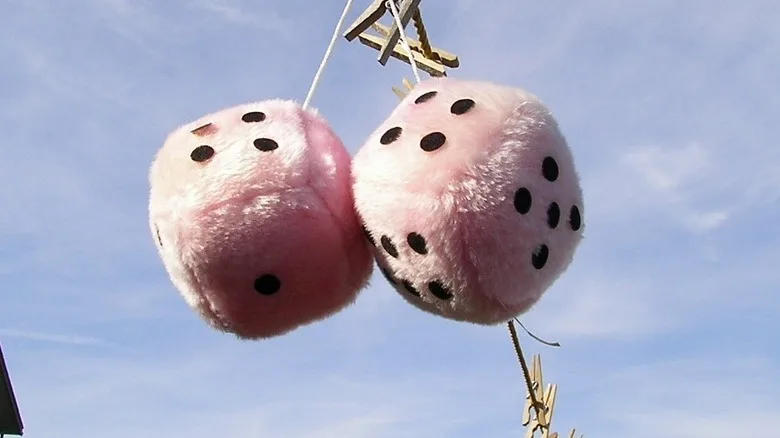
Returning pilots brought the superstition into postwar America, where dice became a symbol of street-racing bravado. Early plastic dice melted in sunlight, so fuzzy versions took over, spreading through hot rod culture in the 1950s.
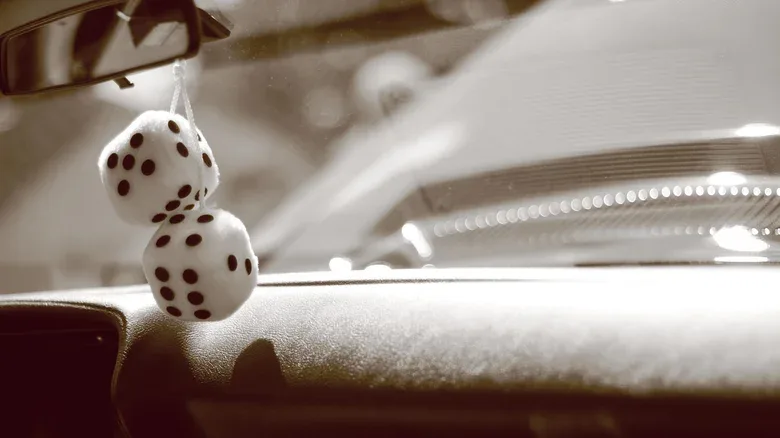
Car magazines amplified the trend by featuring dice in photo spreads, turning them into a mainstream personalization staple. By the 1980s, fuzzy dice had shifted from rebellion to individual expression, but they were crowded out by other interior novelties like Garfield window toys and hula dancers.
Legal crackdowns also played a role: California banned rearview ornaments as early as the 1950s, and by the late 1980s, multiple states had laws prohibiting items obstructing the driver’s front windshield. Modern ADAS cameras, often mounted near the rear-view mirror, have reinforced these restrictions, as anything hanging nearby risks interfering with sensor calibration.
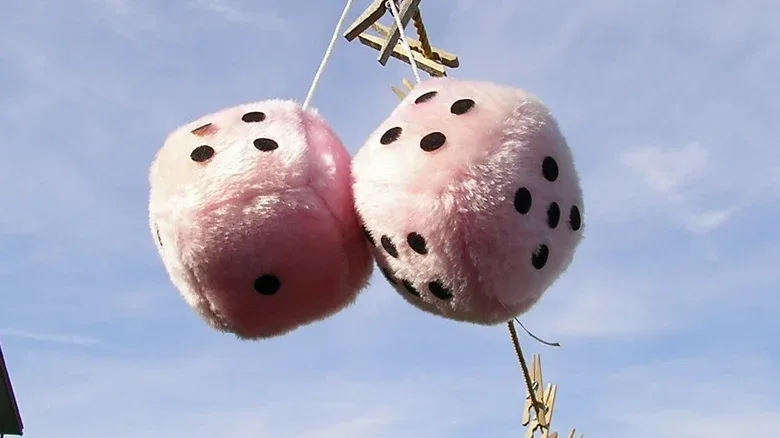
A brief nostalgia-fueled revival in the 1990s saw fuzzy dice return to car shows and collector vehicles, but their original defiance is long gone. Today, they survive mostly as retro decor in dream projects and classic car restorations, a relic of a grittier era of car culture.
📱 Follow our Telegram channel for daily updates
Source: Jalopnik (Auto Culture & Tuning) (jalopnik.com)