🔔 Read us on Telegram — don’t miss the latest automotive news → t.me/motorhub_en
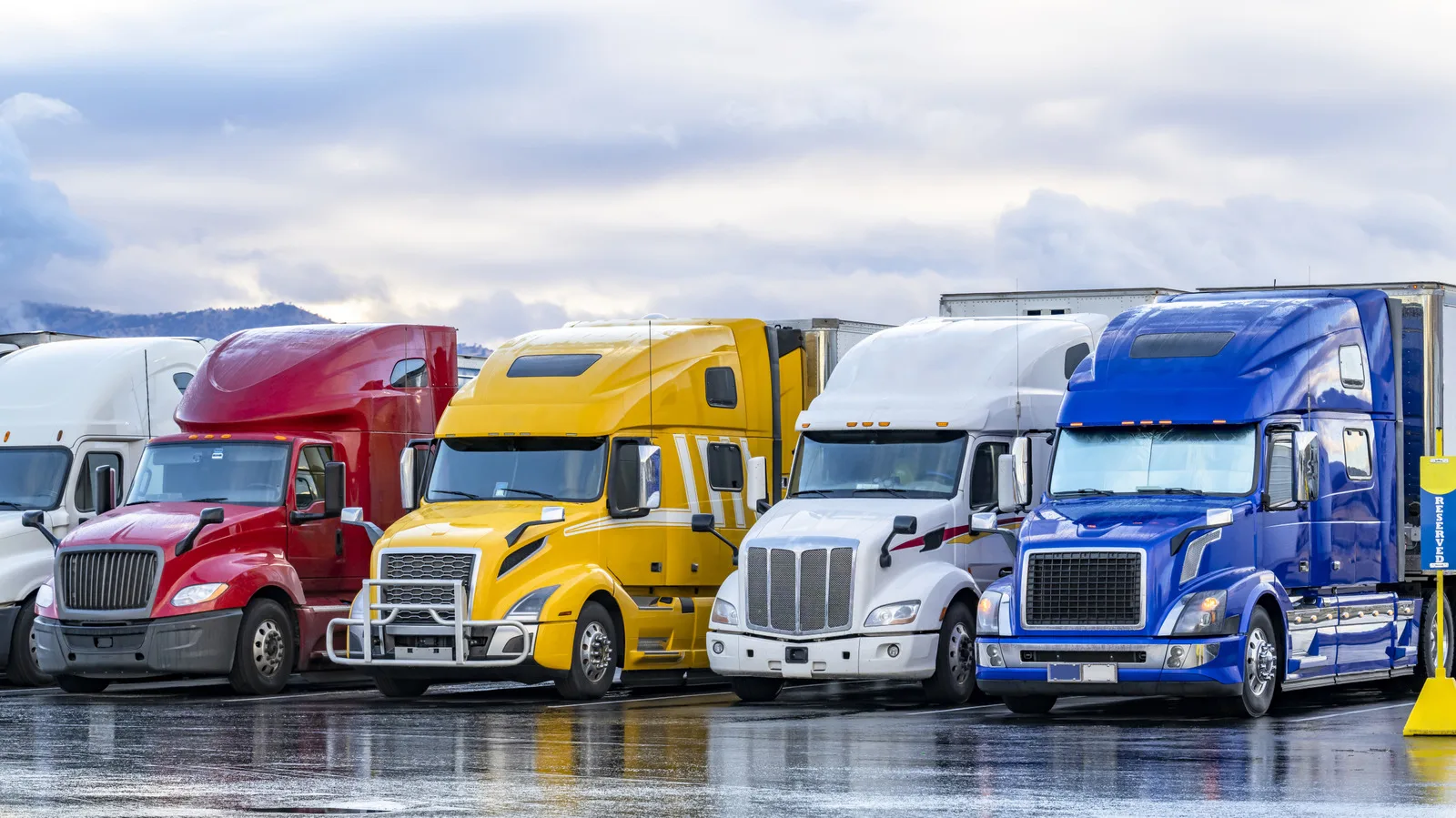
The difference between a semi-truck and a full truck (also called a box truck or straight truck) comes down to how their cargo space is structured. A semi-truck is designed to pull cargo loaded into a separate trailer that’s only partially supported by the towing vehicle, while a full truck has its cargo area built directly into the same frame as the cab. The confusion around the term “semi” stems from history: in 1914, August Charles Fruehauf coined “semi-trailer” because the trailer was only partially supported by the towing vehicle, with two rear wheels but no front axle. This setup, pioneered earlier by Alexander Winton in 1898, became the foundation for modern semi-trucks.
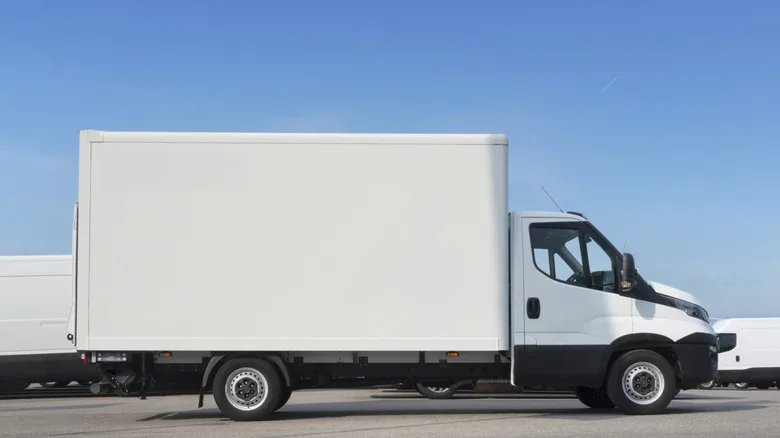
When it comes to hauling capacity, semis generally outperform full trucks. Legal length limits for full trucks vary by state but typically cap out around 40 feet, and they’re usually classified as Class 7 trucks with a gross vehicle weight rating (GVWR) of up to 33,000 pounds. Semis, however, can stretch up to 48–59.5 feet in trailer length, and as Class 8 vehicles, they often support GVWRs exceeding 33,000 pounds—many can haul up to 80,000 pounds combined with the trailer. Full trucks shine in urban environments where maneuverability matters; their smaller size and tighter turning radius make them ideal for local deliveries on surface streets. They’re also cheaper to buy and maintain than semis, and in many cases, you don’t need a commercial driver’s license (CDL) to operate one—just like with RVs, if the truck’s GVWR is under 26,000 pounds, a standard license suffices.
📱 Follow our Telegram channel for daily updates
Source: Jalopnik (Auto Culture & Tuning) (jalopnik.com)