🔔 Read us on Telegram — don’t miss the latest automotive news → t.me/motorhub_en
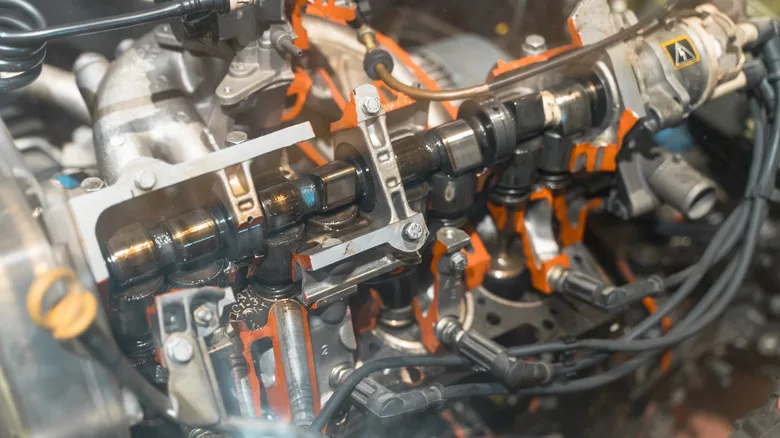
Your car’s engine is a heat-generating beast, and without a properly functioning cooling system, it can turn into a ticking time bomb. Internal combustion engines rely on a closed-loop cooling system that circulates a mix of antifreeze and water—known as coolant—to absorb excess heat, transfer it to the radiator, and keep the engine running at peak efficiency. If that system fails, the consequences are severe: blown head gaskets, warped pistons, damaged thermostats, and catastrophic engine failure. The good news?
Preventing this disaster is as simple as checking your coolant regularly. While many modern coolants are formulated to last multiple years, experts recommend inspecting the coolant level at least once a year. For those who prefer to err on the side of caution—or drive in extreme conditions—checking twice a year is even better. Skipping this routine maintenance could lead to one of the costliest mistakes in car ownership, with engine repairs often running into the thousands and leaving you stranded.
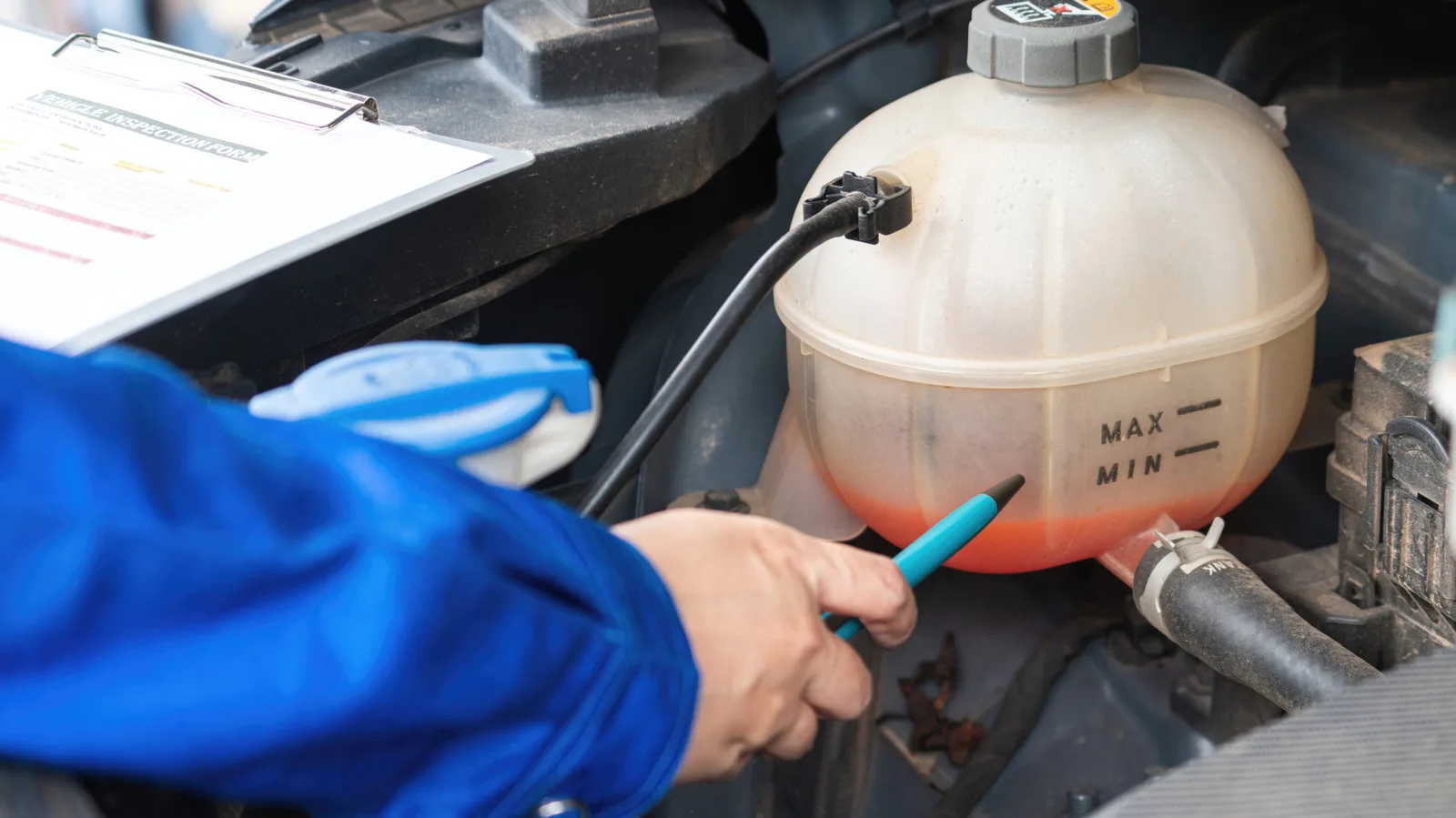
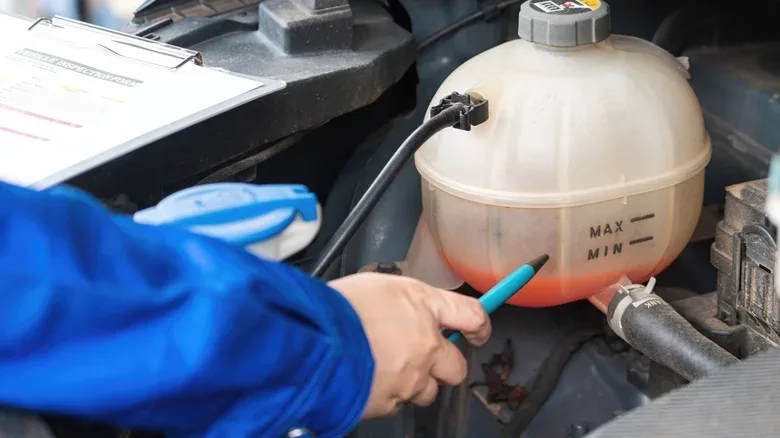
The beauty of a coolant check is that it’s quick, free (if you do it yourself), and requires no special skills. All you need is access to the coolant reservoir, which is typically a translucent plastic tank marked with minimum and maximum fill lines. If you’re unsure where it is, your owner’s manual will point you in the right direction. Before you pop the cap, though, make sure the engine is completely cold.
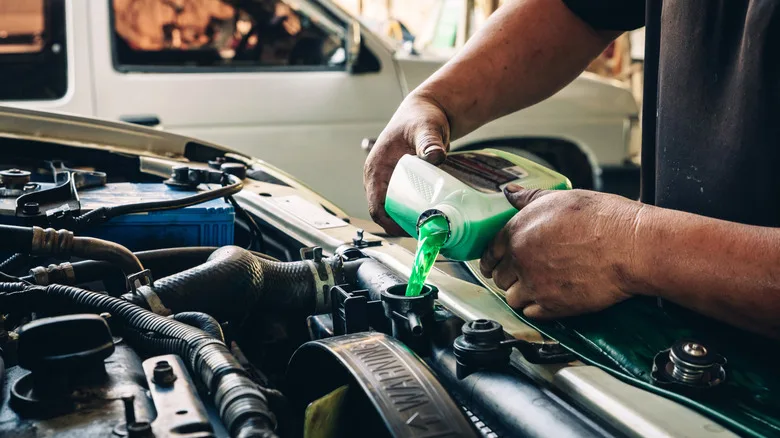
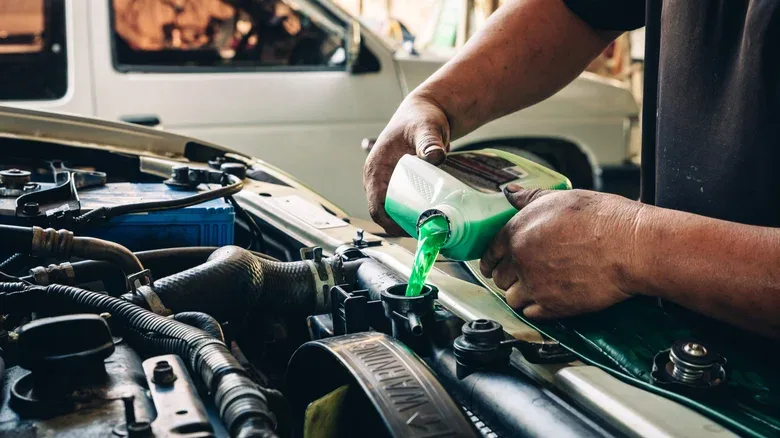
The cooling system becomes pressurized when hot, and opening the reservoir under pressure can result in serious injury from scalding coolant or steam. Once the engine is cool, open the reservoir and visually inspect the coolant level. If it’s low, top it up with the correct type of coolant for your vehicle—pre-mixed or concentrated, depending on your system’s needs. For an extra layer of security, use an antifreeze tester to check the coolant’s freezing and boiling protection levels.
If the test reveals the coolant is degraded or contaminated, it’s time for a full flush and replacement. Proper disposal of old coolant is critical; it’s toxic and cannot be dumped down the drain or thrown in the trash. Instead, take it to an auto shop, service center, or local recycling facility that accepts antifreeze. Even if your car isn’t overheating, regular coolant checks are worth the effort.
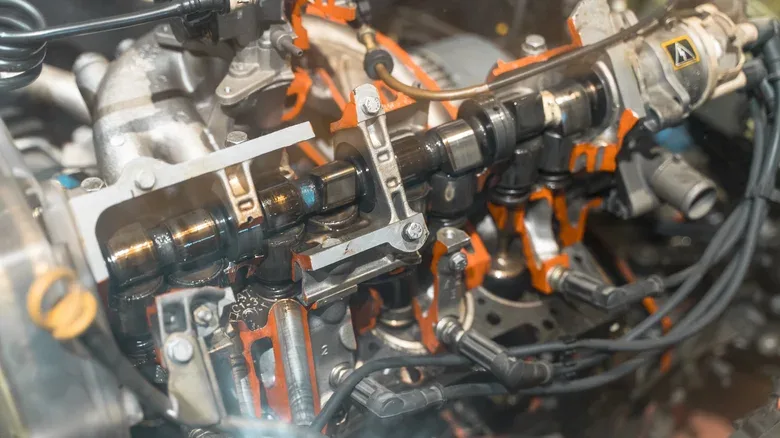
Coolant does more than regulate temperature—it also prevents corrosion and rust inside the engine block, and its antifreeze properties keep the system from freezing in cold climates. In winter, a water-only cooling system would freeze, expand, and potentially crack the engine block. Bottom line: checking your coolant is one of the easiest, most cost-effective ways to protect your engine. Whether you do it yourself or have a mechanic handle it during routine service, the peace of mind is well worth the minimal effort.
📱 Follow our Telegram channel for daily updates
Source: Jalopnik (Auto Culture & Tuning) (jalopnik.com)