🔔 Read us on Telegram — don’t miss the latest automotive news → t.me/motorhub_en
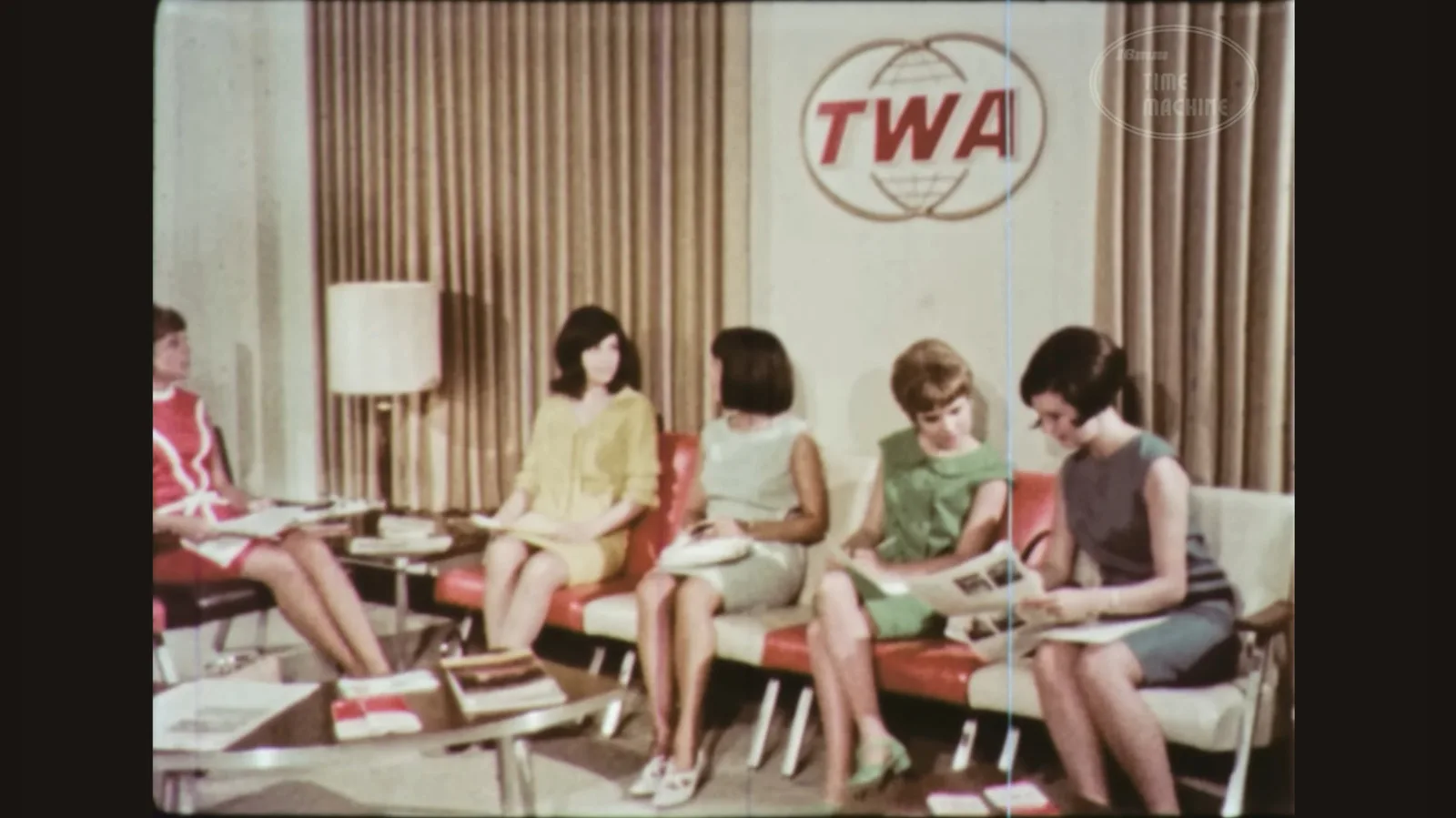
A 1967 recruitment film from Trans World Airlines (TWA) offers a rare, unfiltered glimpse into the rigorous training and polished lifestyle expected of its flight attendants—then called stewardesses—during the 1960s. The footage, restored and shared by YouTuber 16mm Time Machine, skips the usual intro and outro, diving straight into the career path of a TWA stewardess, complete with the era’s outdated norms and progressive policies. The film highlights the Jack Frye Training Center in Kansas City, Missouri, where recruits underwent a five-week “finishing school” program.
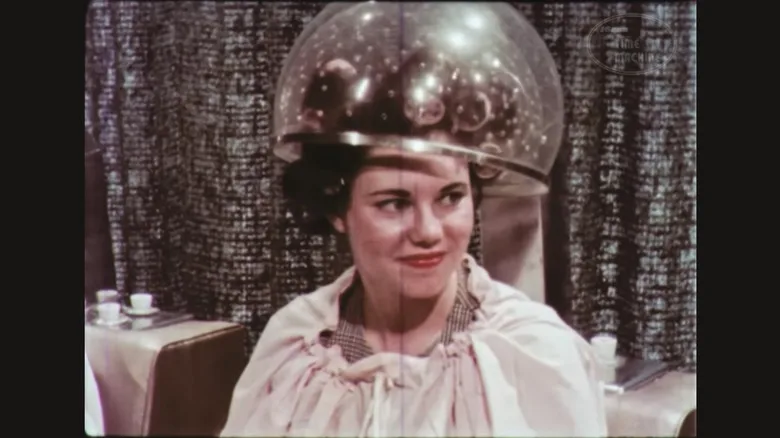
There, they learned self-care, makeup application, posture, walking, coat-carrying techniques, and the art of presenting themselves flawlessly. The training wasn’t just about appearance; it was a structured grooming process designed to mold women into the ideal hosts for the skies. TWA stood out in the 1960s for its progressive stance on hiring married women, a rarity at the time when most airlines enforced strict marital bans.
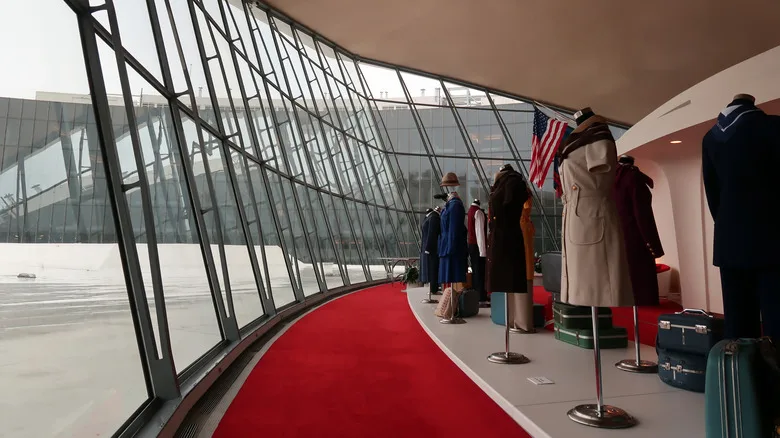
The narrator even casually mentions that a third finger, left hand ring—a symbol of marriage—wouldn’t disqualify an applicant. This policy reflected TWA’s forward-thinking approach, though the film’s tone remains a product of its era, cringe-worthy by today’s standards. The recruitment reel also underscores the stark contrasts of the time.
While TWA allowed married women to serve, other airlines subjected applicants to invasive hiring practices. A former Continental Airlines stewardess recounted undergoing a pelvic exam during her interview process in the early 1960s to ensure she hadn’t been pregnant. TWA’s interviews were less extreme but still probed personal habits, including alcohol consumption and daily coffee intake.
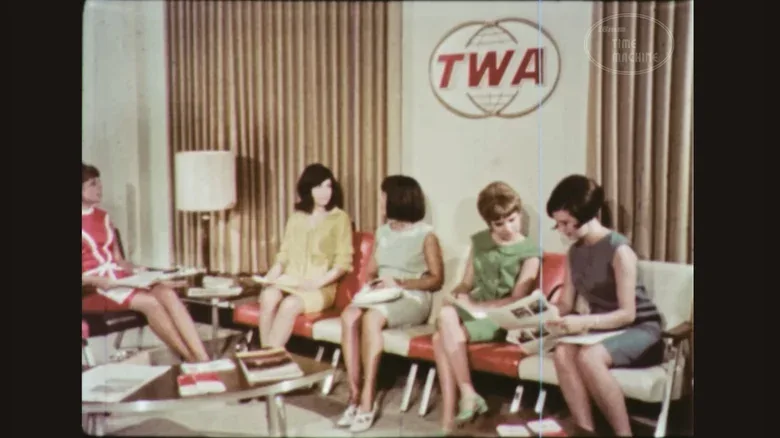
The Jack Frye Training Center experience was a mix of empowerment and indoctrination. Recruits received makeovers, wardrobe guidance, and etiquette lessons, all aimed at creating a uniform, polished image. The film’s portrayal of the career path—whether as a flight attendant or transitioning into an office role or marriage—captures the limited options available to women at the time.
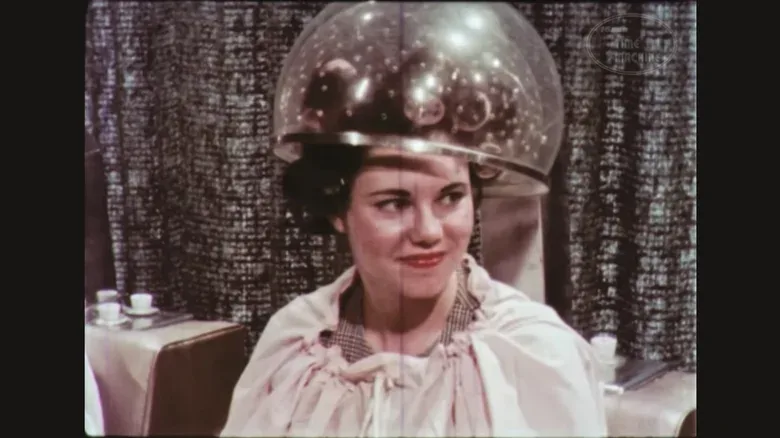
Flight attendants today enjoy far greater freedoms, thanks to decades of advocacy and union efforts, including a notable 72-day strike by TWA flight attendants in the 1980s. Modern flight crews are more diverse, judged less on appearance, and no longer sidelined for having children. Yet, the job remains grueling, with attendants often facing extreme passenger behavior.
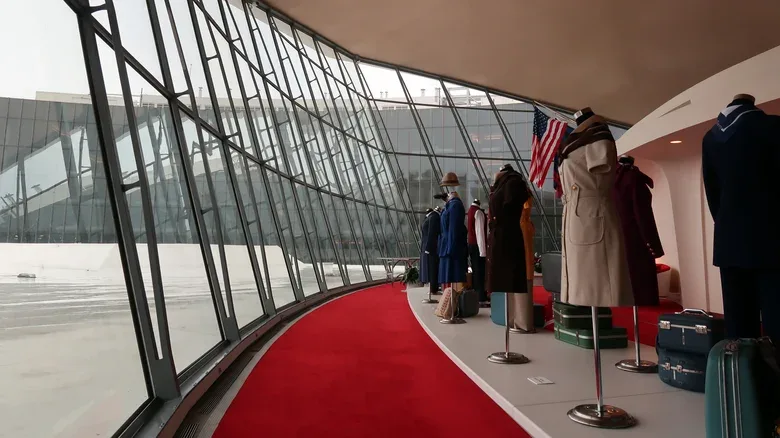
The film serves as a time capsule, reflecting both the progress made in workplace equality and the lingering remnants of outdated societal norms. While some industries still emphasize appearance in public-facing roles—think news anchors—discriminatory practices have largely moved underground. The film’s release coincides with ongoing debates over women’s rights, underscoring how far society has come and how much further it still needs to go.
📱 Follow our Telegram channel for daily updates
Source: Jalopnik (Auto Culture & Tuning) (jalopnik.com)