
🔔 Read us on Telegram — don’t miss the latest automotive news → t.me/motorhub_en
Inflation has tightened wallets, pushing drivers to slash expenses wherever possible—including car insurance. But slashing premiums to the bare minimum can backfire spectacularly. Here’s why opting for pricier coverage often makes financial sense.

1. **Lower deductibles = less out-of-pocket pain**
The cheapest policies usually come with sky-high deductibles—often $2,000 or more. If you crash into a luxury car or total your own, you’ll owe the first $2,000 (or more) before insurance kicks in. That’s a bill many can’t afford. Raising your premium slightly can slash deductibles to $500 or even zero over time with “vanishing deductible” programs, where insurers chip away at your deductible for every claim-free year.

2. **State minimums leave you exposed**
Most states require only the bare legal minimum for liability coverage—often just $10,000 for property damage and $10,000 for personal injury. But the average accident costs between $5,000 and $60,000. If you total a $40,000 SUV and cause $30,000 in injuries, your $10,000 policy leaves you on the hook for $30,000. Experts recommend at least $100,000 per person and $300,000 per accident for personal injury, plus $250,000/$500,000 for property damage.

3. **Uninsured drivers are everywhere**
Nearly 20% of Florida drivers, for example, flout the law and drive without insurance. Even if they’re insured, many carry only state minimums. If they hit you and total your car or rack up medical bills, their policy might cover peanuts—leaving you to chase a deadbeat in court. Uninsured/underinsured motorist coverage bridges the gap, with experts recommending limits mirroring your liability coverage ($100K/$300K to $250K/$500K).
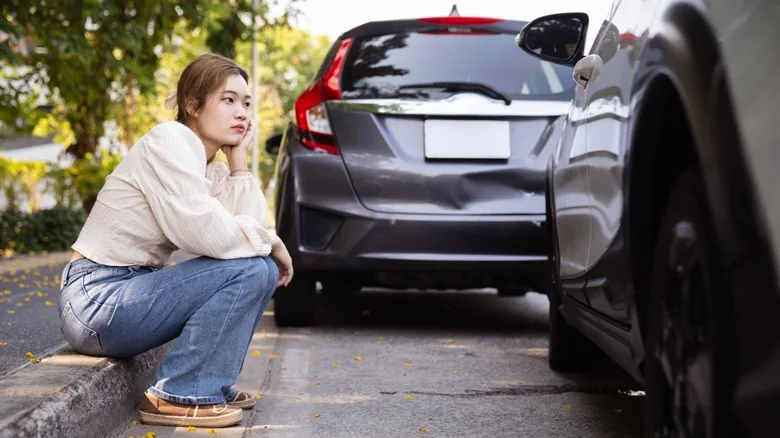
4. **Gap insurance protects you from depreciation**
If you’re still paying off a car loan and it’s totaled, your insurer typically pays the depreciated value—not the remaining loan balance. That shortfall can leave you stuck with thousands in debt. Gap insurance covers the difference between what you owe and what the car’s worth, preventing financial ruin.
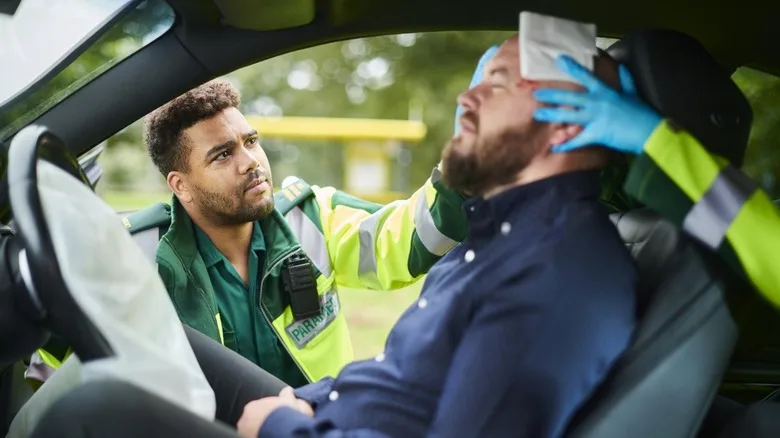
5. **Optional add-ons save big in a crisis**
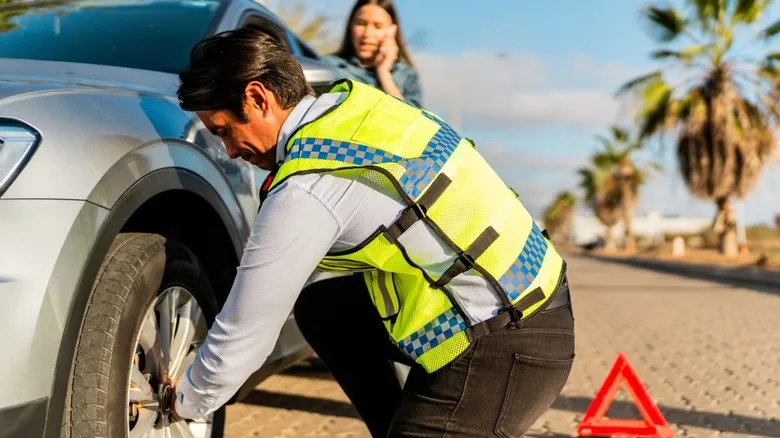
Rental reimbursement, roadside assistance, and accident forgiveness sound like upsells, but they’re lifelines when disaster strikes. A single day without a car after an accident can cost hundreds in rentals or rideshares. For a few extra dollars a month, these perks turn a nightmare into a manageable setback.
Bottom line: Cheap insurance isn’t always smart insurance. The sting of higher premiums pales next to the financial gut-punch of uncovered repairs, lawsuits, or totaled cars. Review your policy with a fine-tooth comb—your future self will thank you.



📱 Follow our Telegram channel for daily updates
Source: Jalopnik (Auto Culture & Tuning) (jalopnik.com)