🔔 Read us on Telegram — don’t miss the latest automotive news → t.me/motorhub_en
The 1950s were a brutal era for motorsports, defined by soaring speeds, packed grandstands, and virtually nonexistent safety standards. The 1955 Le Mans disaster—where a factory-backed Mercedes-Benz 300SLR plowed into spectators, killing 84 people—marked a turning point. By the mid-1950s, 15 Formula 1 drivers had died behind the wheel, and NASCAR’s death toll was climbing. Public outrage peaked, and automakers, fearing government crackdowns, faced a reckoning.
The final straw came with the 1957 Mille Miglia crash involving Marquis de Portago’s Ferrari, which killed him, his co-driver Edmund Nelson, and nine spectators—a tragedy later dramatized in Michael Mann’s 2023 film *Ferrari*. The Automobile Manufacturers Association responded with a sweeping voluntary ban on racing, effective July 1, 1957. The agreement forced its members to scrub any performance-related promotions from advertising, effectively severing factory-backed racing overnight. The ban was a direct response to public pressure and congressional threats to legislate automakers out of the sport entirely.
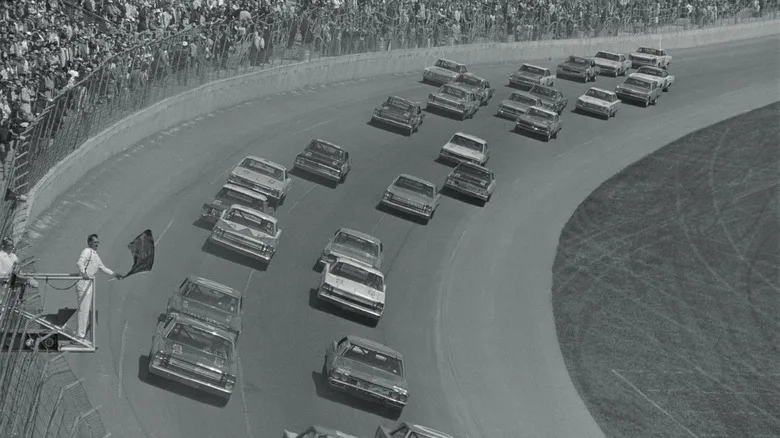
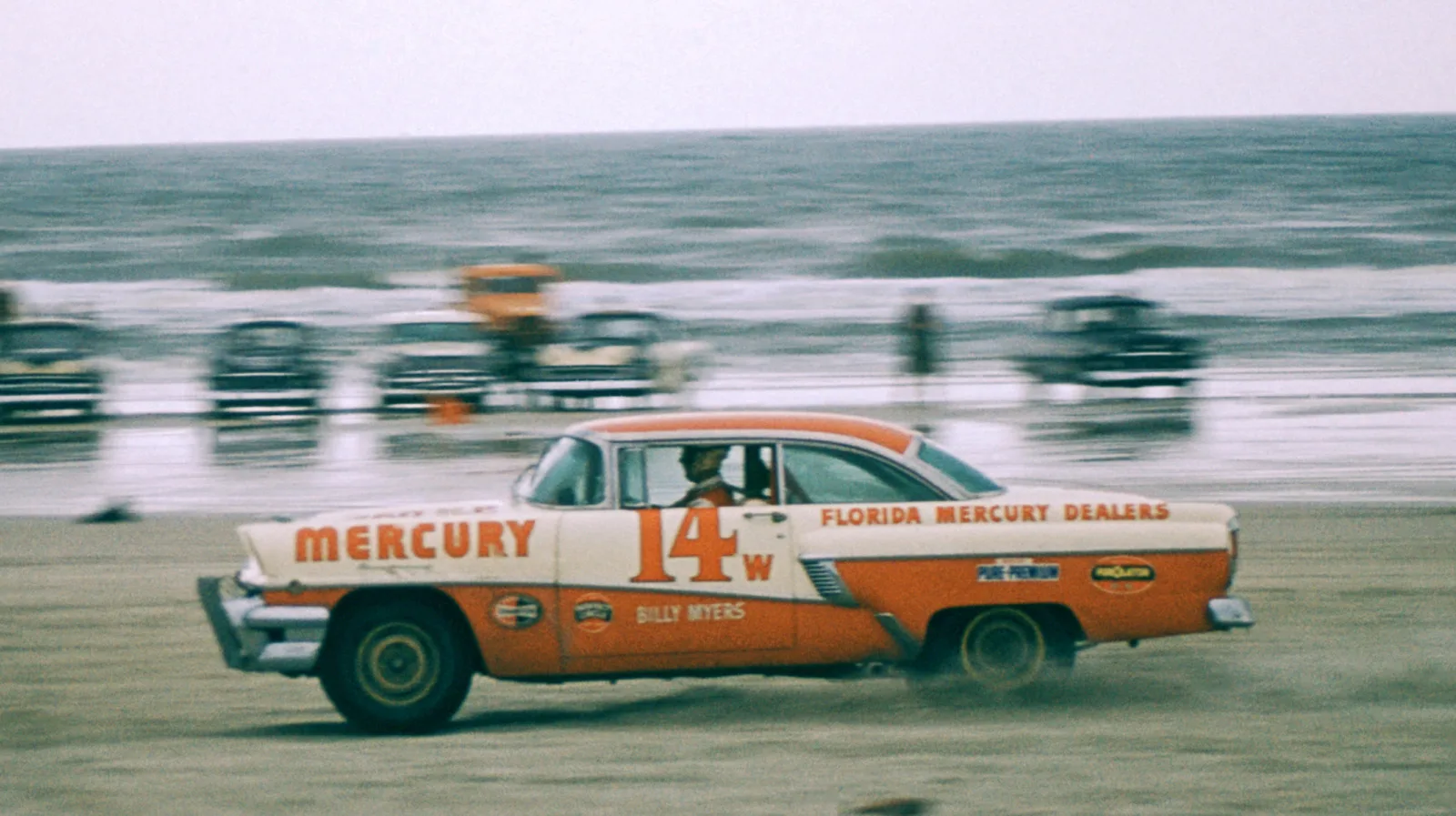
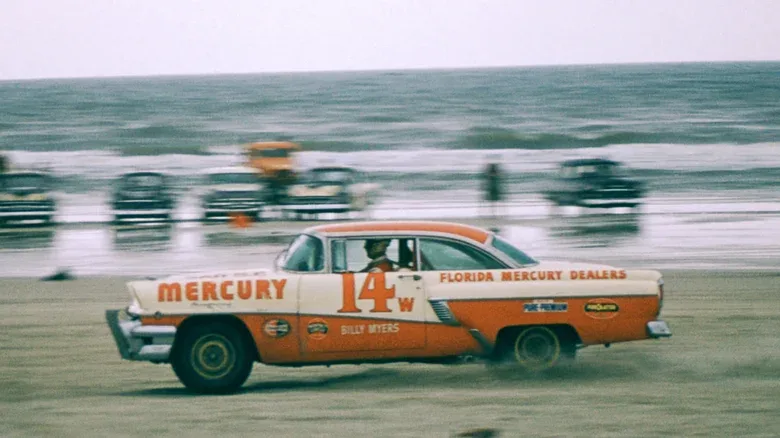
Chrysler’s dominance in NASCAR during 1956—with drivers like Tim Flock, Buck Baker, and Herb Thomas propelling the high-performance 300 sedan to record sales—had proven that speed sold cars. But the political climate had shifted decisively against racing. With factory coffers closed, NASCAR’s private teams lost critical support. Experimental go-fast parts like superchargers, fuel injection, and multi-carburetor setups were suddenly off-limits, slashing operating budgets and participation.
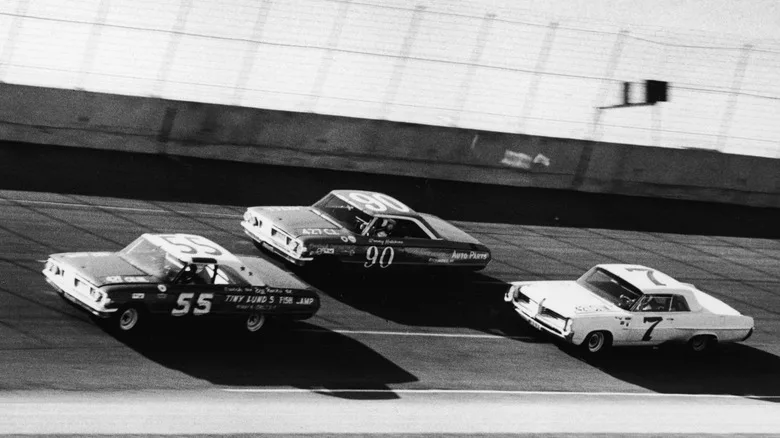
The sport’s momentum stalled, regressing to pre-factory-support days. The golden era of “win on Sunday, sell on Monday” was over—at least officially. Behind the scenes, the Big Three automakers—Ford, General Motors, and Chrysler—kept their racing programs alive through clandestine support. NASCAR legends like Smokey Yunick (with his infamous “hot vapor” engine), Bunky Knudsen, Bill Stroppe, Bud Moore, Holman-Moody, the Wood Brothers, and the Petty family all received covert factory backing.
These deals were done in the shadows, but the results spoke for themselves. Buck Baker, for instance, won his second consecutive NASCAR title in 1957, taking 10 of 40 races. American Motors Corporation (AMC), however, played by the rules. The company launched an ad campaign declaring, “The only race Rambler cares about is the human race!” But the absence of AMC from the track came at a cost.
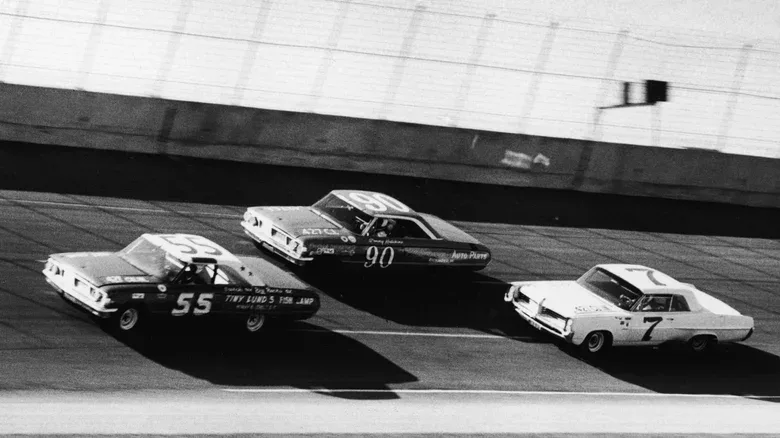
Despite likely fielding the fastest car in its class, AMC’s sales plummeted as consumers gravitated toward brands with visible racing pedigrees. By the early 1960s, the ban’s credibility had eroded. Ford, under Henry Ford II, declared the agreement obsolete in June 1962, citing widespread violations by other automakers. The company launched its *Total Performance* program and re-entered racing with full force.
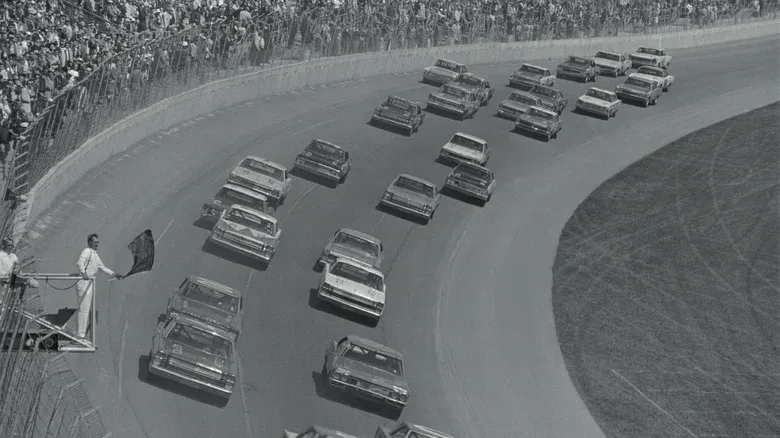
Chrysler followed suit, while General Motors—though still publicly adhering to the ban—quietly funneled engineering talent into performance street cars. Pontiac’s GTO, Chevelle SS 396, and later the big-block Camaro and Corvette became icons of the era, embodying GM’s hidden racing DNA. By the late 1960s, even AMC and GM had returned to the track, marking the end of a dark chapter in American motorsports. The racing ban had failed to kill the spirit of competition—it only drove it underground, setting the stage for the muscle car revolution and a new golden age of American racing.
📱 Follow our Telegram channel for daily updates
Source: Jalopnik (Auto Culture & Tuning) (jalopnik.com)