
🔔 Read us on Telegram — don’t miss the latest automotive news → t.me/motorhub_en
Nvidia is expanding its push into autonomous driving across Europe by uniting various autonomy projects under a shared technical and safety foundation. During an event in Berlin, the company showcased alongside partners such as Volvo, Mercedes-Benz, Volkswagen Commercial Vehicles, Bolt, Lucid, and Einride how widely the Hyperion platform is planned for use in robotaxis, vans, and trucks. At the core of this initiative is Nvidia’s Hyperion platform, which combines a standardized package of computers and sensors that manufacturers can pair either with the company’s proprietary Alpamayo stack or with their own software. This blend of uniform hardware and variable software is designed to simplify the deployment of autonomous systems across larger fleets. Bolt plans to utilize the Alpamayo stack for its European robotaxi program, initially in conjunction with future Lucid vehicles based on the Hyperion architecture.
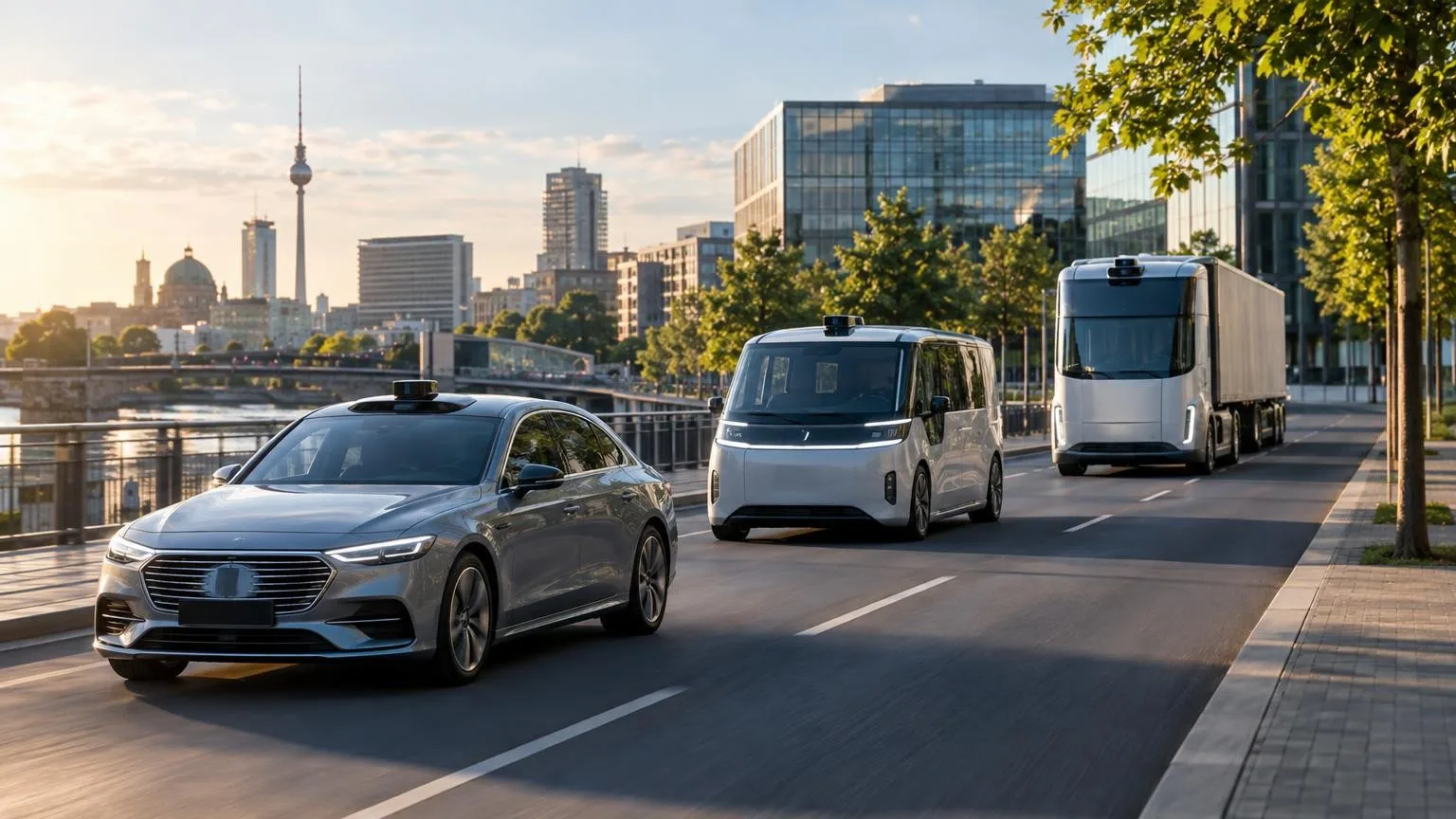
The target is set for at least 25,000 Level 4-capable Lucid models in Europe. Data collection is scheduled to begin in 2027 in Madrid, pending regulatory approval, followed by launches in Germany once operations in Madrid prove successful. Mercedes-Benz is further expanding its work with Hyperion and Alpamayo toward Level 3 and Level 4 capabilities. Volkswagen Commercial Vehicles presented an autonomous ID. Buzz AD platform built on the same technical foundation in Berlin.
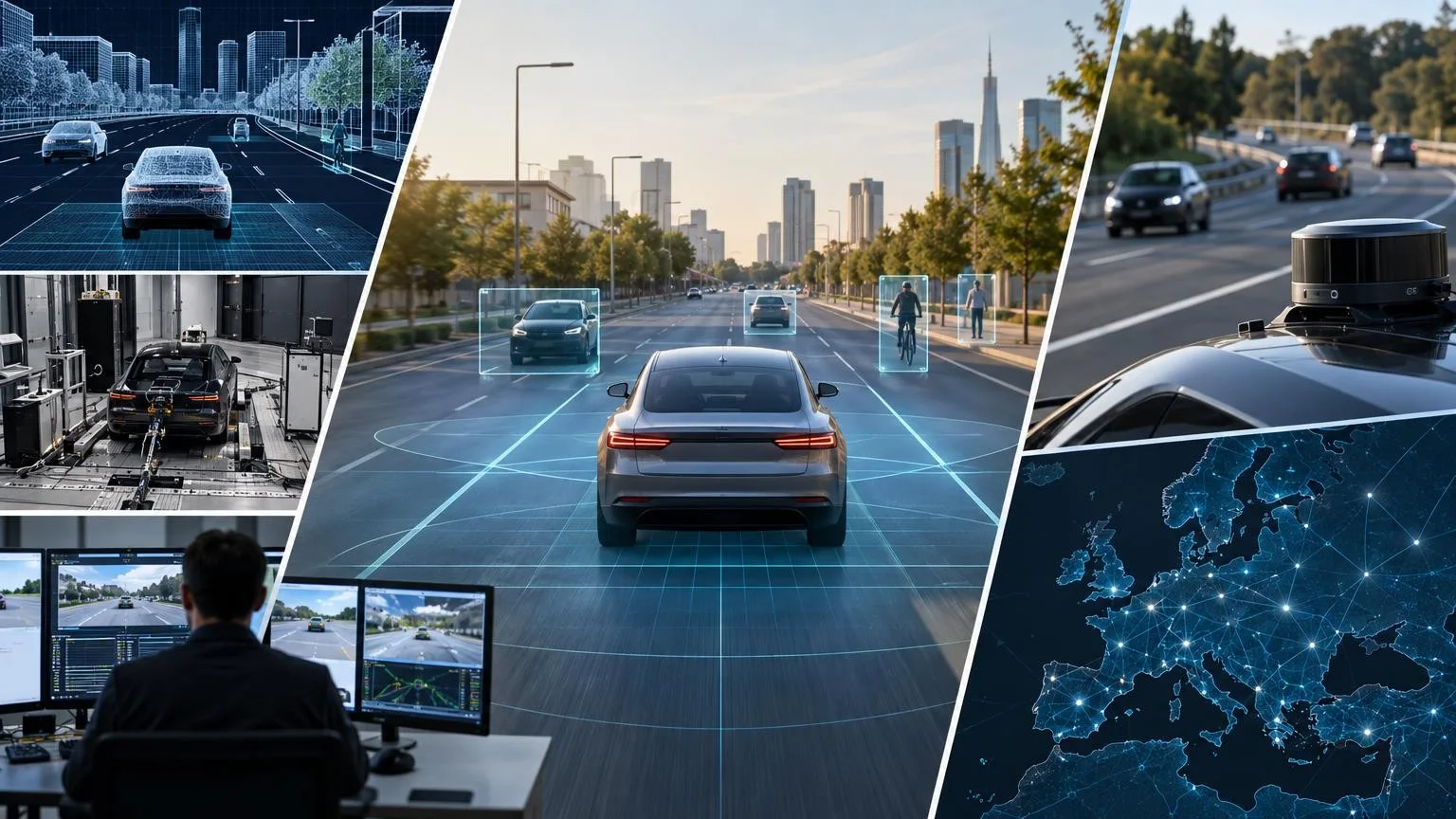
Volvo Cars is likewise relying on Hyperion and Alpamayo for future vehicles capable of handling complex door-to-door routes. Einride is implementing Hyperion for the next generation of its Einride Driver software powering autonomous freight trucks, integrating Halos, Alpamayo, and Nvidia’s Cosmos world models for training and validation. None of these projects are currently operating as fully commercial services on public roads, with the primary focus remaining on development, testing, and upcoming launches that still require regulatory clearance. To bolster safety, Nvidia introduced Halos Safe, expanding its safety framework for driver assistance and autonomous systems. The system integrates simulations, software- and hardware-in-the-loop testing, public road trials, and ongoing fleet monitoring to provide traceable safety validation for partners and authorities.
These evaluation workflows were jointly developed with dSpace, IVEX, and TÜV Rheinland, with additional members of the Halos Safe group including Volvo Cars, Mercedes-Benz, Jaguar Land Rover, AVL, and Synopsys. The setup is engineered for applications ranging from Level 2 active safety to Level 4 robotaxi services, giving authorities a uniform validation method as programs transition from test tracks to public roads, starting in Madrid before expanding to key markets like Germany.
📱 Follow our Telegram channel for daily updates
Source: Tuningblog