🔔 Read us on Telegram — don’t miss the latest automotive news → t.me/motorhub_en
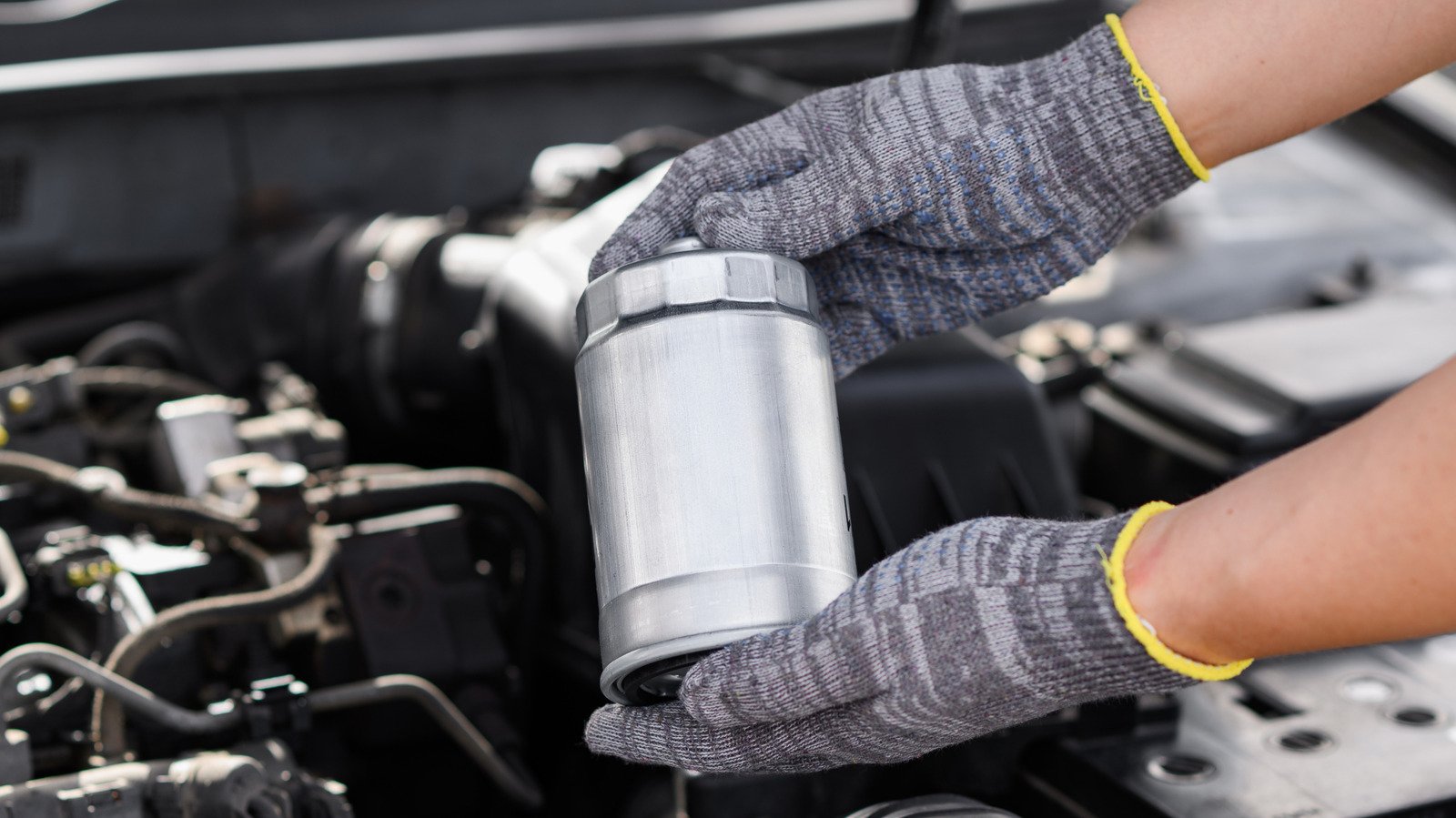
Diesel engines often run two fuel filters to protect their high-pressure fuel systems from contaminants, while gasoline engines typically use just one. The reason? Diesel fuel systems operate at extreme pressures—between 10,000 and 30,000 psi—far exceeding the 10 to 60 psi range of gasoline injectors.
Even microscopic debris can wreck injectors, pumps, and fuel lines under such conditions, so diesels rely on dual filtration: a primary filter (10–15 microns) near the tank to catch larger particles, and a secondary filter (3–5 microns) near the engine to ensure ultra-clean fuel reaches the injectors. Gasoline engines, by contrast, spray fuel at much lower pressures and can tolerate dirtier fuel without immediate failure. Diesel fuel’s thicker, denser composition also demands finer filtration to prevent wax and asphaltene buildup, which can clog filters and disrupt combustion.
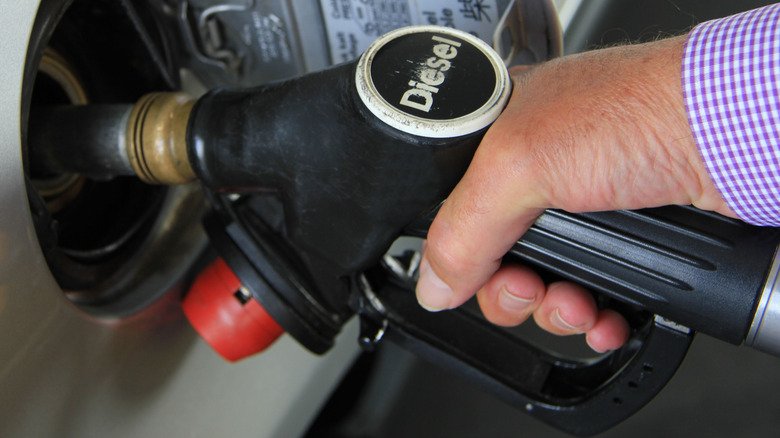
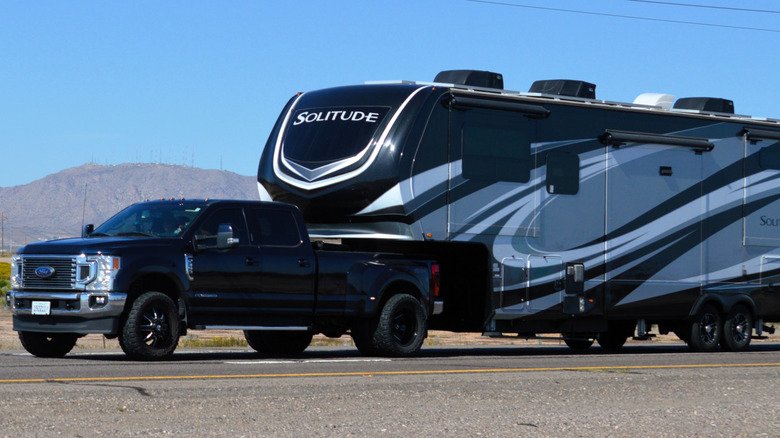
Signs your diesel’s filters need replacing include rough idling, excessive vibration, unusual noises, or hard starting. Most manufacturers recommend swapping filters every 10,000 to 15,000 miles, though heavy-duty or high-mileage diesels may need more frequent changes. While diesel engines are robust and torque-rich—ideal for towing and hauling—they’re also pricier to maintain than gasoline counterparts, making filter upkeep a critical (and often costly) part of ownership.
📱 Follow our Telegram channel for daily updates
Source: Jalopnik (Auto Culture & Tuning)
Source: Jalopnik (Auto Culture & Tuning) (jalopnik.com)