
🔔 Read us on Telegram — don’t miss the latest automotive news → t.me/motorhub_en
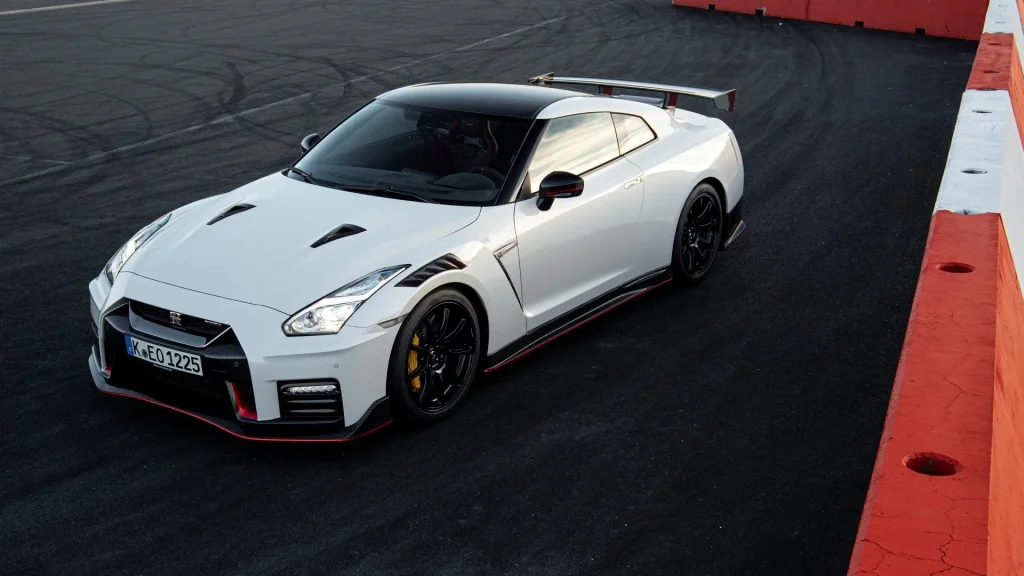
The V6 engine has powered everything from daily sedans and SUVs to legendary enthusiast favorites like the Buick GNX and the R35 Nissan GT-R. Yet, despite its widespread use, the V6 commands very few actual defenders in the car community. A recent YouTube video by The Drive explores why this layout suffers from a deep image problem, tracing its roots back to engineering compromises. While Lancia introduced the first mass-production V6 in the 1950 Aurelia using a refined 60-degree V-angle, the true mainstream V6 story began in 1962 when General Motors’ Buick division lopped two cylinders off a V8 to create the Fireball V6. Designed primarily to save engineering costs, this engine ignored the inherent roughness of adapting a 90-degree V8 block to a V6 layout with an odd number of cylinders in each bank. Later, bespoke 60-degree V6 engines became more compact, power-dense, and refined, helping them dominate transverse front-wheel-drive platforms. However, association with models like the 1980 Chevrolet Citation—which suffered an utter failure in the marketplace—cemented the V6’s reputation as a tool for downsizing and economizing, standing in stark contrast to the golden age of V8 rear-wheel-drive performance. Even legendary high-performance V6s like the R35’s VR38DETT or the second-generation Ford GT’s EcoBoost rely heavily on turbocharging. Meanwhile, clean-sheet designs like the Maserati Nettuno featuring F1-style pre-chamber ignition for the MC20 supercar, now the MC Pura, were met with indifference. Even in the half-ton truck sector, where V6 options often offer top capability, automakers are bringing V8s back purely for aesthetic reasons due to the uncool image of the V6. Ultimately, the animosity toward V6 engines is not entirely rational, but stems from the ongoing clash between enthusiast passion and corporate dispassion.
📱 Follow our Telegram channel for daily updates
Source: The Drive