🔔 Read us on Telegram — don’t miss the latest automotive news → t.me/motorhub_en
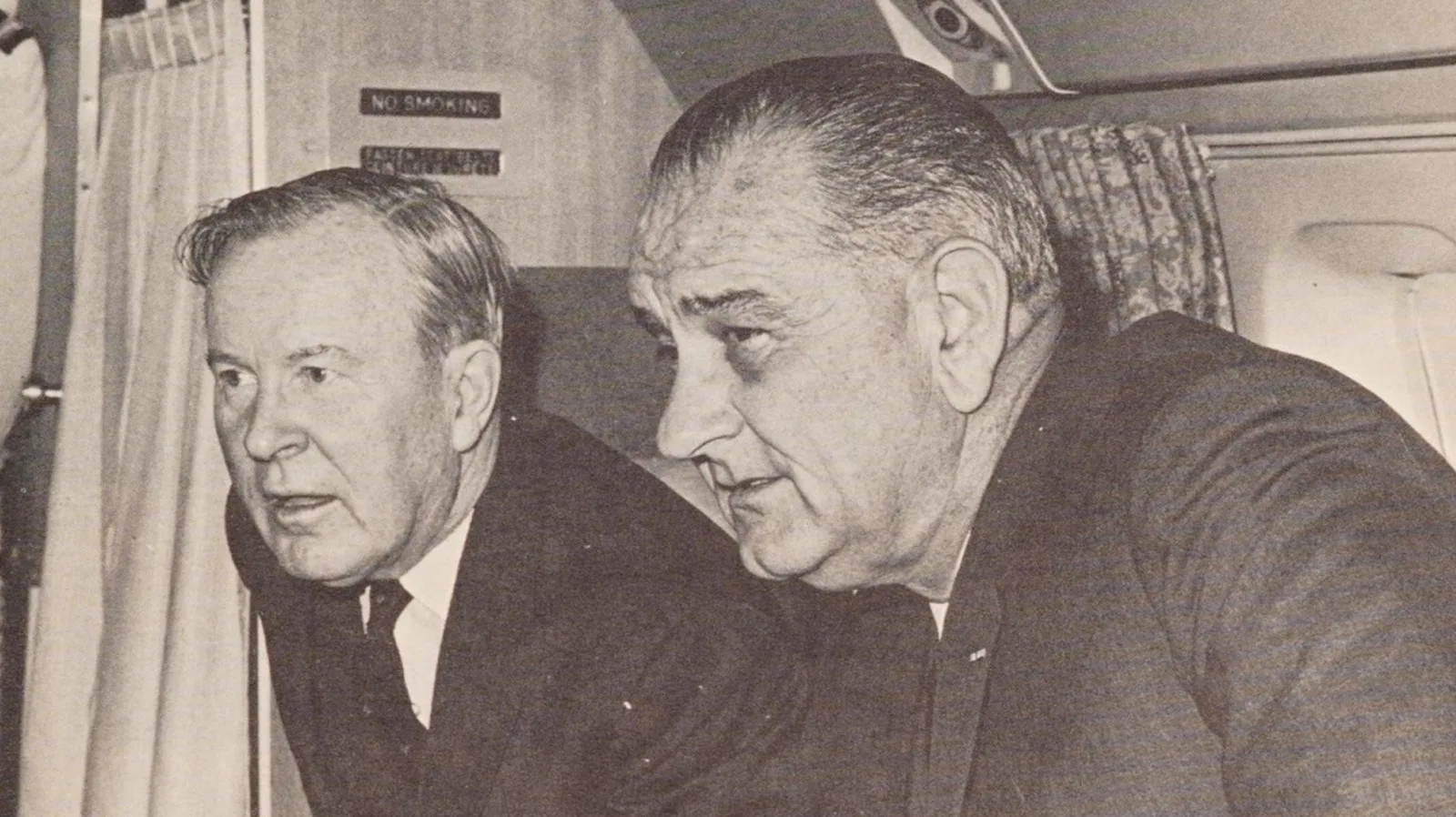
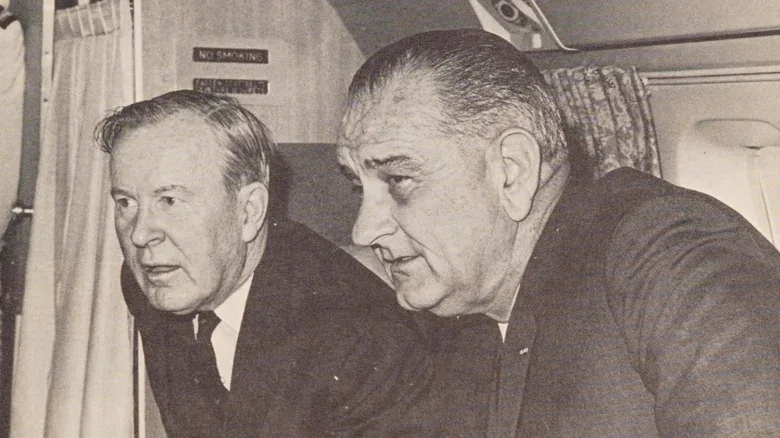
Before 1965, Canada’s auto industry was little more than a branch-plant economy for the U.S. Big Three. Parts and vehicles were built in America, shipped north for assembly, and profits flowed back south. By 1963, Canada’s automotive trade deficit had ballooned to $580 million, exposing the one-sided nature of the relationship. The Canadian government, led by economist Vincent Bladen, sought a middle path—avoiding both full free trade and aggressive tariffs that risked provoking the U.S. industrial machine. The solution came in the form of the Automotive Products Trade Agreement, or Auto Pact, signed in 1965 by Canadian Prime Minister Lester Pearson and U.S. President Lyndon Johnson. This landmark deal slashed tariffs on cars and parts moving between the two countries, but it wasn’t pure free trade.

It imposed strict conditions: manufacturers had to meet Canadian content requirements for vehicles sold in Canada, maintain production levels at or above 1964 figures, and invest $260 million in Canadian operations. Crucially, the pact applied only to existing automakers—effectively locking in the dominance of the Big Three (GM, Ford, and Chrysler) from the start. The results were immediate and transformative. By removing trade barriers while enforcing content rules, the Auto Pact made Canadian operations profitable for the Big Three, turning Canada into a critical node in North American auto production. Production and wages surged. By 1969, GM’s Oshawa plant alone churned out nearly 500,000 vehicles—100,000 more than the entire Canadian industry had produced a decade earlier. Canada flipped from a net importer to a net exporter of automotive products. The pact also forced a continental rationalization of production.
Canadian factories specialized in specific models or components, feeding into a unified North American supply chain. Efficiency skyrocketed, and the auto industry became Canada’s most valuable sector, buoyed by rising wages and job creation. Yet the deal was deeply unpopular in the U.S., where critics argued it handed Canada an unfair advantage by guaranteeing production levels and content requirements that American plants didn’t face. In Canada, the lucrative industry remained firmly under Big Three control. Canadian operations functioned as integrated branches of a continental system, not as independent manufacturers. The Auto Pact lasted 36 years—until the World Trade Organization ruled it illegal in 2001, declaring its content and production mandates a violation of global trade rules. Since then, Canada’s auto sector has faced ongoing turbulence, including trade wars threatening to shutter plants. But the continental integration forged by the pact didn’t vanish with its demise.
The production networks, supply chains, and cross-border dependencies it created still underpin North American auto manufacturing today.
📱 Follow our Telegram channel for daily updates
Source: Jalopnik