🔔 Read us on Telegram — don’t miss the latest automotive news → t.me/motorhub_en
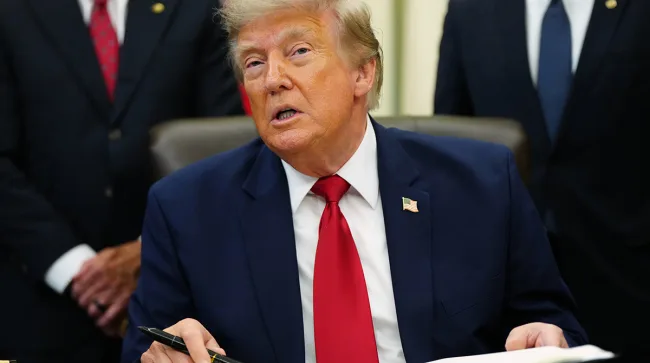
The U.S. is struggling to force Iran to fully reopen the Strait of Hormuz, a critical chokepoint through which roughly 20% of the world’s oil normally flows. Despite President Donald Trump’s aggressive tactics—including airstrikes, naval blockades, and threats—restoring prewar shipping levels will likely require a far larger U.S. naval presence or even tens of thousands of ground troops on Iranian soil, experts warn. Iran’s dispersed drone and missile networks, along with its asymmetric warfare tactics, allow it to disrupt shipping with minimal exposure, making the strait a persistent flashpoint. “Iran has been preparing for this type of asymmetric conflict for decades,” said Jason H. Campbell, a senior fellow at the Middle East Institute and former Pentagon official. “They have the ability to completely disrupt the Strait of Hormuz.” Trump announced on July 13 that the U.S. is reimposing its blockade on Iran’s ports and will charge other ships for safe passage through the strait, escalating tensions that have already seen skirmishes between the two sides. Iran has insisted it controls the waterway, while commercial shipping remains stifled and oil prices rise. The conflict’s unpopularity among Americans could also impact the upcoming midterm elections, with high gas prices adding to public frustration. Securing the strait could require ground troops, Campbell noted, as Iran’s military units operate without centralized orders and are spread across the country, making airstrikes ineffective. “It’s very difficult to envision any scenario where you could satisfactorily secure the Strait of Hormuz absent ground forces,” he said. Such an operation would involve tens of thousands of troops to eliminate hidden munitions, secure coastal and inland areas, and counter insurgent attacks—costing billions and taking months to deploy. Trump has claimed progress in degrading Iran’s capabilities, but Iran has vowed to retaliate against any U.S. interference. Another potential solution is expanding U.S. naval escorts for civilian vessels, a tactic used in the 1980s when the U.S. supported Iraq in its war with Iran. However, today’s U.S. fleet is smaller, and Iran’s advanced drone and missile capabilities make the environment far more complex. “You’d still need a very large chunk of the U.S. fleet being dedicated to this on an open-ended basis,” said Michael Eisenstadt, director of the Military and Security Studies Program at the Washington Institute for Near East Policy. The risks of U.S. casualties and escalating costs rise with any increased military presence, leaving the Biden administration—or Trump, if re-elected—in a precarious position as they weigh the economic and political fallout of further confrontation.
📱 Follow our Telegram channel for daily updates
Source: Transport Topics — Michelin & Tires (EN) (ttnews.com)