🔔 Read us on Telegram — don’t miss the latest automotive news → t.me/motorhub_en
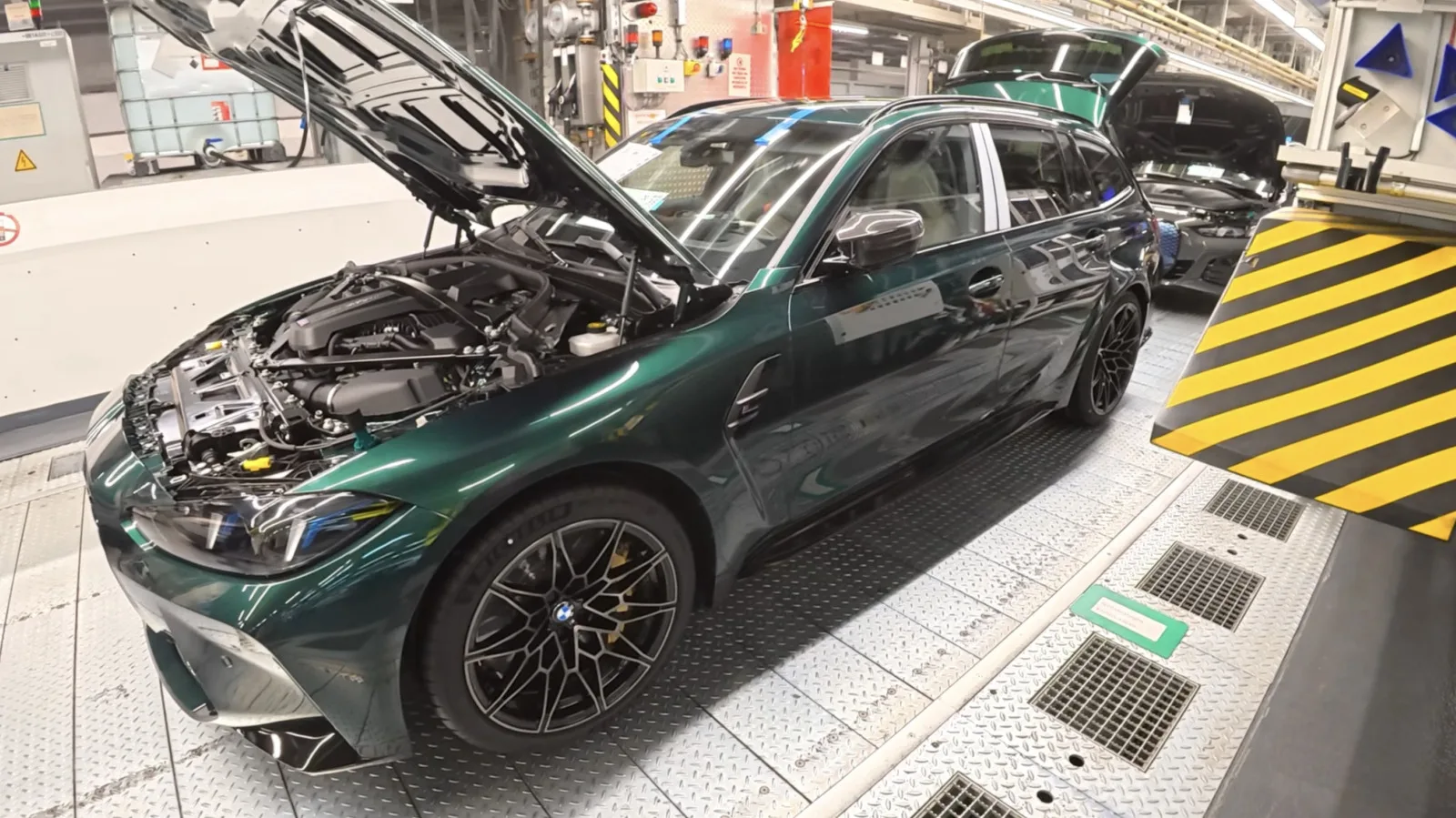
Modern car manufacturing is a ballet of precision and brute force, a process so intricate it borders on the absurd. Every new car rolling off the line is the result of thousands of parts, hundreds of workers, and a production line that moves with the rhythm of a Swiss watch—if the watch were made of steel and weighed two tons. The BMW M3 Touring’s journey from bare metal to rolling masterpiece is a masterclass in controlled chaos, a 40-hour odyssey that turns 400 individual panels and 6,000 spot welds into a drivable work of art.
The process begins with stamping, where raw metal is hammered into shape, forming the skeleton of the car. These panels are then welded into a cohesive shell, a process that turns a pile of parts into a rigid structure capable of surviving crashes and potholes alike. The shell is painted, but not before workers strip out the doors to install rubber seals and soundproofing—a step that ensures the cabin is as quiet as a library, even at highway speeds.
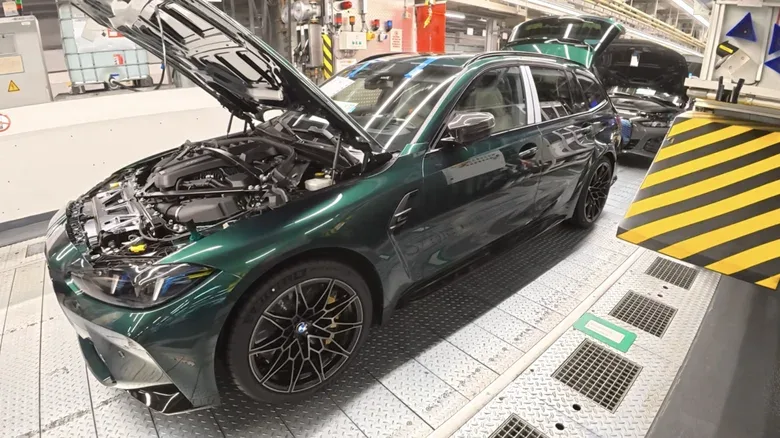
Next comes the wiring harness, a labyrinth of wires and connectors that acts as the car’s nervous system. Workers snake this tangle through the body’s nooks and crannies, connecting sensors, computers, and actuators that will one day make the car semi-autonomous. The interior takes shape next, with the roof liner, speakers, carpets, and pedal box installed in a sequence that feels less like assembly and more like performing surgery with a power drill. The dashboard, a pre-assembled module, is lifted into place with robotic assistance, followed by the rear windshield and center console.
The marriage process is where the magic happens. The engine, transmission, and subframe are lowered into the shell in one fluid motion, a ballet of hydraulics and human hands. Coolant lines, electronics, and exhaust components are bolted into place, each connection a potential failure point if done wrong. Quality checks are performed at every stage, ensuring no bolt is loose, no wire is pinched, and no panel is misaligned.
Finally, the wheels and tires are mounted, the car is filled with fuel, and it’s rolled onto a dyno for final testing. The entire operation, from the first stamp to the last bolt, takes 40 hours—a blink of an eye for a machine that will likely outlive its owners. Watching it unfold is a humbling reminder that the cars we take for granted are, in reality, miracles of modern engineering.
📱 Follow our Telegram channel for daily updates
Source: Jalopnik (Auto Culture & Tuning) (jalopnik.com)