🔔 Read us on Telegram — don’t miss the latest automotive news → t.me/motorhub_en
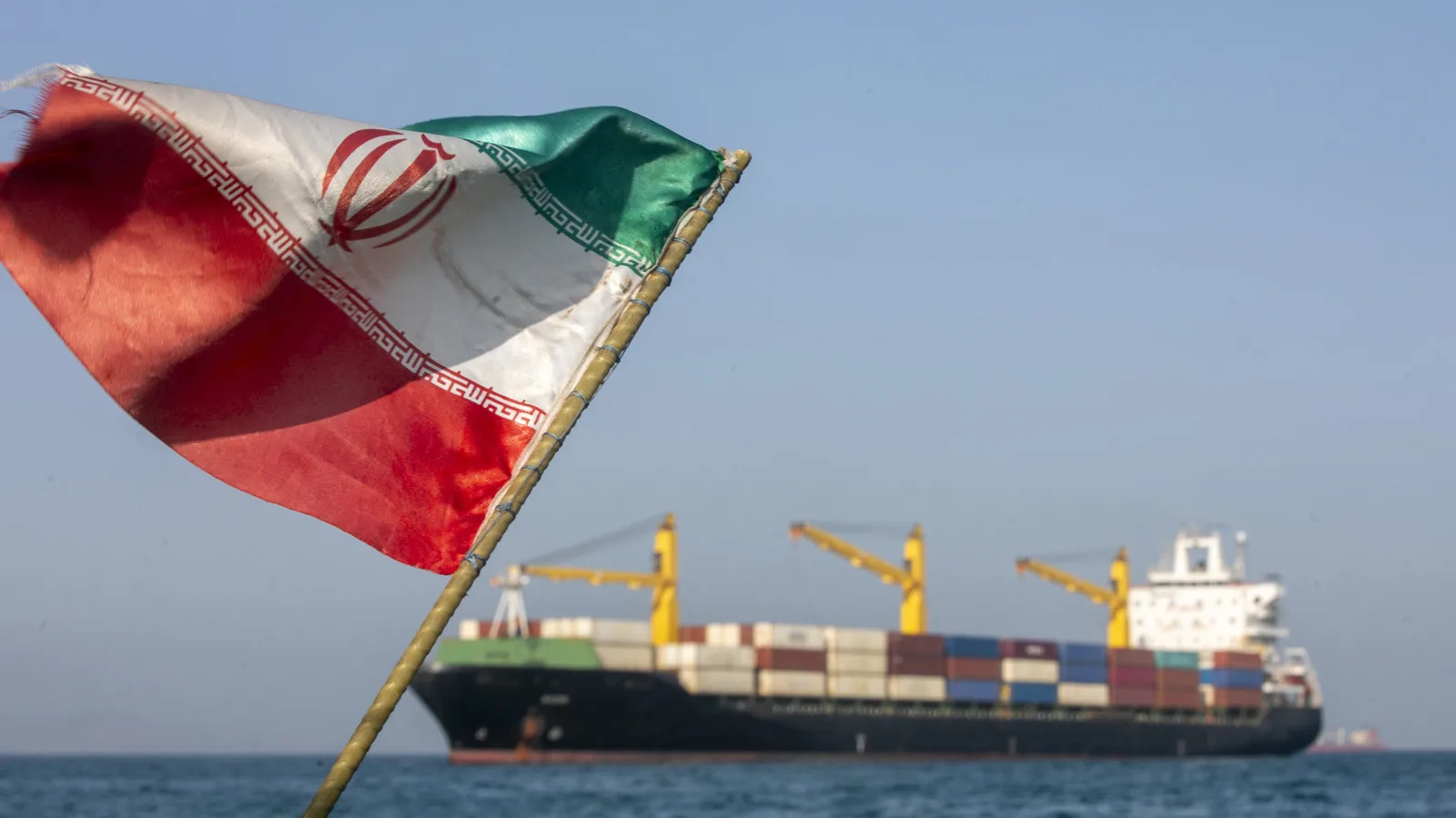
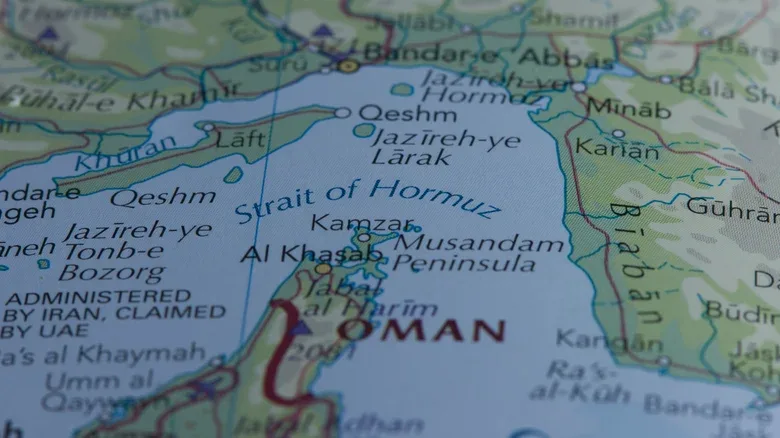
Iran has announced it will no longer charge tolls for ships transiting the Strait of Hormuz but will instead impose “fees”—a move framed as a shift from outright tolls to a Ticketmaster-style monetization of one of the world’s most critical oil chokepoints. The announcement follows international backlash over Iran’s earlier plan to levy mandatory tolls on cargo ships, which violated long-standing principles of free navigation enshrined in international maritime law.
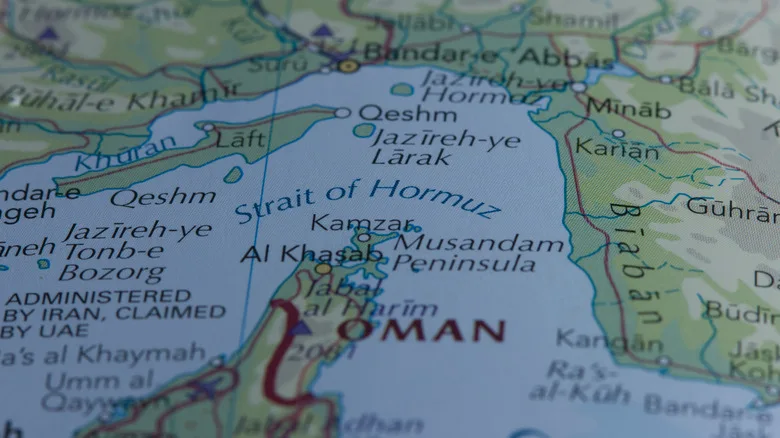
The United States and European nations have expressed concerns, with U.S. negotiators reportedly reviewing a proposal from Oman that suggests charging “voluntary fees” to skirt legal challenges while still generating revenue for both Oman and Iran. However, the distinction between voluntary and mandatory remains murky: Iranian officials insist the payments will be obligatory, while diplomats claim they are voluntary.
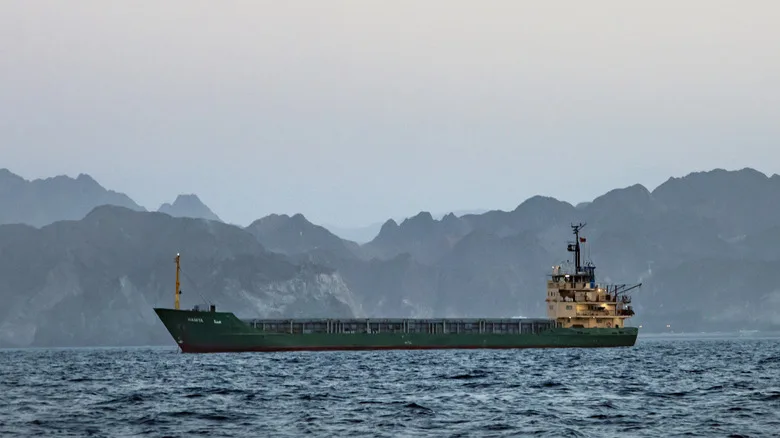
The ambiguity has raised questions about enforcement—whether ships refusing to pay could face delays, bureaucratic hurdles, or outright denial of passage. The Strait of Hormuz, through which roughly 20% of the world’s oil passes, has become a flashpoint amid regional tensions.
Iran’s leadership, now reportedly more hardline, has made clear its intent to monetize control of the strait, regardless of international objections. Oman’s involvement in brokering a deal with Iran offers it a seat at the table, reducing its vulnerability to unilateral Iranian actions.
Analysts suggest Oman’s motivation extends beyond revenue, aiming to maintain regional stability and keep Iran engaged in diplomatic processes. European diplomats, though displeased, have shifted focus to ensuring any fee system complies with international law, potentially accepting a voluntary framework as a legal workaround.
Saudi Arabia, however, has emerged as the most vocal opponent, demanding a return to the pre-war status quo and rejecting any novel financial arrangements imposed by the conflict. The debate over “voluntary fees” mirrors broader geopolitical tensions, with critics questioning whether the term is a semantic sleight of hand to legitimize de facto tolls.
Experts like H.A. Hellyer of the Royal United Services Institute argue that the shift from open navigation to a fee-based system is a direct consequence of the conflict, placing the burden on Washington for initiating an ill-advised war.
The evolving situation underscores the fragility of global oil supply chains and the precarious balance of power in the Persian Gulf, where economic leverage and military posturing increasingly intersect.
📱 Follow our Telegram channel for daily updates
Source: Jalopnik (Auto Culture & Tuning) (jalopnik.com)