🔔 Read us on Telegram — don’t miss the latest automotive news → t.me/motorhub_en
Replacing worn suspension bushings is a critical maintenance task that keeps ride quality smooth, steering responsive, and driving safe. When bushings degrade, expect clunking noises and a rougher ride—clear signs your suspension needs attention.
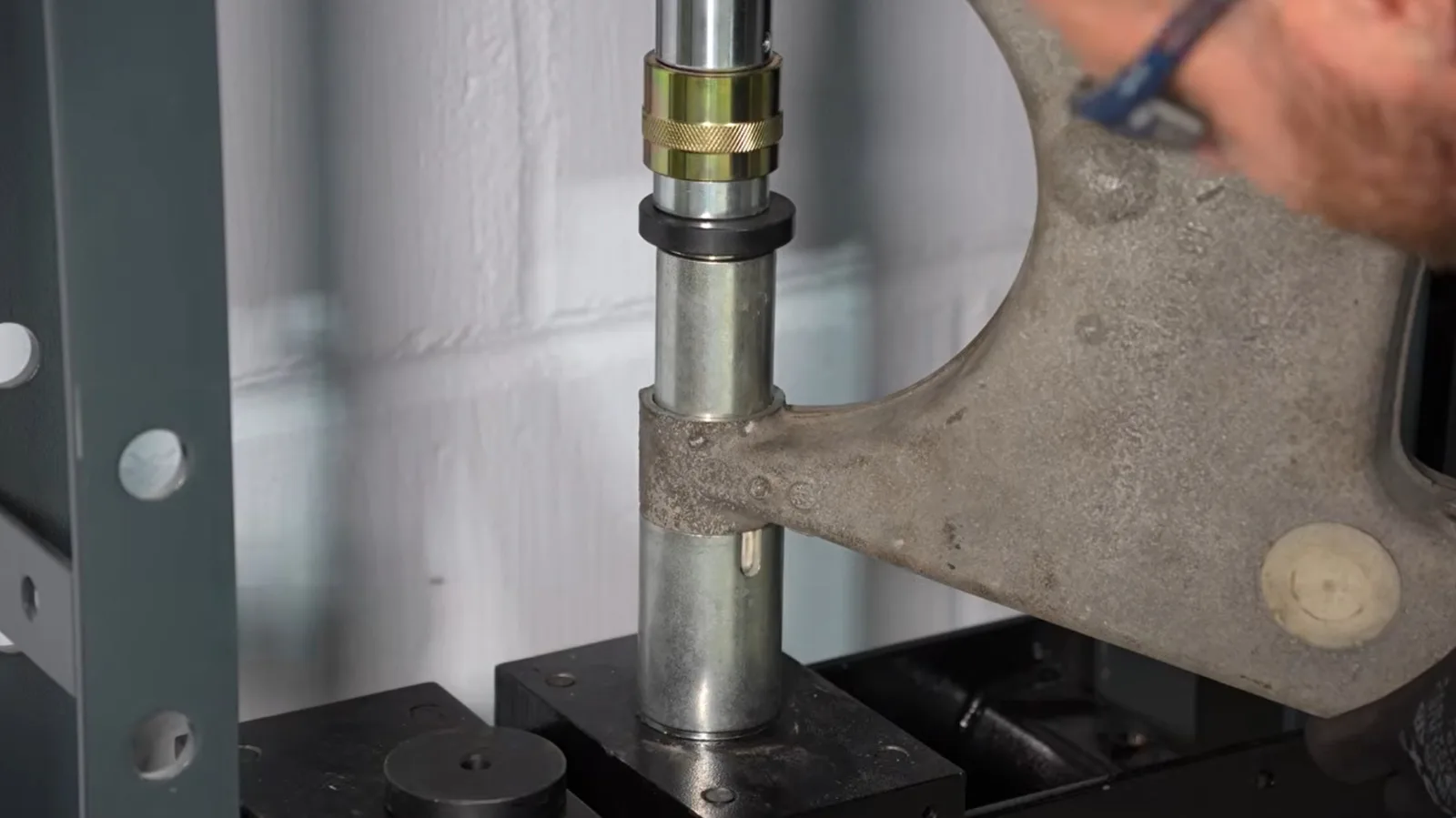
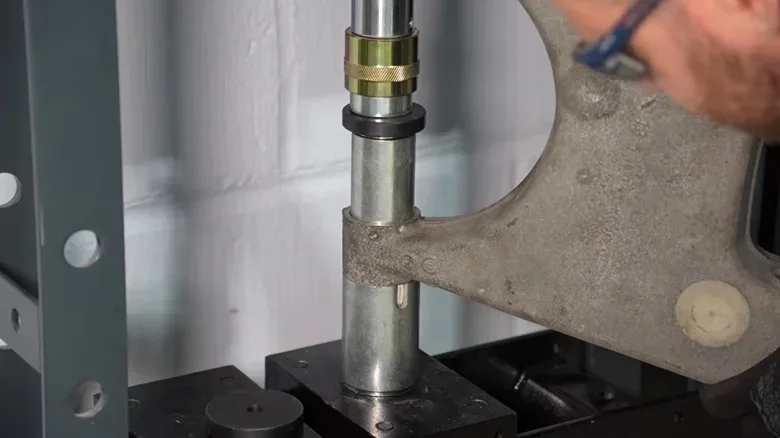
While a hydraulic shop press makes the job straightforward, DIYers can tackle it without one using alternative methods, but each carries risks. One popular approach is the cup-and-threaded-rod method.
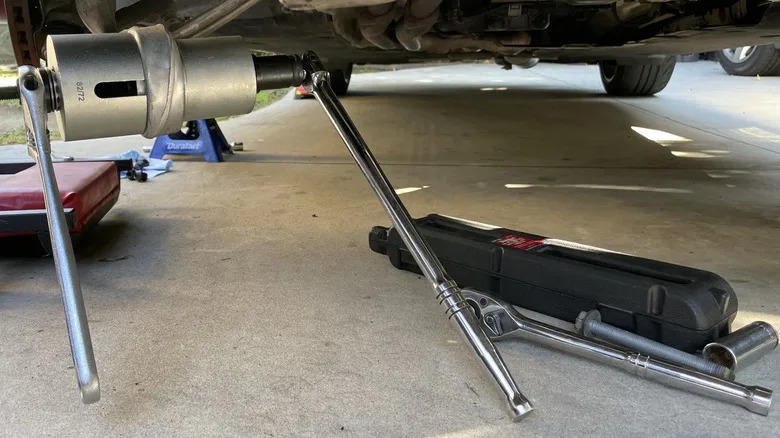
It uses two cups: one smaller than the bushing’s outer diameter to push it out, and one larger to pull it through from the opposite side. YouTubers like M539 Restorations, ChrisFix, and GoGoGarage demonstrate the technique.
Proper alignment is key—misalignment increases effort and can lead to overexertion. Even with leverage, stubborn bushings can be tough to remove, often leaving DIYers with sore hands and arms.
Worse, if the tool slips during tightening, the sudden release of force can be dangerous. Always wear protective gloves and eyewear.
Another risky method is heat. Burning out the rubber bushing with a torch melts it for easier removal, but molten rubber or fluid-filled bushings can cause severe burns.
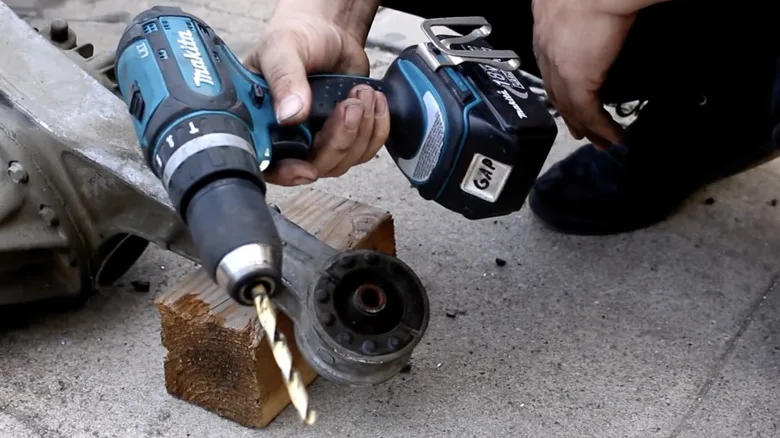
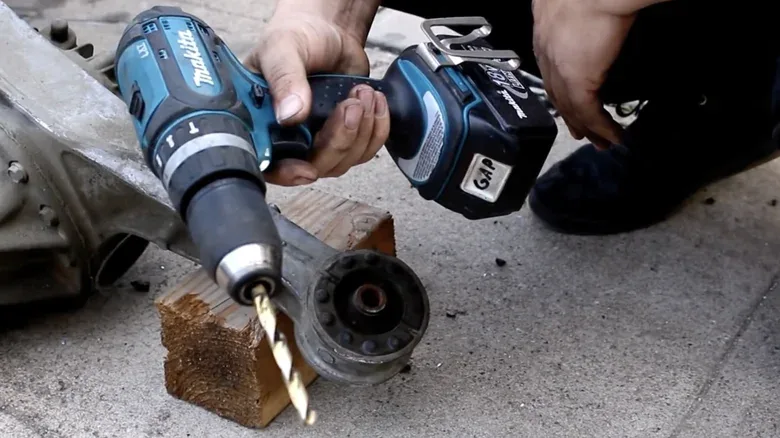
Drilling is also an option, but a spinning bit can slip and injure you, or damage the mounting point or bushing shell. Even a hammer or saw can deform the mounting area, making installation harder and potentially forcing you to keep the old shell in place—if the new bushing design allows it.
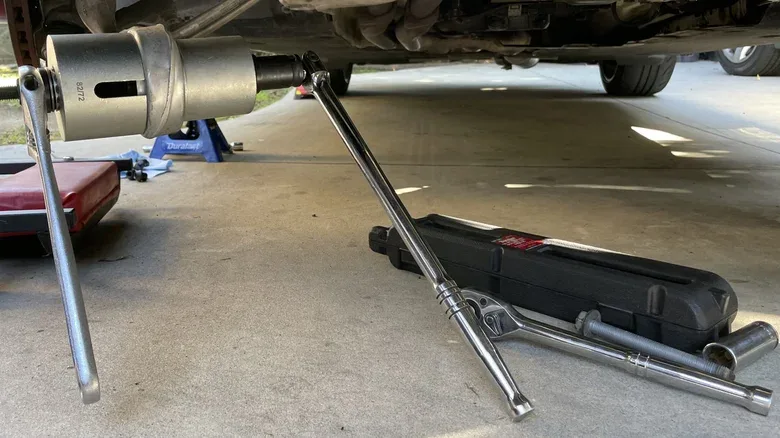
Each method—cups, fire, or drill—comes with trade-offs: physical strain, burns, cuts, or component damage. If the risks feel too high, a hydraulic press remains the safest, most reliable tool for the job.
Skipping it might save time upfront, but it can turn a simple bushing swap into a painful, costly, and dangerous project.
📱 Follow our Telegram channel for daily updates
Source: Jalopnik (Auto Culture & Tuning) (jalopnik.com)