🔔 Read us on Telegram — don’t miss the latest automotive news → t.me/motorhub_en
When shopping for a new EV, warranty coverage can be a dealmaker—or a dealbreaker. Tesla and Rivian, two of the most prominent U.S. electric-vehicle brands, both offer robust warranty packages, but the fine print matters just as much as the headline numbers. Here’s how their coverage compares, and what could leave you stranded if you’re not careful.
Both automakers provide a Basic Limited Warranty that lasts 4 years or 50,000 miles, whichever comes first. Rivian adds a notable exception for 2022–2024 R1 models equipped with the Quad-motor powertrain and large battery, extending coverage to 5 years or 60,000 miles. These warranties cover repairs or replacements of defective parts, but exclusions are broad: environmental damage, “acts of god” (think floods, hail, or even bird droppings), crashes, modifications, or driving into the sea can void your coverage.
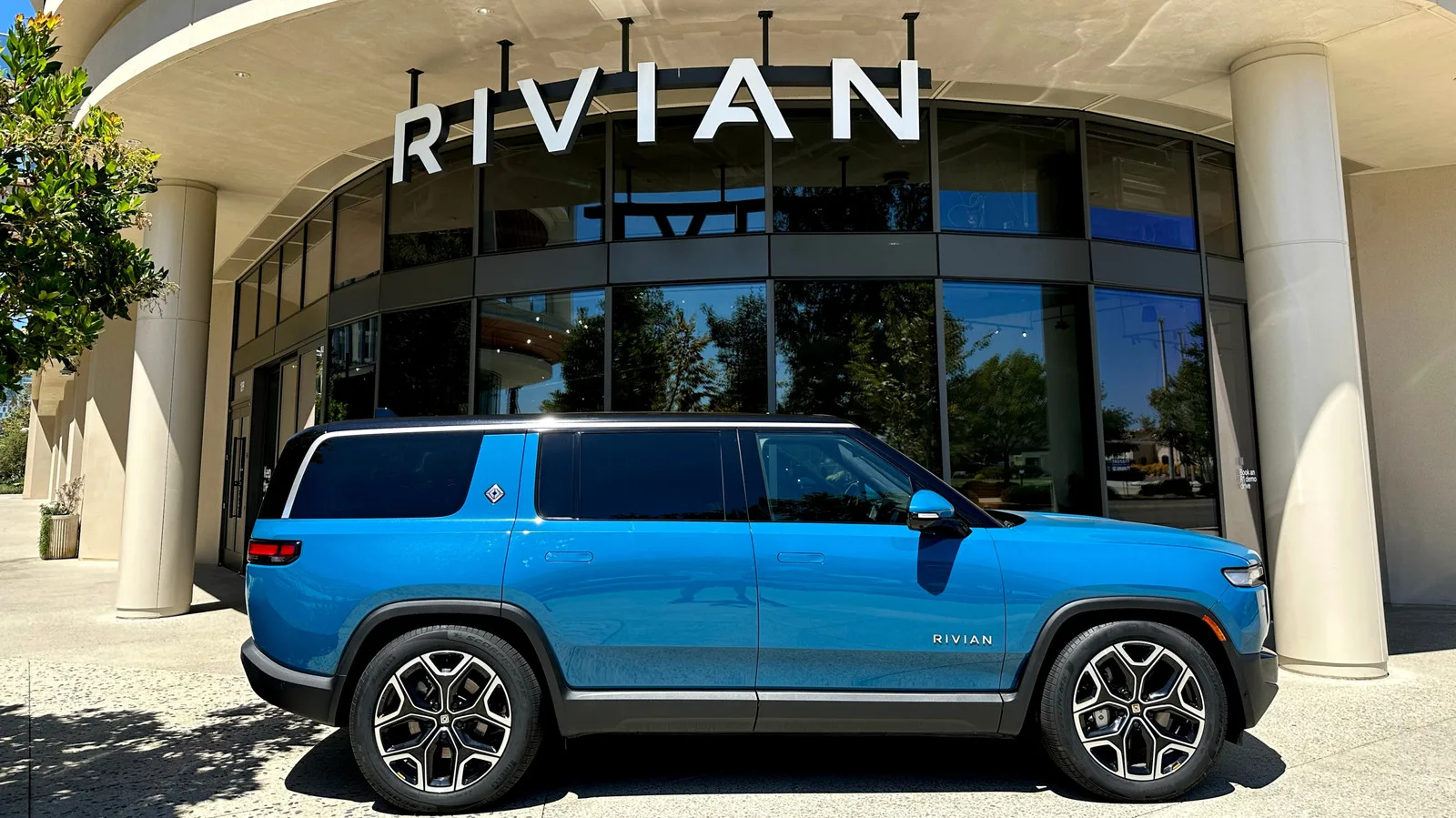
Rivian throws in an extra layer with its 1-year/12,000-mile Adjustment Warranty, which explicitly covers wheel alignment, tire balancing, and brake pad/lining replacements—services Tesla explicitly excludes from its warranty. For safety systems, Rivian’s 8-year/100,000-mile SRS warranty (airbags and seatbelts) outlasts Tesla’s 5-year/60,000-mile offering. On corrosion, however, Tesla’s 12-year/unlimited-mile warranty trumps Rivian’s 8-year/unlimited-mile package.
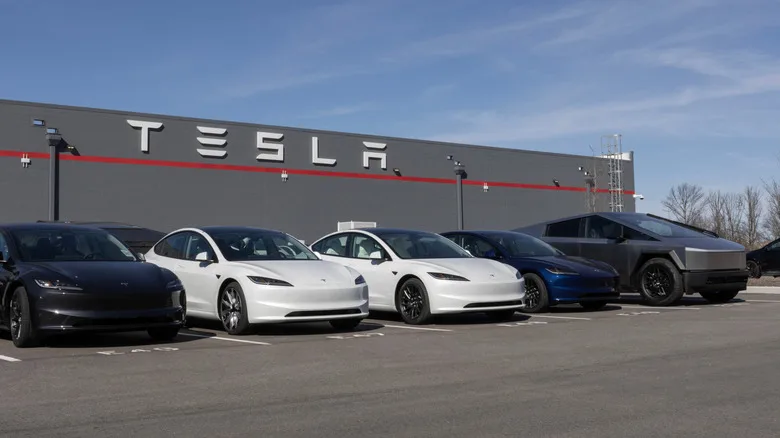
Battery and drivetrain warranties are where the two brands align most closely. Both guarantee that battery capacity won’t dip below 70% during the warranty period, and both cover these components for 8 years. Mileage limits vary: Rivian’s range from 120,000 to 175,000 miles depending on the model, year, and configuration, while Tesla’s cover Model 3 and Y up to 120,000 miles and Model S, X, and Cybertruck up to 150,000 miles. Crucially, replacements under these warranties won’t reset the clock—the new battery only needs to meet the 70% capacity threshold until the original warranty expires, and it could be new, remanufactured, or refurbished.
Both brands also comply with California’s Zero-Emission Vehicle (ZEV) warranty requirements, which extend coverage to certain propulsion components not included in standard warranties. Rivian’s R2 warranty guide explicitly references ZEV coverage, though the R1’s guide lacks a dedicated section. Tesla applies its ZEV Limited Warranty to all 2026 and later model-year vehicles, with details available on its website.
Bottom line: Neither warranty is a clear winner. Rivian’s Adjustment Warranty and longer SRS coverage give it an edge in some areas, while Tesla’s corrosion and ZEV warranties for future models provide advantages elsewhere. The real takeaway? Read the fine print—because even the best warranties have gaping loopholes.
📱 Follow our Telegram channel for daily updates
Source: Jalopnik (Auto Culture & Tuning) (jalopnik.com)