🔔 Read us on Telegram — don’t miss the latest automotive news → t.me/motorhub_en
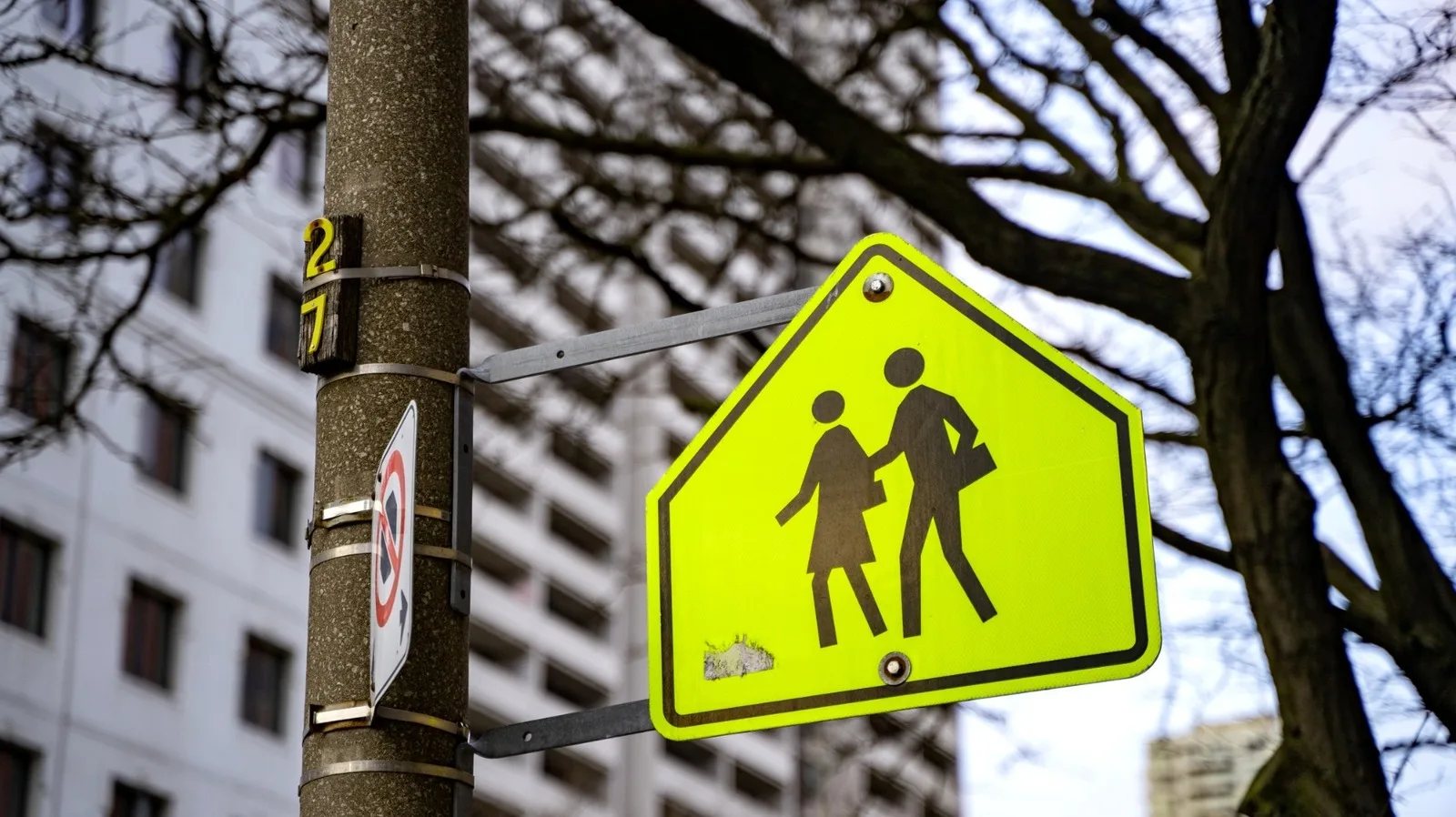
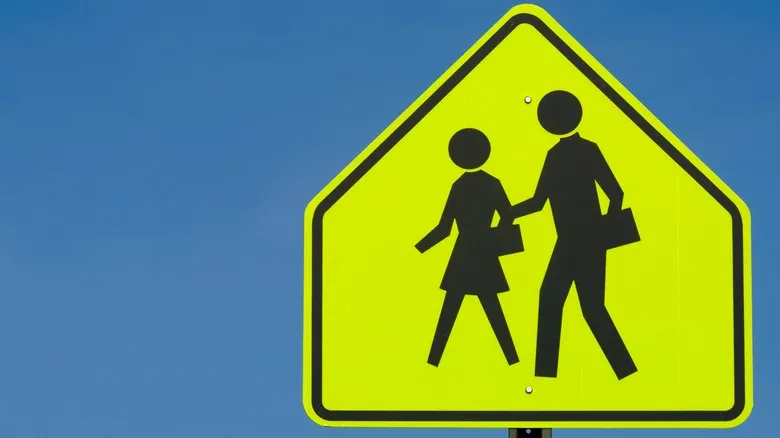
School zone signs scream at drivers with a fluorescent yellow-green (FYG) hue so aggressive it borders on neon. But that’s not just for kicks—there’s a method to the madness. The color isn’t arbitrary; it’s a deliberate safety measure backed by decades of research and federal regulation.
The story starts in 1935 with the Manual on Uniform Traffic Control Devices (MUTCD), which standardized road signage but didn’t yet specify school zone colors. By 1948, the MUTCD’s third edition finally introduced school zone signs, mandating black lettering on a yellow background—hardly the blinding beacon we see today. Those early signs weren’t reflective, weren’t standardized in placement, and vanished after the school year ended, leaving drivers in the dark.
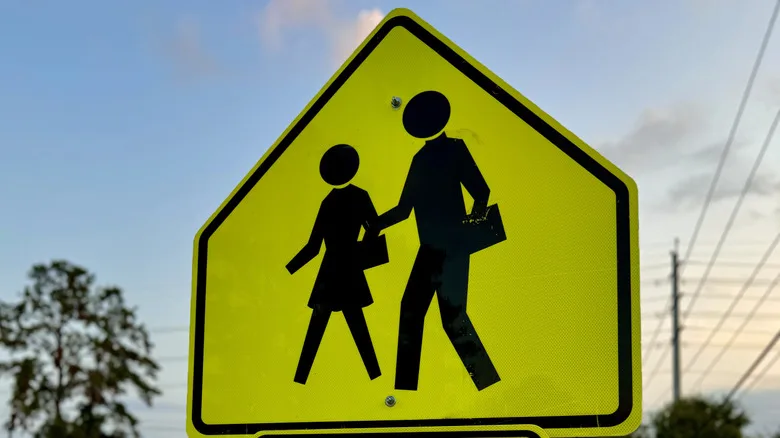
The shift to fluorescent yellow-green didn’t happen until the 1990s, a decade marked by rising pedestrian injuries and fatalities. The Federal Highway Administration (FHWA) turned to FYG, a color previously unused in traffic signage, to tackle the problem head-on. In 1993, the FHWA launched a study to test FYG’s effectiveness.
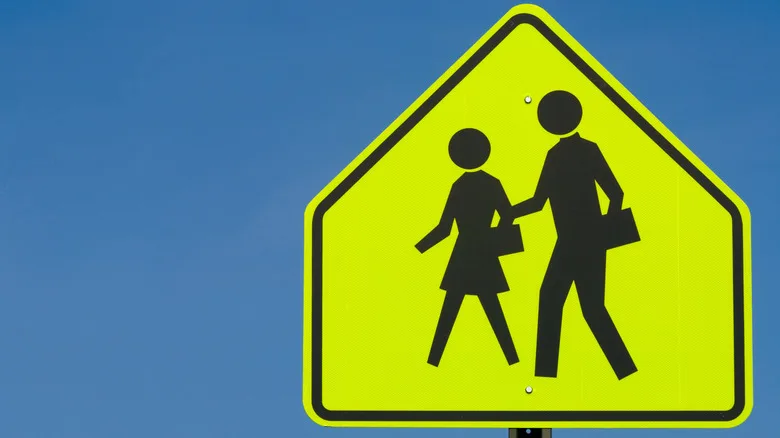
The results were clear: signs in this highlighter-like hue dramatically cut down on vehicle-pedestrian collisions. The color’s superiority came from its ability to stand out against natural backgrounds and remain visible from greater distances than traditional yellow. After rigorous testing across 57 jurisdictions, FYG was crowned the winner.
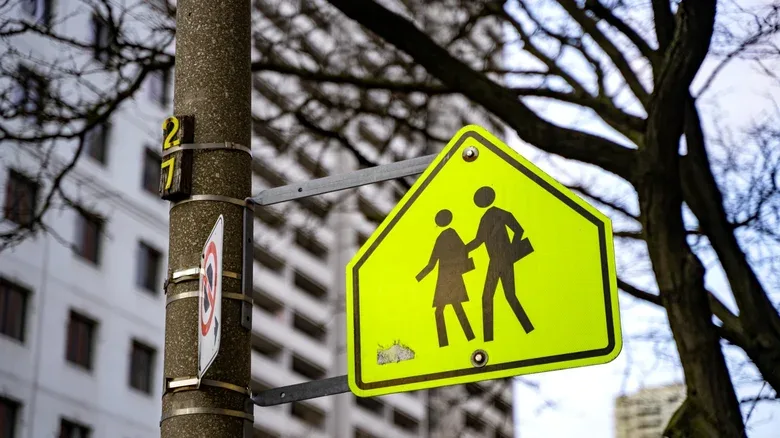
By the 2009 MUTCD update, the color became the mandatory standard for all school warning signs, including speed limits and bus offloading zones. So why not red, orange, or another bright shade? Red is reserved for stop signs and lights, while orange is tied to construction and utility markers.
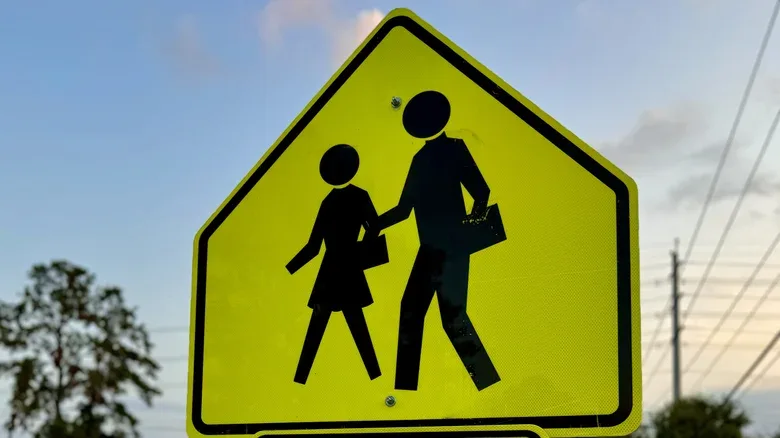
FYG’s unique properties—its unnatural brightness and contrast—make it the ideal choice for grabbing attention in low-light conditions and cluttered urban environments. The takeaway? Next time you squint at a school zone sign, thank the FHWA for making it so aggressively visible. It’s not just about being loud; it’s about saving lives.
📱 Follow our Telegram channel for daily updates
Source: Jalopnik (Auto Culture & Tuning) (jalopnik.com)