🔔 Read us on Telegram — don’t miss the latest automotive news → t.me/motorhub_en
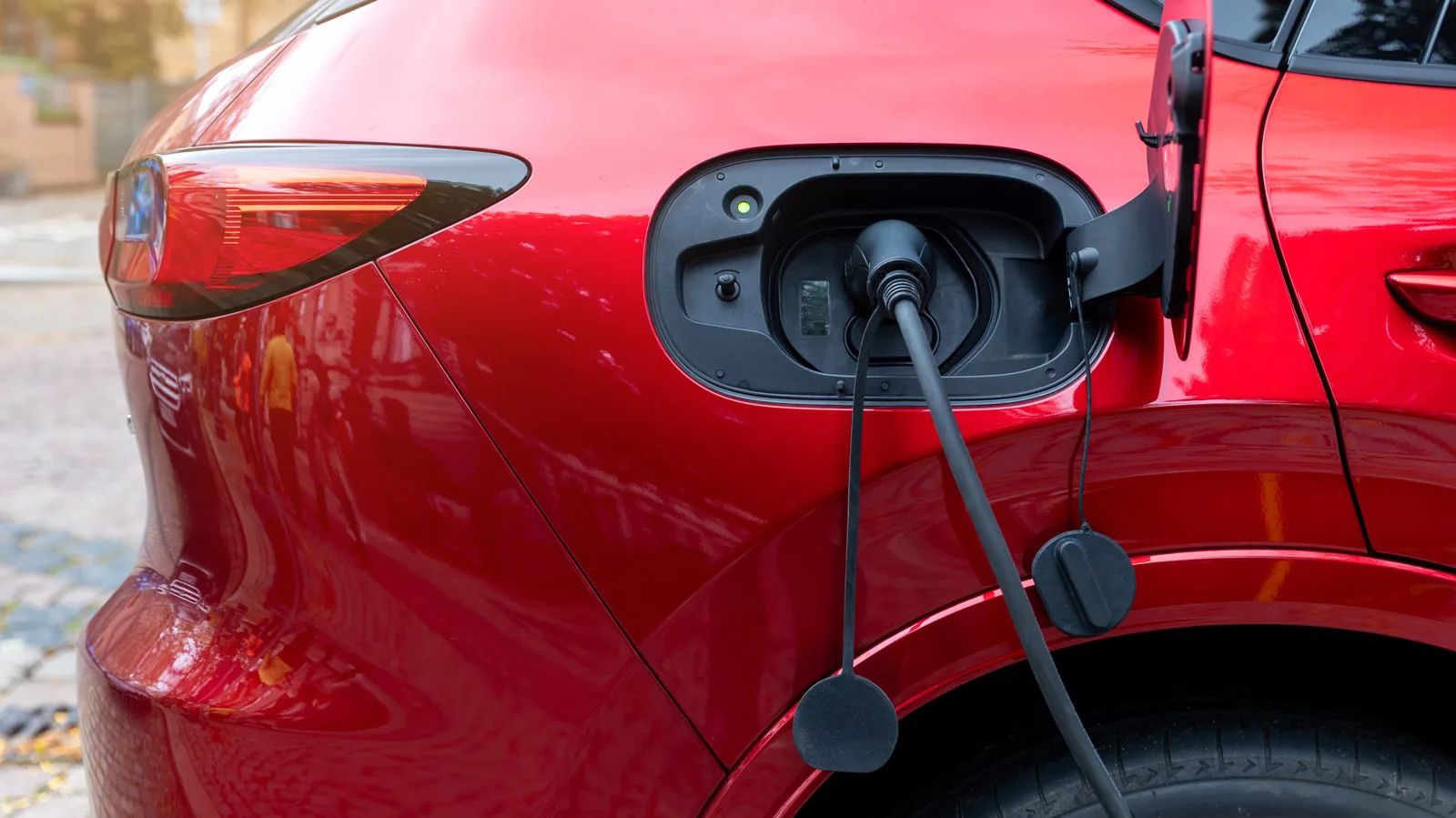
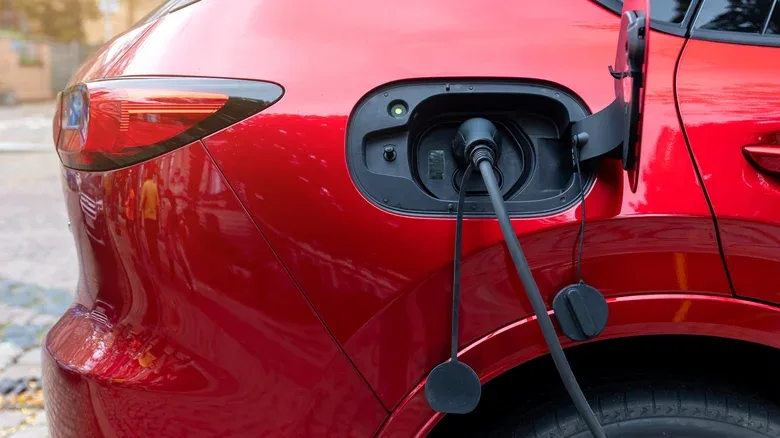
Plug-in hybrids (PHEVs) were supposed to offer the best of both worlds: electric commuting range with the flexibility of a gas engine for longer trips. But Consumer Reports’ latest reliability data suggests that the added complexity of combining batteries, electric motors, charging hardware, and internal combustion engines—plus the software to tie it all together—has created a reliability nightmare. Traditional hybrids (no plug) actually have 15% fewer reported issues than gas-only cars, while fully electric vehicles and plug-in hybrids together suffer 80% more problems. The issue isn’t hybridization itself; it’s the extra layers of tech required for plug-in capability.
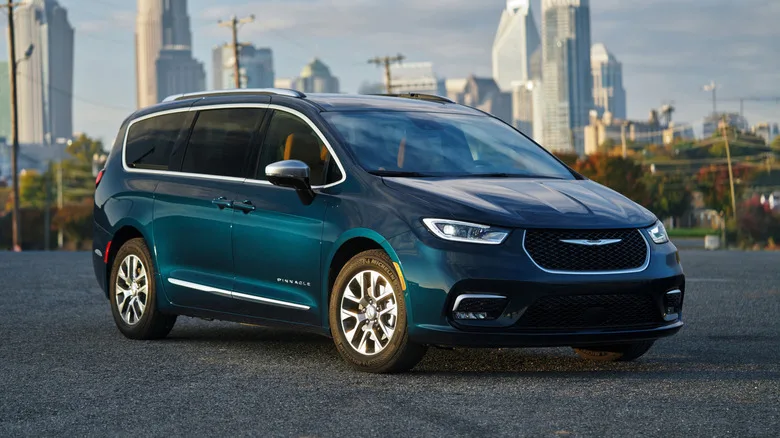
Less than six months after Consumer Reports published its “Least Reliable Plug-In Hybrids of 2026” list, three of the models on it have already been discontinued: the Jeep Wrangler 4xe, Jeep Grand Cherokee 4xe, and Chrysler Pacifica Hybrid. The remaining entries are still on sale, but their futures look shaky as automakers and regulators scrutinize PHEV safety and reliability.
The Jeep Wrangler 4xe, once marketed as the brand’s flagship electrified off-roader, became a poster child for PHEV reliability woes. Owners faced recalls over manufacturing defects (sand in the engine), software glitches that bricked vehicles during over-the-air updates, and a fire risk so severe that Stellantis (Jeep’s parent company) advised owners to park outside and avoid charging. Stellantis blamed the discontinuation on shifting consumer demand, though it’s hard to ignore the role of repeated safety scandals. The Wrangler 4xe’s demise leaves the gas-powered Wrangler as the sole electrified option—if you’re willing to skip the plug.
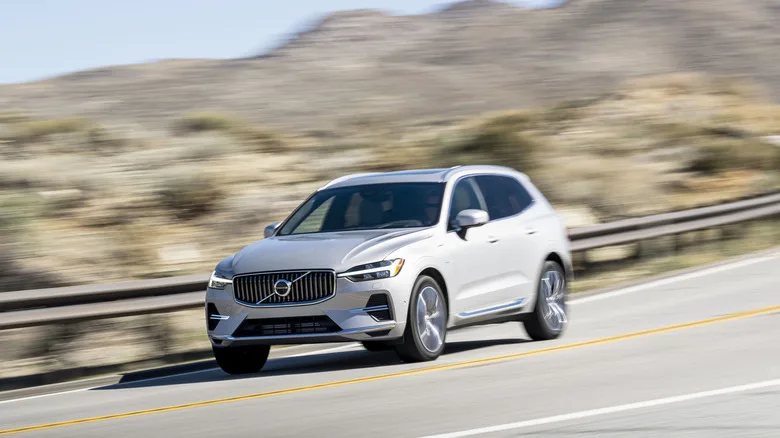
The Jeep Grand Cherokee 4xe suffered from many of the same reliability issues as its Wrangler sibling but in a more upscale package aimed at suburban families. Intended to bring refined electrified capability to the Grand Cherokee lineup, the 4xe instead became another cautionary tale. Like the Wrangler, it was plagued by recalls, software failures, and fire risks, leading Jeep to pull the plug (literally) on the model. The discontinuation clears the way for gas-powered variants like the Laredo, Limited, and Summit trims, none of which carry the 4xe’s baggage.
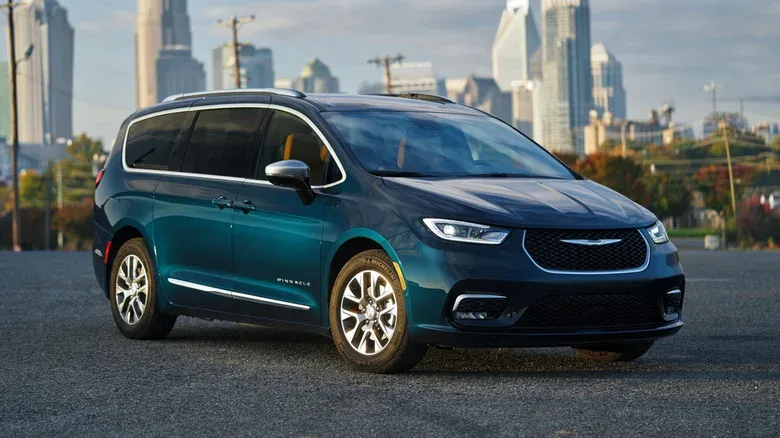
The Chrysler Pacifica Hybrid, the only minivan on the list, had the most practical pitch: three rows of seating, sliding doors, and enough electric range for daily errands without burning gas. But its reputation was torpedoed by two massive recalls. In 2024, Stellantis recalled about 24,000 Pacifica Hybrids globally over fire risks linked to the battery pack. A 2026 recall expanded the issue to over 17,000 2020–2022 models due to a high-voltage battery defect capable of causing “thermal runaway”—a condition where the battery overheats and catches fire, even when the vehicle is off. For a vehicle marketed as the sensible choice for family life, the fire risk made it anything but.
The rapid discontinuations of these three PHEVs underscore a harsh truth: plug-in hybrids may be the worst of both worlds in practice. They inherit the complexity of EVs (batteries, electric motors, charging systems) without the reliability track record or the charging infrastructure that makes full EVs viable. Traditional hybrids, which lack a plug, avoid many of these pitfalls and continue to perform reliably. For automakers, the lesson is clear: if you’re going to electrify, do it right—or don’t do it at all.
📱 Follow our Telegram channel for daily updates
Source: Jalopnik (Auto Culture & Tuning) (jalopnik.com)