🔔 Read us on Telegram — don’t miss the latest automotive news → t.me/motorhub_en
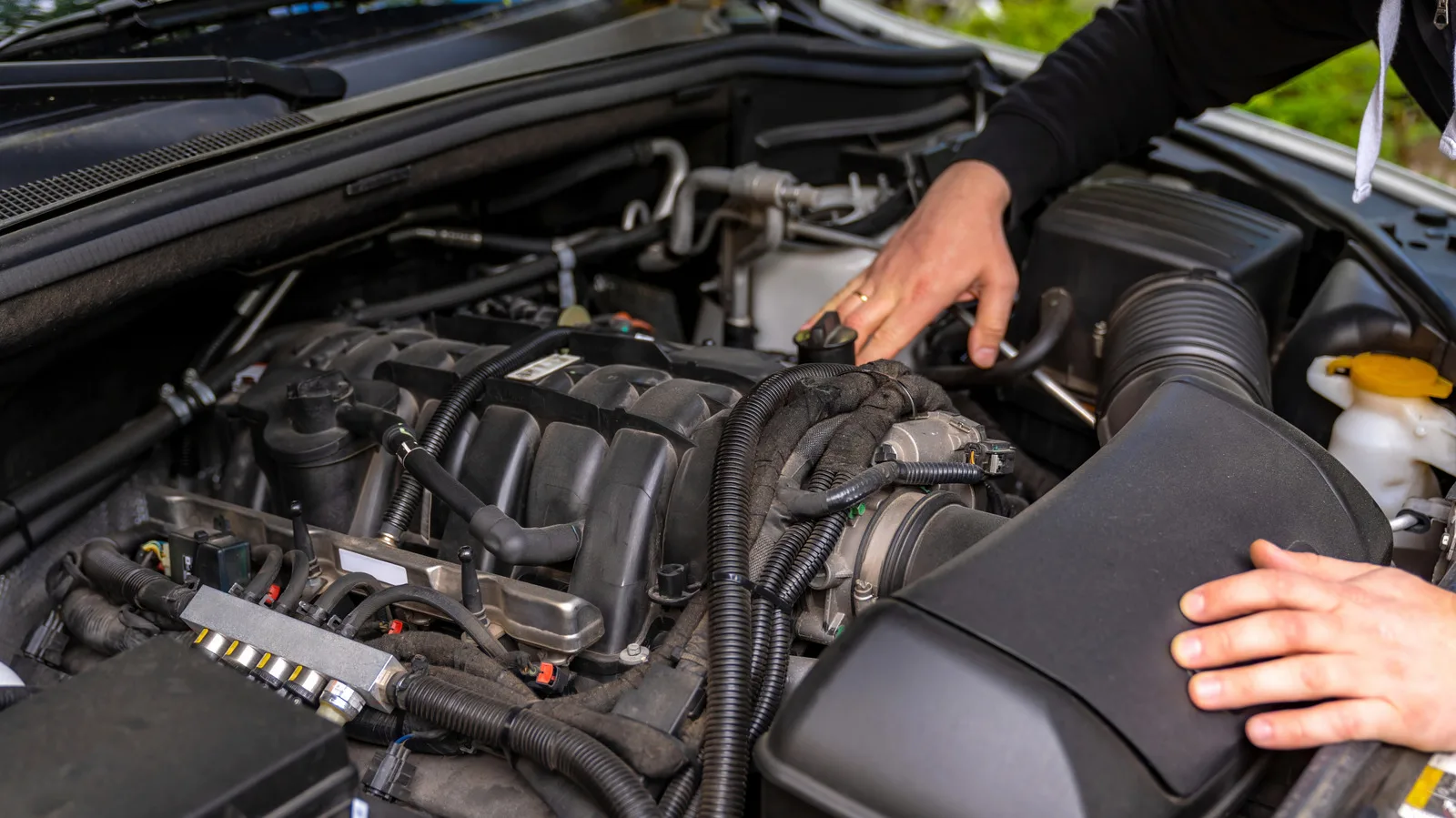
In a car culture obsessed with extracting every last horsepower, the idea of deliberately reducing engine power sounds counterintuitive. Yet detuning—deliberately dialing back an engine’s performance—can deliver tangible benefits in reliability, running costs, and even fuel economy. The logic is simple: every time you ask an engine to work harder, you increase thermal and mechanical stress on its internals. Push it too far, and you risk higher failure rates over time. Conversely, running an engine at a lower stress state can extend its lifespan, cut wear on drivetrain components, and improve day-to-day drivability. It’s not about making a car slow—it’s about making it last longer and behave more calmly on the road.

Detuning works by recalibrating the engine control unit (ECU) to reduce parameters like boost pressure, ignition advance, and fuel delivery. This can be done through ECU remapping or chip tuning. While most enthusiasts use these tools to squeeze out more power, the same techniques can be flipped to dial things back. Lower boost means lower cylinder pressures, which reduces stress on pistons, rods, and bearings. A leaner fuel map during cruising can improve fuel efficiency by cutting unnecessary fuel burn. And smoothing out torque delivery eases the load on the transmission, differential, and driveshafts—especially in high-torque applications.

Car makers have long used detuning as a tool. Volkswagen’s 2.0-liter turboch4 (EA888) powers the Golf GTI at 241 HP and the Golf R at 315 HP—same engine, different tunes. BMW did the same with the S58 in the M3 CS Handschalter, dropping output from 543 HP to 473 HP because the six-speed manual couldn’t handle the extra torque. Even in the ultra-exclusive Mercedes-AMG One, the Formula 1-derived 1.6-liter V6 is detuned from around 870 HP and 15,000 rpm in race spec down to 533 HP and 11,000 rpm for road use—engineers prioritized durability over peak performance.

So should you detune your own car? It depends. If you’re chasing longevity, smoother daily driving, or better fuel economy, recalibrating the ECU to a gentler tune could be worth it. Just remember: any change to the engine’s calibration alters its character—and once you go down this path, you’re trading raw performance for peace of mind.

📱 Follow our Telegram channel for daily updates
Source: Jalopnik (Auto Culture & Tuning) (jalopnik.com)