🔔 Read us on Telegram — don’t miss the latest automotive news → t.me/motorhub_en
For car enthusiasts and DIYers, the garage is more than just a storage space—it’s a workshop, a sanctuary, and often the heart of a home’s mechanical life. Whether it’s a bare-bones setup with four walls and a roof or a fully kitted-out workshop with workbenches, lighting, and tool storage, the garage deserves attention. One of the most impactful and cost-effective upgrades you can make is sealing the concrete floor. It’s a project many tackle over a weekend, but it’s not as simple as slapping on a coat of sealer and calling it a day. The type of sealer, the condition of the concrete, how you use the space, and your budget all determine whether sealing is the right move. Here’s what you need to know before rolling up your sleeves.
**Protection and durability**
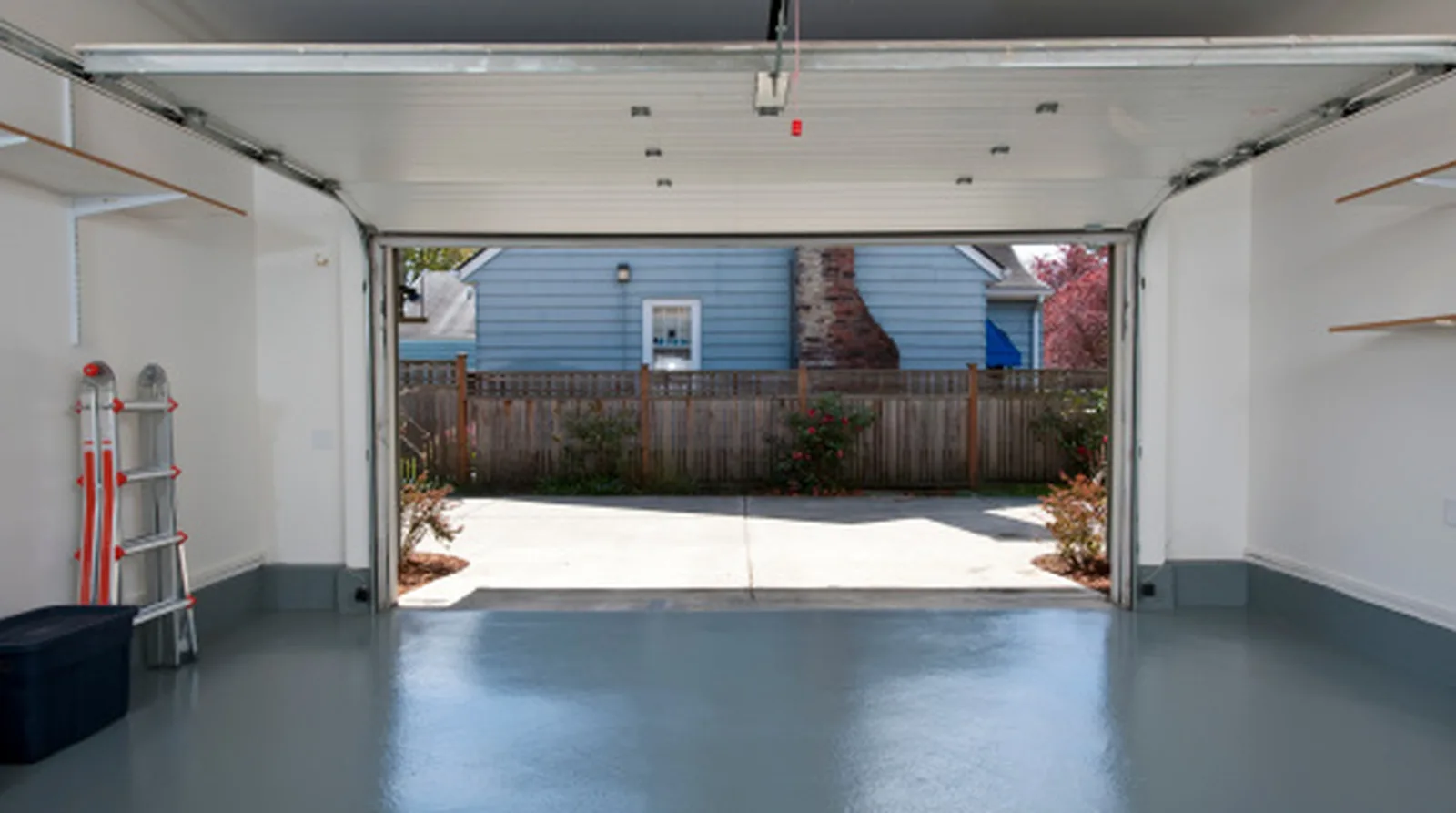
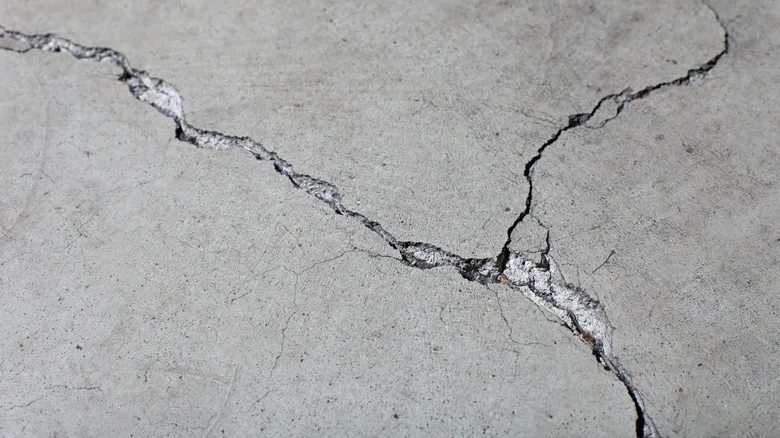
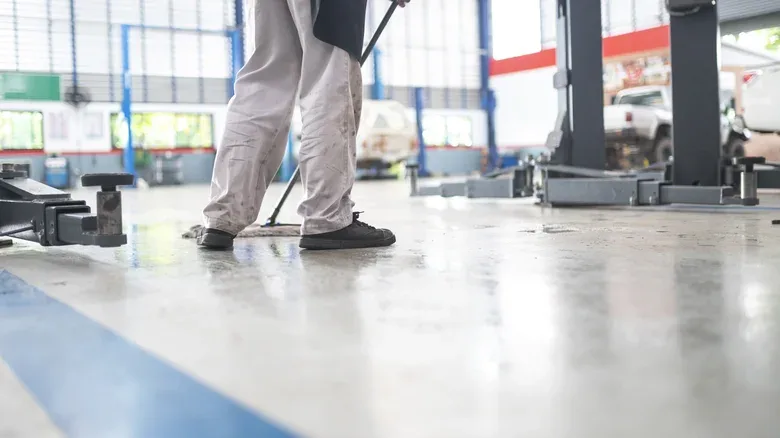
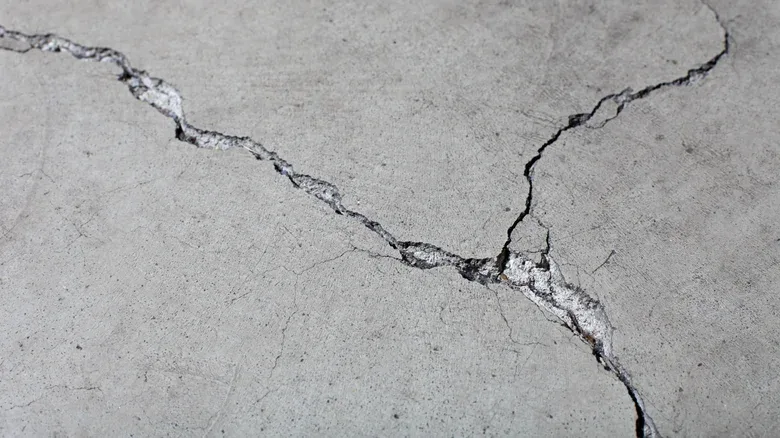
Unsealed concrete floors are vulnerable to oil, moisture, chemicals, and road salt, all of which can cause stains, cracks, and long-term deterioration. Sealing the floor acts as a barrier, keeping damaging elements out and helping the surface withstand years of abuse. Acrylic sealants are a popular choice for car garages because they sit on the surface, making spills easy to wipe away before they soak in. Epoxy sealants, on the other hand, bond with the concrete to create a thicker, more durable layer—ideal for garages with heavy foot traffic or where tools and equipment are frequently dropped. A Jalopnik editor who coated his own garage floor with epoxy found that cleaning up oil spills became significantly easier after the treatment. While untreated concrete can last 50 to 100 years, proper sealing extends its lifespan by protecting it from the elements and daily wear.
**Aesthetics and reflection**
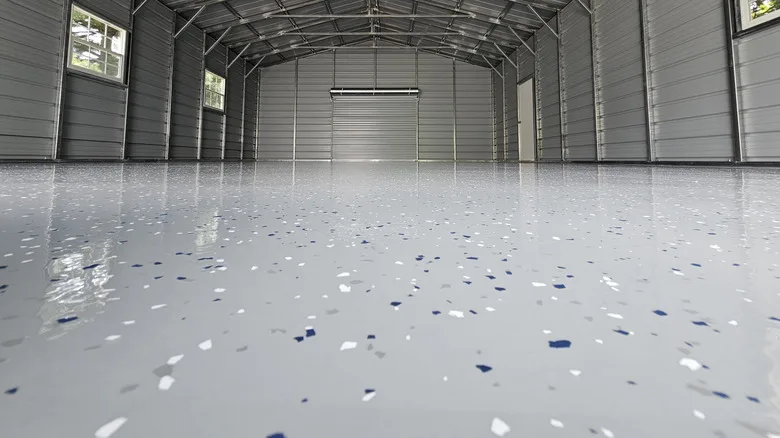
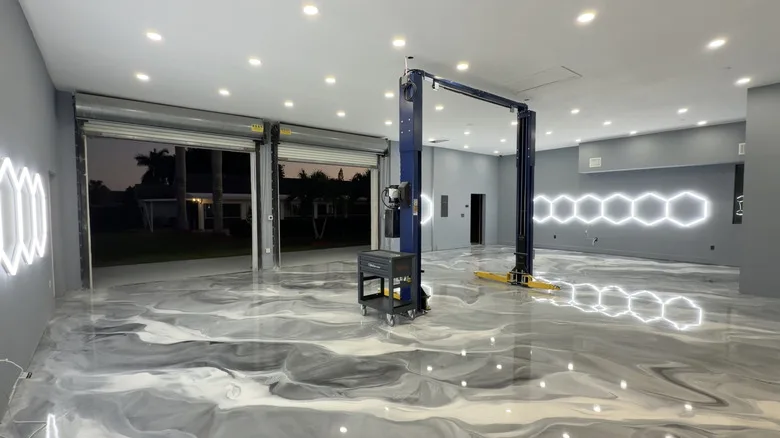
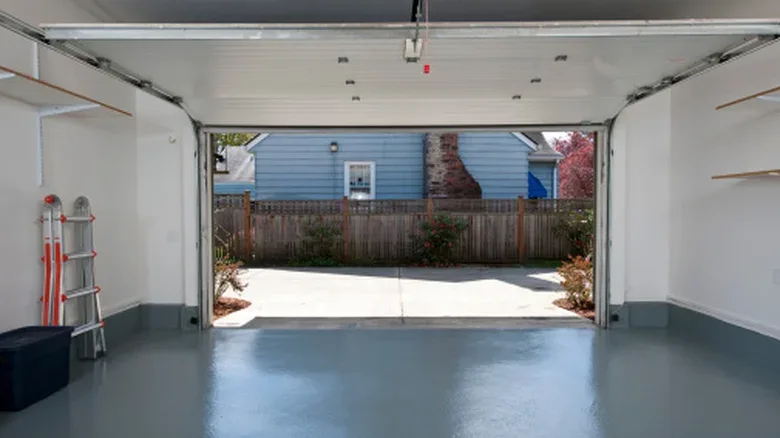
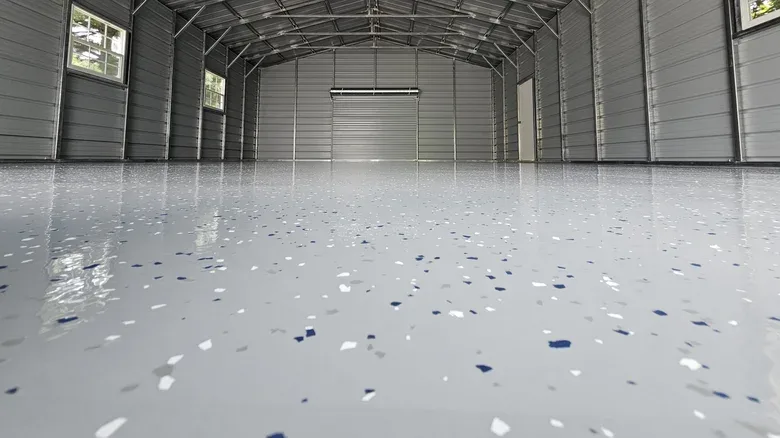
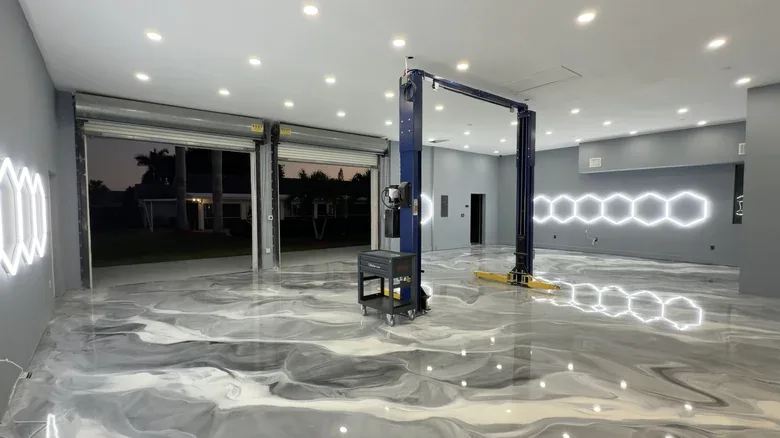
Beyond protection, sealing transforms the look of a garage. Bare concrete is functional but dull—grey, lifeless, and prone to looking dirty even when it’s clean. A sealant can change that. Clear coatings darken the floor slightly and come in glossy or matte finishes for a subtle upgrade. For a bolder look, colored epoxy or polyurea coatings offer endless customization, from solid colors to multi-colored flakes and intricate patterns. These coatings also enhance lighting by reflecting light around the space, making the garage brighter and more inviting. Glossy finishes, in particular, create a showroom-like shine, and many coatings allow spills to be wiped away without leaving permanent stains. If your concrete is already stained or colored, a sealant will preserve the hue over time.
**Maintenance and cost**
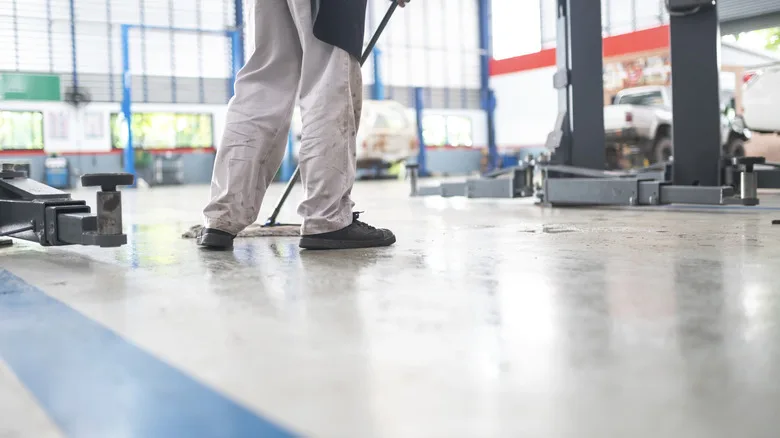
Sealing isn’t a one-and-done project. Acrylic sealers typically need reapplication every 1 to 3 years, depending on wear and tear. Hot rubber, vehicle weight, dropped tools, and chemical spills can shorten that window even further. The bigger the garage, the more product and labor are required, turning maintenance into an ongoing expense. Epoxy sealants last longer—sometimes 20 years or more if applied correctly—but they still require upkeep. Tim Seay, owner of Decorative Concrete of Virginia, notes that solid-colored epoxy floors show dust and dirt easily, adding to cleaning time and costs. Flake finishes can help camouflage debris, but they don’t eliminate the need for regular cleaning.
Safety is another consideration. High-gloss sealed floors become slippery when wet, creating hazards in a space where oil, water, fuel, and condensation are common. Anti-slip additives can mitigate this risk, but they add another layer of complexity to the project. Before sealing, weigh the benefits against the maintenance demands and potential safety trade-offs to decide if it’s the right choice for your garage.
📱 Follow our Telegram channel for daily updates
Source: Jalopnik (Auto Culture & Tuning) (jalopnik.com)